 Español
 Português
 Русский
 العربية
 한국어
한국어
 日本語
日本語
 Français
 Deutsch
 ภาษาไทย

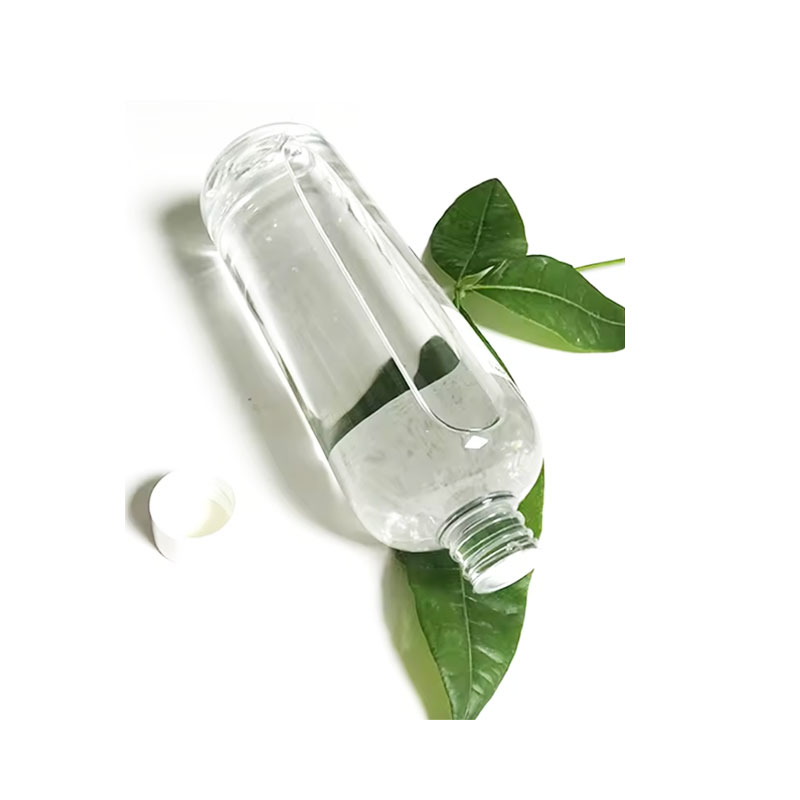
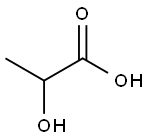
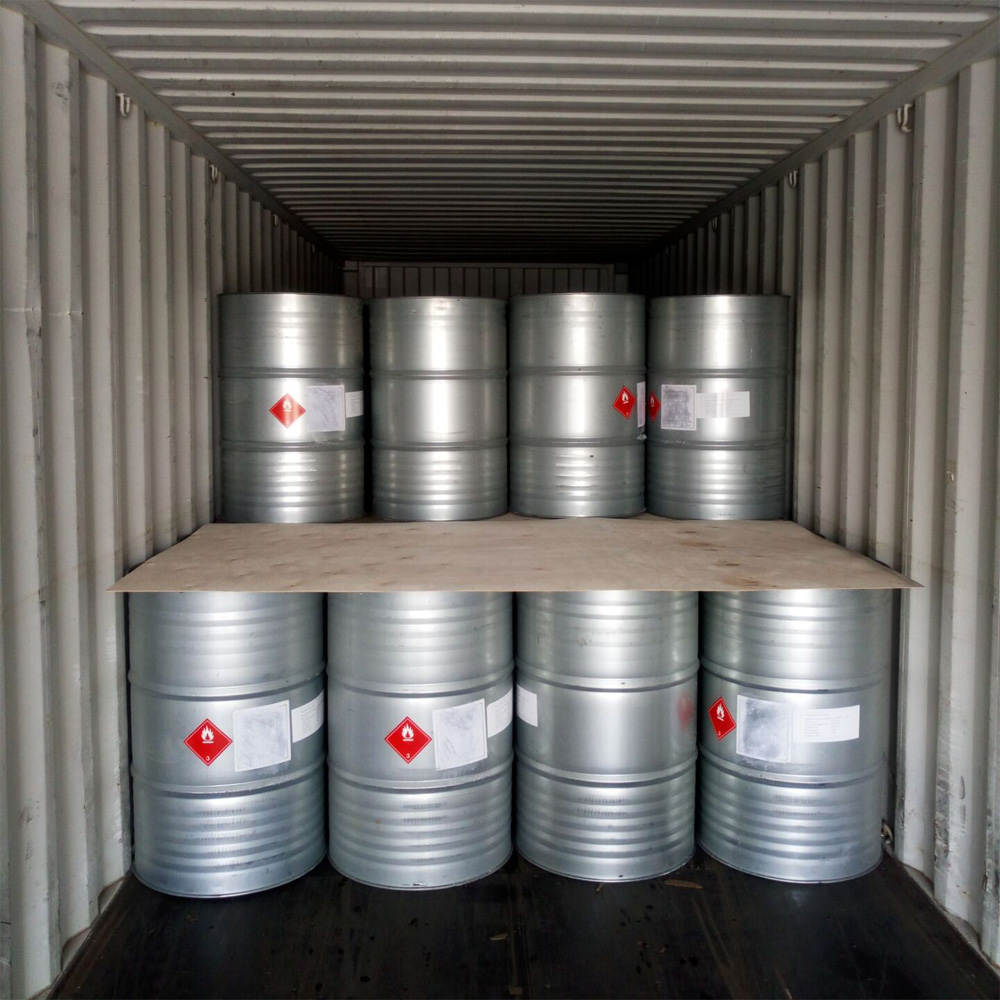
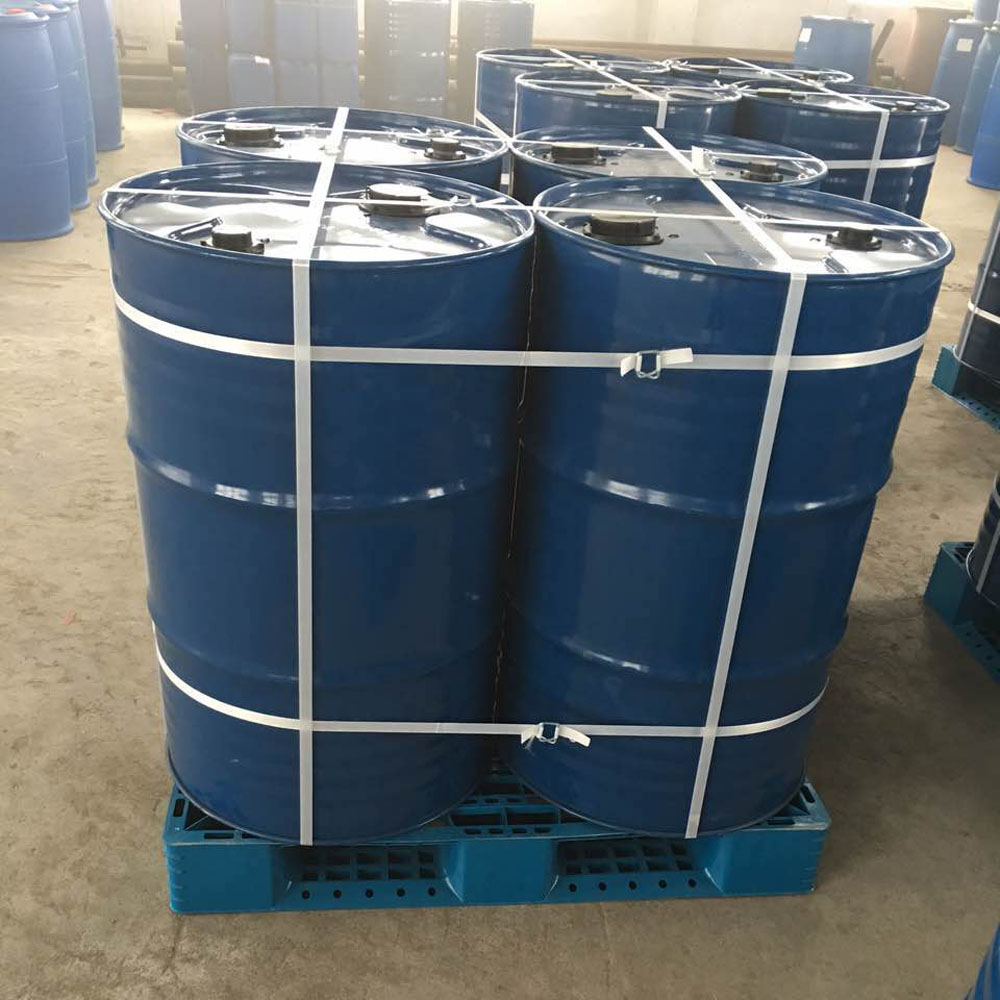
Lactic Acid CAS#50-21-5
CAS: 50-21-5
MF: C3H6O3
MW: 90.08
EINECS: 200-018-0
MOQ (Minimum Order Quantity): 1 FCL (Full Container Load)
Lactic Acid CAS#50-21-5
| Lactic acid Chemical Properties |
| Melting point | 18°C |
| alpha | -0.05 º (c= neat 25 ºC) |
| Boiling point | 122 °C/15 mmHg (lit.) |
| density | 1.209 g/mL at 25 °C (lit.) |
| vapor density | 0.62 (vs air) |
| vapor pressure | 19 mm of Hg (@ 20°C) |
| refractive index | n20/D 1.4262 |
| FEMA | 2611 | LACTIC ACID |
| Fp | >230 °F |
| storage temp. | 2-8°C |
| solubility | Miscible with water and with ethanol (96 per cent). |
| pka | 3.08(at 100℃) |
| form | syrup |
| color | Colorless to yellow |
| Specific Gravity | 1.209 |
| PH | 3.51(1 mM solution);2.96(10 mM solution);2.44(100 mM solution); |
| Odor | at 100.00 %. odorless |
| Odor Type | odorless |
| Water Solubility | SOLUBLE |
| Merck | 14,5336 |
| JECFA Number | 930 |
| BRN | 1209341 |
| Henry's Law Constant | 1.2×10² mol/(m3Pa) at 25℃, Duchowicz et al. (2020) |
| Dielectric constant | 22.0(16℃) |
| Stability: | Stable. Combustible. Incompatible with strong oxidizing agents. |
| Cosmetics Ingredients Functions | SKIN CONDITIONING HUMECTANT BUFFERING |
| Cosmetic Ingredient Review (CIR) | Lactic acid (50-21-5) |
| InChI | 1S/C3H6O3/c1-2(4)3(5)6/h2,4H,1H3,(H,5,6) |
| InChIKey | JVTAAEKCZFNVCJ-UHFFFAOYSA-N |
| SMILES | CC(O)C(O)=O |
| LogP | -0.72 |
| CAS DataBase Reference | 50-21-5(CAS DataBase Reference) |
| NIST Chemistry Reference | Propanoic acid, 2-hydroxy-(50-21-5) |
| EPA Substance Registry System | Lactic acid (50-21-5) |
| Safety Information |
| Hazard Codes | Xi,C |
| Risk Statements | 38-41-34-37/38 |
| Safety Statements | 26-39-45-36/37/39 |
| RIDADR | 3265 |
| WGK Germany | 2 |
| RTECS | OD2800000 |
| F | 3 |
| TSCA | TSCA listed |
| HazardClass | 8 |
| PackingGroup | III |
| HS Code | 29181100 |
| Storage Class | 8A - Combustible corrosive hazardous materials |
| Hazard Classifications | Eye Dam. 1 Skin Corr. 1C |
| Hazardous Substances Data | 50-21-5(Hazardous Substances Data) |
Product Application of CAS#50-21-5
lactic acid (sodium lactate) is a multi-purpose ingredient used as a preservative, exfoliant, moisturizer, and to provide acidity to a formulation. In the body, lactic acid is found in the blood and muscle tissue as a product of the metabolism of glucose and glycogen. It is also a component of the skin’s natural moisturizing factor. Lactic acid has better water intake than glycerin. Studies indicate an ability to increase the water-retention capacity of the stratum corneum. They also show that the pliability of the stratum corneum layer is closely related to the absorption of lactic acid; that is, the greater the amount of absorbed lactic acid, the more pliable the stratum corneum layer. Researchers report that continuous use of preparations formulated with lactic acid in concentrations ranging between 5 and 12 percent provided a mild to moderate improvement in fine wrinkling and promote softer, smoother skin. Its exfoliating properties can help in the process of removing excess pigment from the surface of the skin, as well as improving skin texture and feel. Lactic acid is an alpha hydroxy acid occurring in sour milk and other lesser-known sources, such as beer, pickles, and foods made through a process of bacterial fermentation. It is caustic when applied to the skin in highly concentrated solutions.