
 Español
 Português
 Русский
 العربية
 한국어
한국어
 日本語
日本語
 Français
 Deutsch
 ภาษาไทย

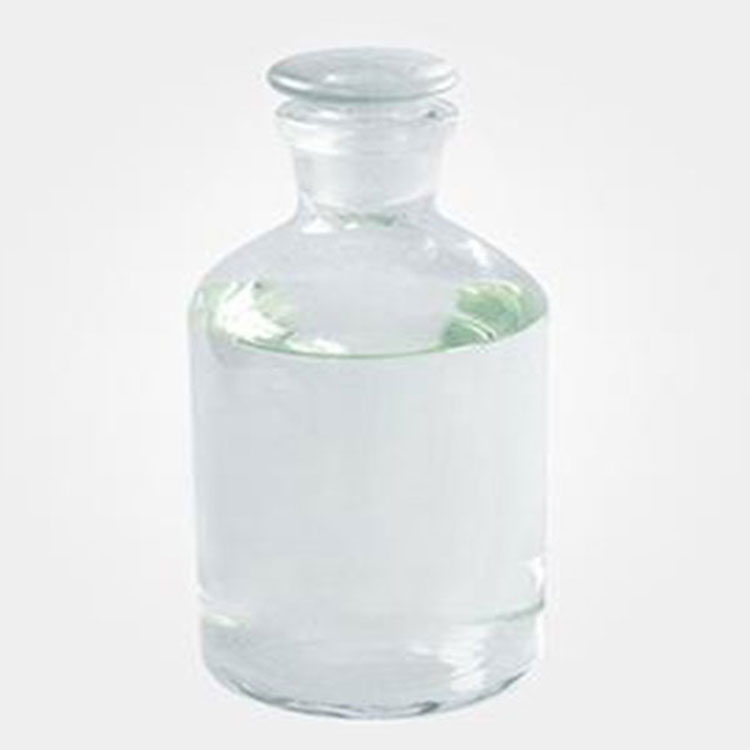
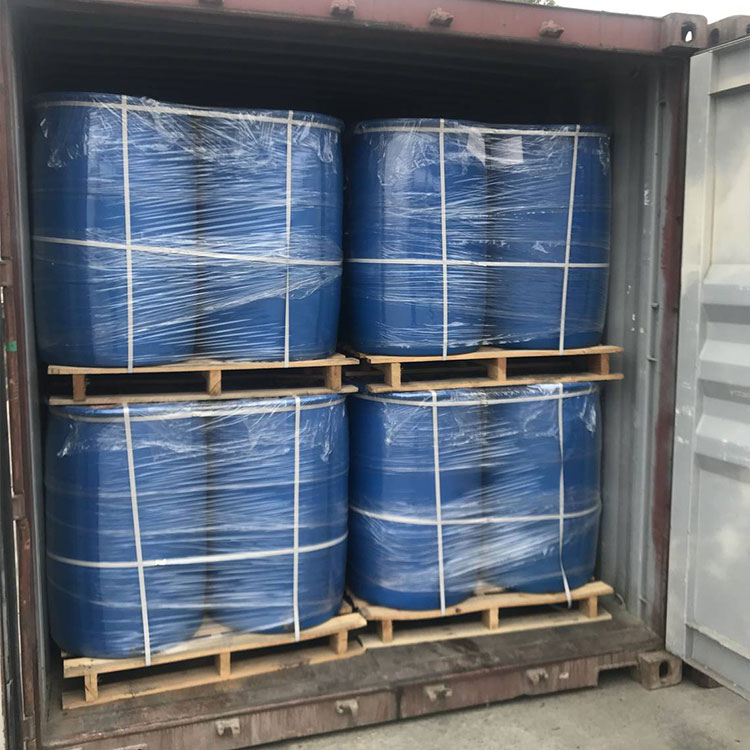
Methyl acetate
| CAS: | 79-20-9 |
| MF: | C3H6O2 |
| MW: | 74.08 |
| EINECS: | 201-185-2 |
MOQ (Minimum Order Quantity): 1 FCL (Full Container Load)
Methyl acetate, also known as MeOAc , acetic acid methyl ester or methyl ethanoate, is a carboxylate ester with the formula CH3COOCH3. It is a flammable liquid with a characteristically pleasant smell reminiscent of some glues and nail polish removers. Methyl acetate is occasionally used as a solvent, being weakly polar and lipophilic, but its close relative ethyl acetate is a more common solvent being less toxic and less soluble in water. Methyl acetate has a solubility of 25% in water at room temperature. At elevated temperature its solubility in water is much higher. Methyl acetate is not stable in the presence of strong aqueous bases or aqueous acids. Methyl acetate is VOC exempt.
| Melting point | -98 °C (lit.) |
| Boiling point | 57-58 °C (lit.) |
| density | 0.934 g/mL at 25 °C |
| vapor density | 2.55 (vs air) |
| vapor pressure | 165 mm Hg ( 20 °C) |
| refractive index | n |
| FEMA | 2676 | METHYL ACETATE |
| Fp | 3.2 °F |
| storage temp. | no restrictions. |
| solubility | 250g/l |
| form | Solution |
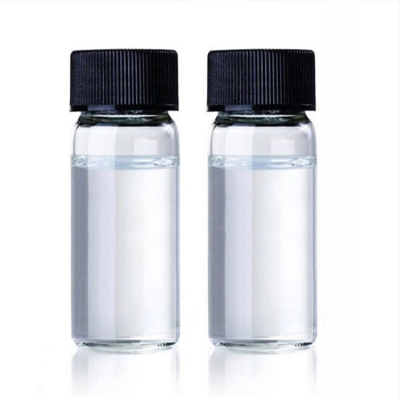
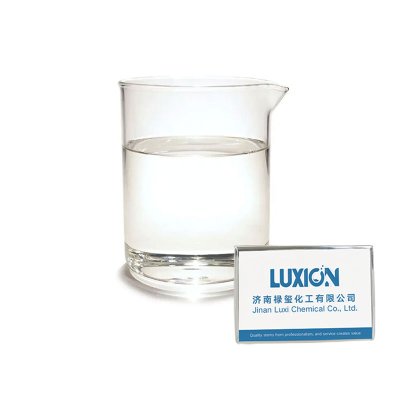
| color | Clear colorless to slightly pale yellow |
| Relative polarity | 0.253 |
| Odor | Slightly acrid, sweet; fragrant. |
| PH | 7 |
| biological source | synthetic |
| Odor Type | ethereal |
| Odor Threshold | 1.7ppm |
| explosive limit | 3.1-16%(V) |
| Water Solubility | 250 g/L (20 ºC) |
| Thermal Conductivity | 0.15 W/(m·K) at 25 ℃ |
| λmax | λ: 255 nm Amax: 1.0 λ: 275 nm Amax: 0.1 λ: 300 nm Amax: 0.01 |
| JECFA Number | 125 |
| Merck | 14,6008 |
| BRN | 1736662 |
| Henry's Law Constant | 0.90 at 20.00 °C, 1.56 at 30.00 °C (headspace-GC, Hovorka et al., 2002) |
| Exposure limits | TLV-TWA 200 ppm (~610 mg/m3) (ACGIH, MSHA, and OSHA); TLV-STEL 250 ppm (~760 mg/m3) (ACGIH); IDLH 10,000 ppm (NIOSH). |
| Dielectric constant | 7.3(20℃) |
| Stability: | Stable. Extremely flammable - readily forms explosive mixtures with air. Note low flash point and wide explosion limits. Incompatible with strong oxidizing agents, strong bases, strong acids, nitrates. May be moisture sensitive. |
| Major Application | cleaning products cosmetics environmental flavors and fragrances food and beverages personal care |
| Cosmetics Ingredients Functions | PERFUMING SOLVENT |
| Cosmetic Ingredient Review (CIR) | Methyl acetate (79-20-9) |
| InChI | 1S/C3H6O2/c1-3(4)5-2/h1-2H3 |
| InChIKey | KXKVLQRXCPHEJC-UHFFFAOYSA-N |
| SMILES | COC(C)=O |
| LogP | 0.18 at 20℃ |
| Surface tension | 25.4mN/m at 298.15K |
| CAS DataBase Reference | 79-20-9(CAS DataBase Reference) |
| NIST Chemistry Reference | Acetic acid, methyl ester(79-20-9) |
| EPA Substance Registry System | Methyl acetate (79-20-9) |
Methyl acetate, also known as MeOAc , acetic acid methyl ester or methyl ethanoate, is a carboxylate ester with the formula CH3COOCH3. It is a flammable liquid with a characteristically pleasant smell reminiscent of some glues and nail polish removers. Methyl acetate is occasionally used as a solvent, being weakly polar and lipophilic, but its close relative ethyl acetate is a more common solvent being less toxic and less soluble in water. Methyl acetate has a solubility of 25% in water at room temperature. At elevated temperature its solubility in water is much higher. Methyl acetate is not stable in the presence of strong aqueous bases or aqueous acids. Methyl acetate is VOC exempt.
| Melting point | -98 °C (lit.) |
| Boiling point | 57-58 °C (lit.) |
| density | 0.934 g/mL at 25 °C |
| vapor density | 2.55 (vs air) |
| vapor pressure | 165 mm Hg ( 20 °C) |
| refractive index | n |
| FEMA | 2676 | METHYL ACETATE |
| Fp | 3.2 °F |
| storage temp. | no restrictions. |
| solubility | 250g/l |
| form | Solution |
| color | Clear colorless to slightly pale yellow |
| Relative polarity | 0.253 |
| Odor | Slightly acrid, sweet; fragrant. |
| PH | 7 |
| biological source | synthetic |
| Odor Type | ethereal |
| Odor Threshold | 1.7ppm |
| explosive limit | 3.1-16%(V) |
| Water Solubility | 250 g/L (20 ºC) |
| Thermal Conductivity | 0.15 W/(m·K) at 25 ℃ |
| λmax | λ: 255 nm Amax: 1.0 λ: 275 nm Amax: 0.1 λ: 300 nm Amax: 0.01 |
| JECFA Number | 125 |
| Merck | 14,6008 |
| BRN | 1736662 |
| Henry's Law Constant | 0.90 at 20.00 °C, 1.56 at 30.00 °C (headspace-GC, Hovorka et al., 2002) |
| Exposure limits | TLV-TWA 200 ppm (~610 mg/m3) (ACGIH, MSHA, and OSHA); TLV-STEL 250 ppm (~760 mg/m3) (ACGIH); IDLH 10,000 ppm (NIOSH). |
| Dielectric constant | 7.3(20℃) |
| Stability: | Stable. Extremely flammable - readily forms explosive mixtures with air. Note low flash point and wide explosion limits. Incompatible with strong oxidizing agents, strong bases, strong acids, nitrates. May be moisture sensitive. |
| Major Application | cleaning products cosmetics environmental flavors and fragrances food and beverages personal care |
| Cosmetics Ingredients Functions | PERFUMING SOLVENT |
| Cosmetic Ingredient Review (CIR) | Methyl acetate (79-20-9) |
| InChI | 1S/C3H6O2/c1-3(4)5-2/h1-2H3 |
| InChIKey | KXKVLQRXCPHEJC-UHFFFAOYSA-N |
| SMILES | COC(C)=O |
| LogP | 0.18 at 20℃ |
| Surface tension | 25.4mN/m at 298.15K |
| CAS DataBase Reference | 79-20-9(CAS DataBase Reference) |
| NIST Chemistry Reference | Acetic acid, methyl ester(79-20-9) |
| EPA Substance Registry System | Methyl acetate (79-20-9) |
Product Application of CAS#79-20-9
Methyl acetate may be used for the preparation of fatty acid methyl esters and triacetin from rapeseed oil via non-catalytic trans-esterification reaction under super-critical conditions.
Methyl acetate may be used in the following:
As acyl acceptor in the preparation of biodiesel.
Synthesis of ethanol.
Preparation of n-butyl acetate, via transesterification reaction with n-butanol in the presence of acidic catalysts.
It may also be used as a precursor in the synthesis of the following:
acetic anhydride
methyl acrylate
vinyl acetate
ethyl amide
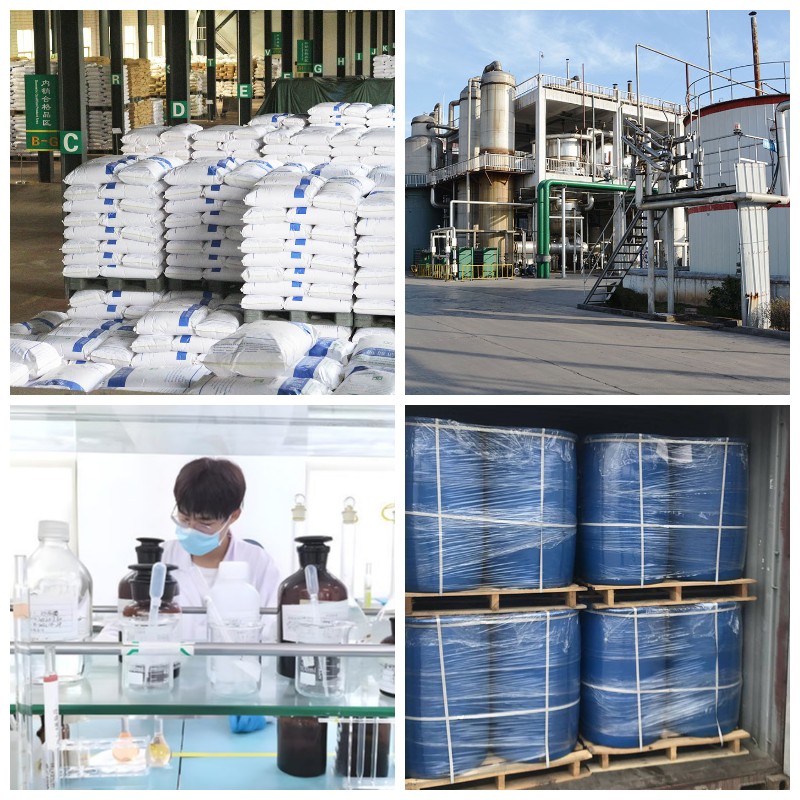
Fast delivery time
Inventory 2-3 working days New production 7-10 working days