 Español
 Português
 Русский
 العربية
 한국어
한국어
 日本語
日本語
 Français
 Deutsch
 ภาษาไทย

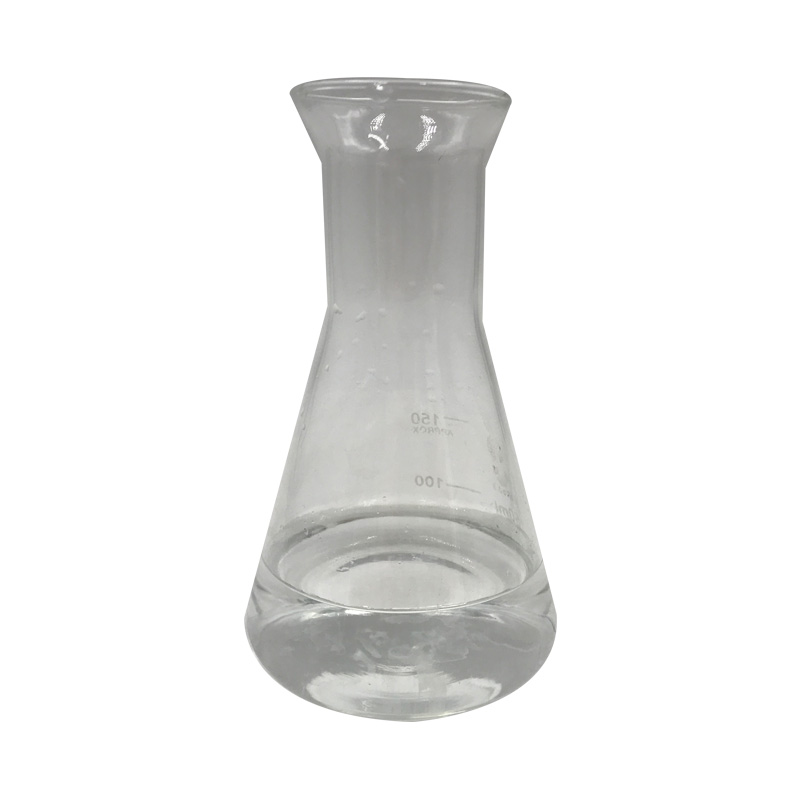
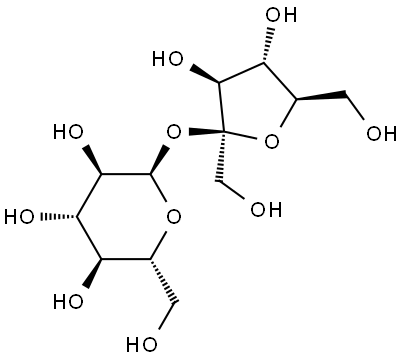
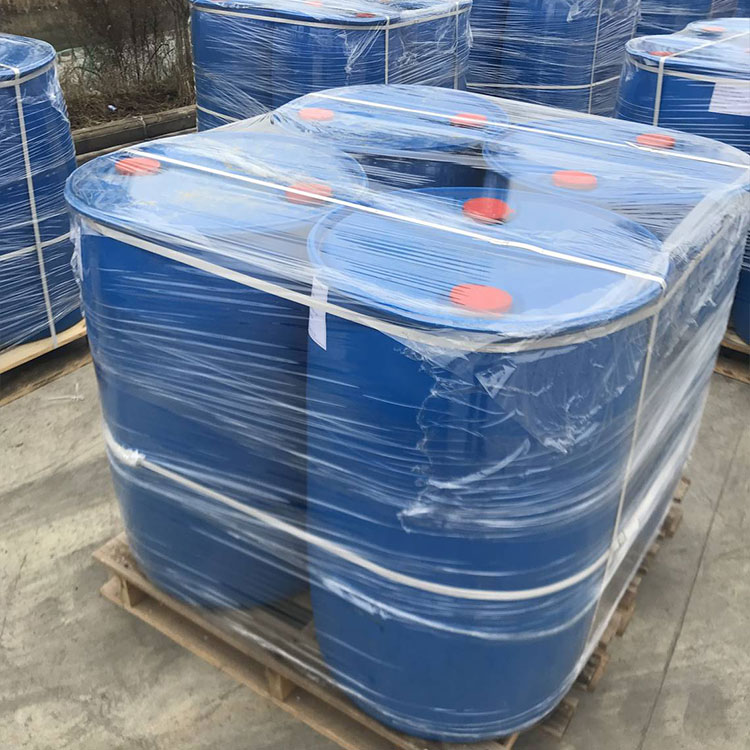
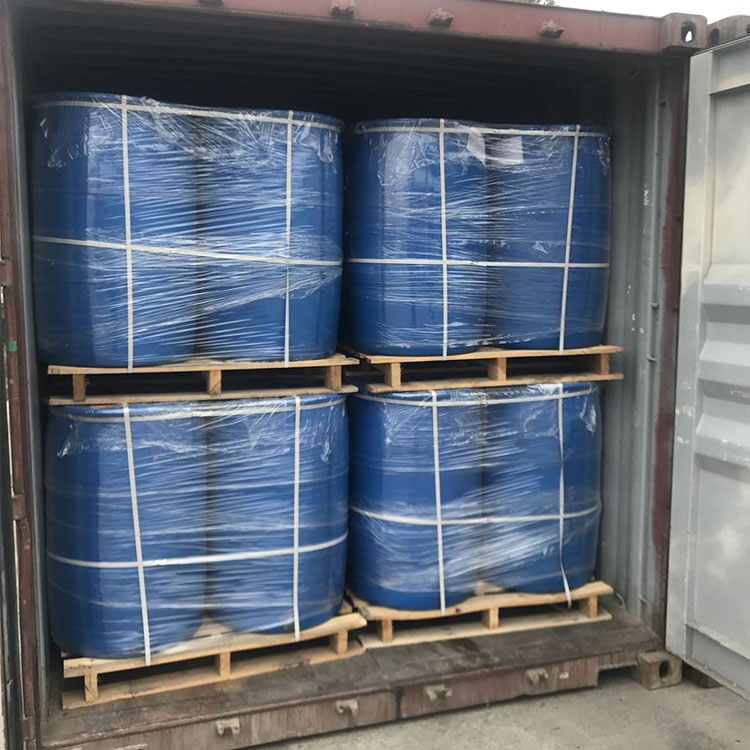
Sucrose CAS#57-50-1
CAS: 57-50-1
MF: C12H22O11
MW: 342.3
EINECS: 200-334-9
MOQ (Minimum Order Quantity): 1 FCL (Full Container Load)
Sucrose CAS#57-50-1
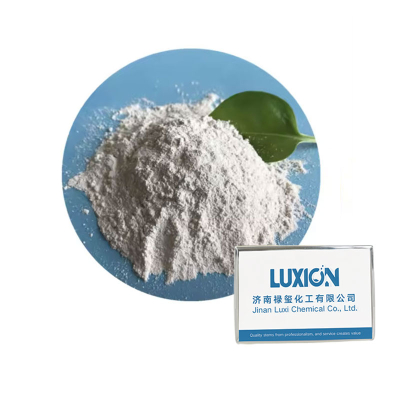
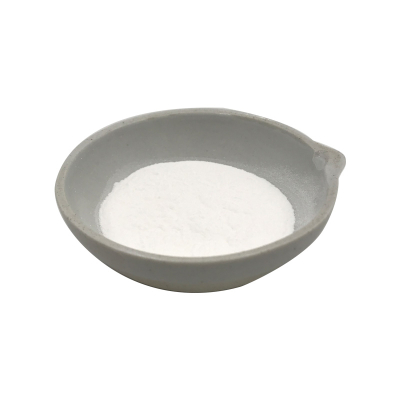
Sucrose is a sugar obtained from sugar cane (Saccharum officinarum Linne' (Fam. Gramineae)), sugar beet (Beta vulgaris Linne' (Fam. Chenopodiaceae)), and other sources. It contains no added substances. Sucrose occurs as colorless crystals, as crystalline masses or blocks, or as a white crystalline powder; it is odorless and has a sweet taste.
| Sucrose Chemical Properties |
| Melting point | 185-187 °C (lit.) |
| alpha | 67 º (c=26, in water 25 ºC) |
| Boiling point | 397.76°C (rough estimate) |
| bulk density | 800-950kg/m3 |
| density | 1.5805 |
| refractive index | 66.5 ° (C=26, H2O) |
| Fp | 93.3°C |
| storage temp. | Inert atmosphere,Room Temperature |
| solubility | H2O: 500 mg/mL |
| form | Liquid |
| pka | 12.7(at 25℃) |
| color | White |
| PH | 5.0-7.0 (25℃, 1M in H2O) |
| Odor | Odorless |
| PH Range | 5.5 - 7 at 342 g/l at 25 °C |
| biological source | sugar cane |
| Optical Rotation | [α]25/D +66.3 to +66.8°(lit.) |
| Water Solubility | 1970 g/L (15 ºC) |
| λmax | λ: 260 nm Amax: 0.11 λ: 280 nm Amax: 0.08 |
| Merck | 14,8881 |
| BRN | 90825 |
| Exposure limits | ACGIH: TWA 10 mg/m3 OSHA: TWA 15 mg/m3; TWA 5 mg/m3 NIOSH: TWA 10 mg/m3; TWA 5 mg/m3 |
| Dielectric constant | 3.3(Ambient) |
| Stability: | Stable. Combustible. Incompatible with strong oxidizing agents. Hydrolyzed by dilute acids and by invertase. |
| Cosmetics Ingredients Functions | HUMECTANT SKIN CONDITIONING SOOTHING |
| InChI | 1S/C12H22O11/c13-1-4-6(16)8(18)9(19)11(21-4)23-12(3-15)10(20)7(17)5(2-14)22-12/h4-11,13-20H,1-3H2/t4-,5-,6-,7-,8+,9-,10+,11-,12+/m1/s1 |
| InChIKey | CZMRCDWAGMRECN-UGDNZRGBSA-N |
| SMILES | OC[C@H]1O[C@H](O[C@]2(CO)O[C@H](CO)[C@@H](O)[C@@H]2O)[C@H](O)[C@@H](O)[C@@H]1O |
| LogP | -4.492 (est) |
| CAS DataBase Reference | 57-50-1(CAS DataBase Reference) |
| NIST Chemistry Reference | Sucrose(57-50-1) |
| EPA Substance Registry System | Sucrose (57-50-1) |
| Absorption | ≤0.100 at 280nm ≤0.120 at 260nm |
| Safety Information |
| Hazard Codes | Xi |
| Risk Statements | 36/37/38 |
| Safety Statements | 24/25-37/39-26 |
| OEB | B |
| OEL | TWA: 10 mg/m3 (total) |
| WGK Germany | 2 |
| RTECS | WN6500000 |
| F | 3 |
| TSCA | TSCA listed |
| HS Code | 17019910 |
| Storage Class | 11 - Combustible Solids |
| Hazardous Substances Data | 57-50-1(Hazardous Substances Data) |
| Toxicity | LD50 orally in Rabbit: 29700 mg/kg |
Product Application of Sucrose CAS#57-50-1
Sucrose is widely used in oral pharmaceutical formulations. Sucrose syrup, containing 50–67% w/w sucrose, is used in tableting as a binding agent for wet granulation. In the powdered form, sucrose serves as a dry binder (2–20% w/w) or as a bulking agent and sweetener in chewable tablets and lozenges. Tablets that contain large amounts of sucrose may harden to give poor disintegration.
Sucrose syrups are used as tablet-coating agents at concentrations between 50% and 67% w/w. With higher concentrations, partial inversion of sucrose occurs, which makes sugar coating difficult.
Sucrose syrups are also widely used as vehicles in oral liquiddosage forms to enhance palatability or to increase viscosity.(4,5) Sucrose has been used as a diluent in freeze-dried protein products.
Sucrose is also widely used in foods and confectionery, and therapeutically in sugar pastes that are used to promote wound healing.
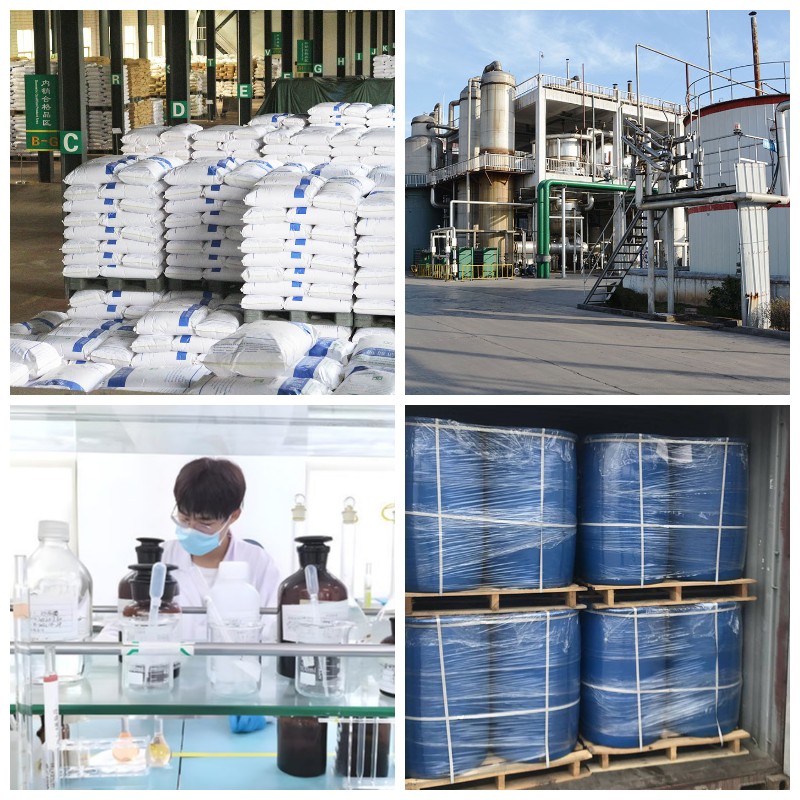
Fast delivery time
Inventory 2-3 working days New production 7-10 working days