 Español
 Português
 Русский
 العربية
 한국어
한국어
 日本語
日本語
 Français
 Deutsch
 ภาษาไทย

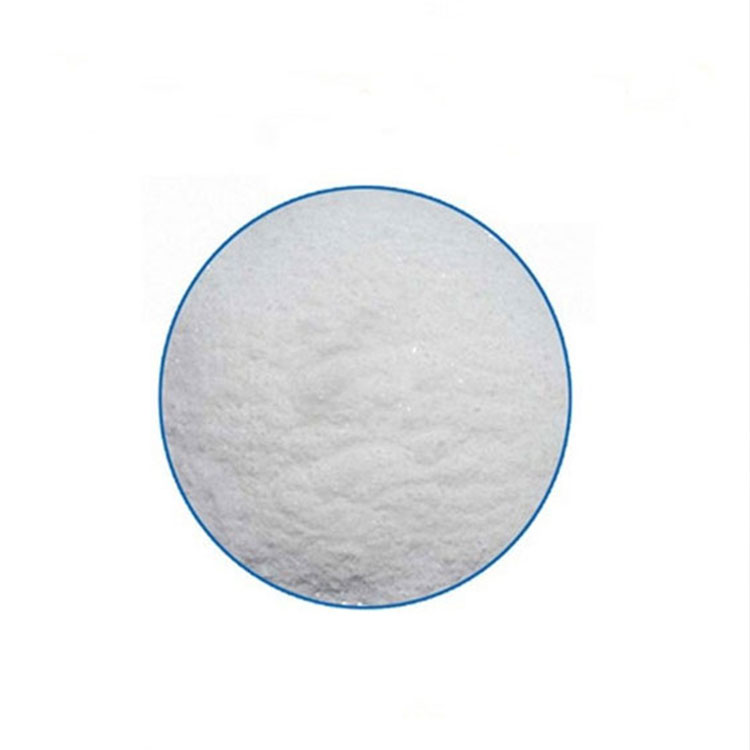
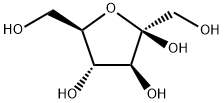
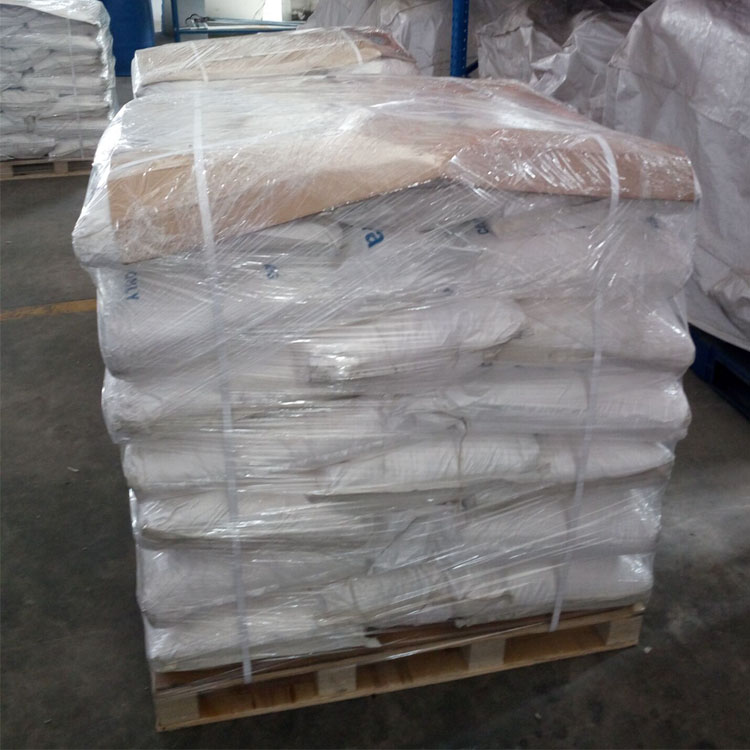
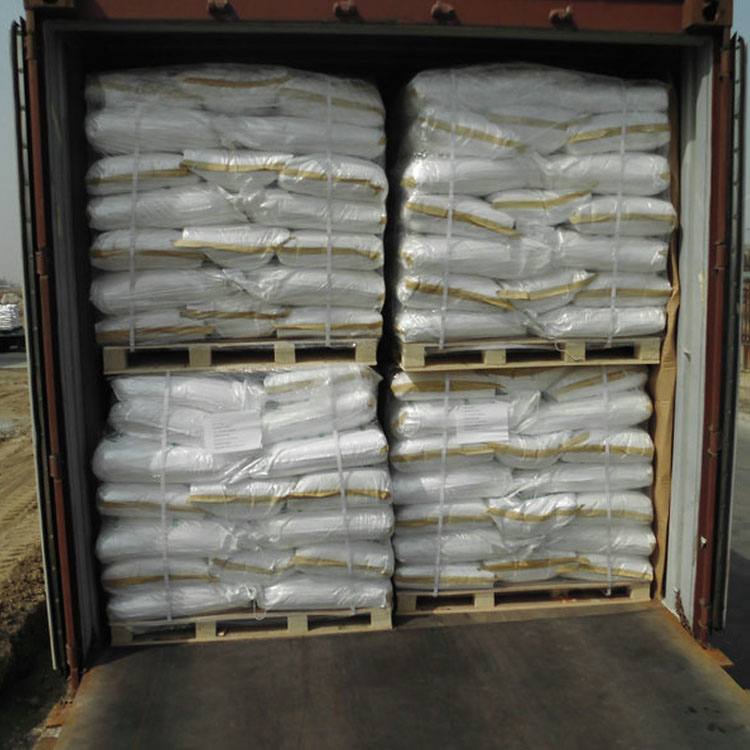
Fructose CAS#57-48-7
CAS: 57-48-7
MF: C6H12O6
MW: 180.16
EINECS: 200-333-3
MOQ (Minimum Order Quantity): 1 FCL (Full Container Load)
Fructose CAS#57-48-7
Fructose consumption has been escalating over the past several decades and is believed to play a role in the rising epidemic of metabolic disorders[14]. Fructose is a simple monosaccharide that occurs naturally in fruit, though the two main sources of dietary fructose in the Western diet are sucrose (table sugar) and high-fructose corn syrup (HFCS)[14]. Sucrose is cleaved enzymatically during digestion to produce one fructose molecule and one glucose molecule. HFCS, on the contrary, contains free fructose and glucose in varying ratios. A popular type of HFCS that is used to sweeten beverages in the United States – HFCS-55 – contains 55% fructose, 42% glucose and 3% oligosaccharides[15]. The 1999–2004 data from the National Health and Nutrition Examination Survey (NHANES) show that the average daily intake of fructose in the United States is now approximately 49 g, which equates to 9.1% of total energy intake[16]. In comparison, the average daily intake of fructose during 1977–1978 was 37 g[16]. The highest consumers of fructose are 19–22-year-olds, largely due to excess consumption of sugar-sweetened beverages. Fructose consumption as a percentage of total energy intakes amongst male and female 19–22-year-olds in the 95th percentile is 17.5 and 17.9%, respectively[16].
| Fructose Chemical Properties |
| Melting point | 119-122 °C (dec.)(lit.) |
| alpha | -92.25 º (c=10,H2O,on dry sub.) |
| Boiling point | 232.96°C (rough estimate) |
| density | 1.59 |
| bulk density | 700-800kg/m3 |
| refractive index | -92 ° (C=4, H2O) |
| storage temp. | room temp |
| solubility | H2O: 1 M at 20 °C, clear, colorless |
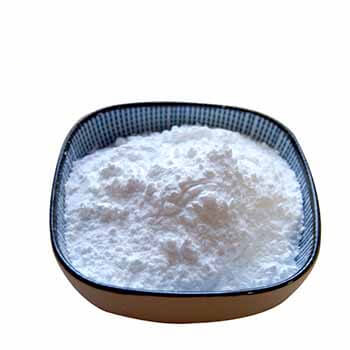
| form | Crystals or Crystalline Powder |
| pka | pKa (18°): 12.06 |
| color | White |
| PH | 5.0-7.0 (25℃, 0.1M in H2O) |
| Odor | at 100.00 %. odorless |
| Odor Type | odorless |
| biological source | natural (organic) |
| Optical Rotation | [α]20/D 93.5 to 91.0°, c = 10% in H2O |
| Water Solubility | 3750 g/L (20 ºC) |
| λmax | λ: 260 nm Amax: 0.04 λ: 280 nm Amax: 0.04 |
| Merck | 14,4273 |
| BRN | 1239004 |
| Stability: | Stable. Incompatible with strong oxidizing agents. |
| Major Application | pharmaceutical (small molecule) |
| Cosmetics Ingredients Functions | HUMECTANT |
| Cosmetic Ingredient Review (CIR) | D(-)-Fructose (57-48-7) |
| InChI | 1S/C6H12O6/c7-1-3(9)5(11)6(12)4(10)2-8/h3,5-9,11-12H,1-2H2/t3-,5-,6-/m1/s1 |
| InChIKey | LKDRXBCSQODPBY-GWVKGMJFSA-N |
| SMILES | OC[C@@H](O)[C@@H](O)[C@H](O)C(=O)CO |
| LogP | -1.029 (est) |
| CAS DataBase Reference | 57-48-7(CAS DataBase Reference) |
| NIST Chemistry Reference | «beta»-D-Fructose(57-48-7) |
| EPA Substance Registry System | D-Fructose (57-48-7) |
| Safety Information |
| Hazard Codes | C |
| Risk Statements | 34 |
| Safety Statements | 24/25-45-36/37/39-27-26 |
| WGK Germany | 3 |
| RTECS | LS7120000 |
| F | 3 |
| Autoignition Temperature | 360 °C |
| TSCA | TSCA listed |
| HS Code | 17025000 |
| Storage Class | 11 - Combustible Solids |
Product Application of Fructose CAS#57-48-7
Fructose is a sweetener that is a monosaccharide found naturally in fresh fruit and honey. It is obtained by the inversion of sucrose by means of the enzyme invertase and by the isomerization of corn syrup. It is 130–180 in sweetness range as compared to sucrose at 100 and is very water soluble. It is used in baked goods because it reacts with amino acids to produce a browning reaction. It is used as a nutritive sweetener in low-calorie beverages. It is also termed levulose and fruit sugar.
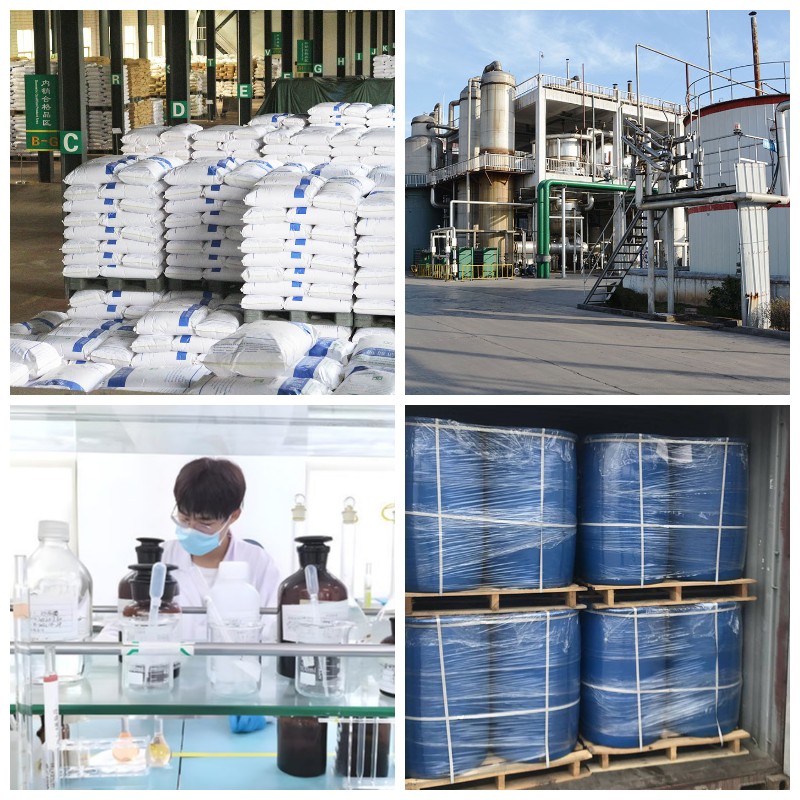
Fast delivery time
Inventory 2-3 working days New production 7-10 working days