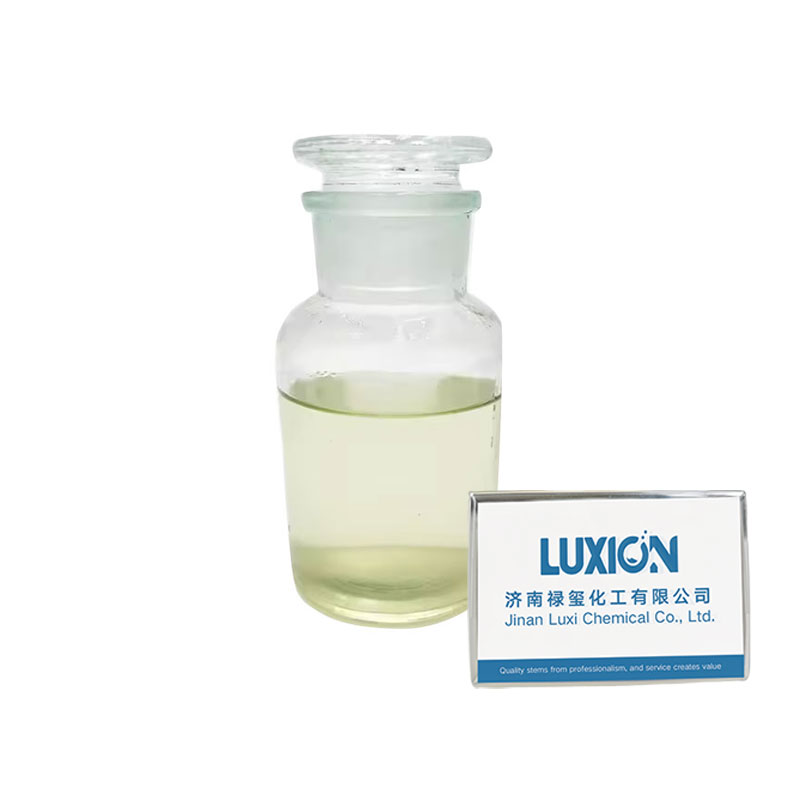
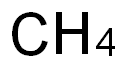
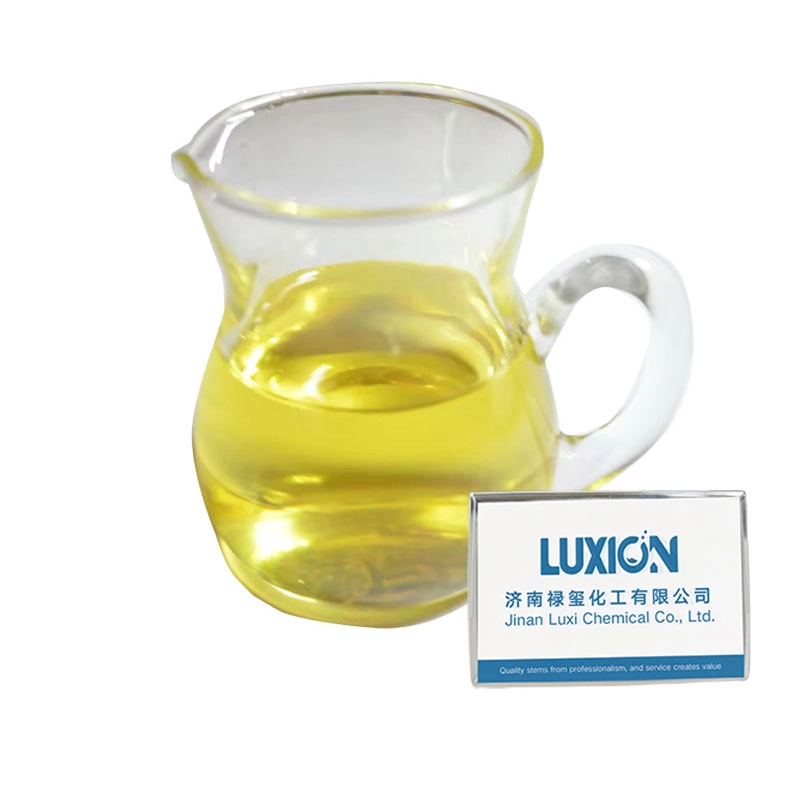
Polypropylene Glycol CAS#25322-69-4
Modern production methods for polypropylene glycol utilize catalysts such as KOH or double metal complex (DMC) in processes ranging from traditional semi-continuous reactors to innovative microchannel reactor systems, with optimal synthesis conditions at temperatures around 190°C and pressures of approximately 2 MPa, achieving propylene oxide conversion rates up to 63.5% and molecular weights between 600 and 650 in laboratory-scale operations

Polypropylene glycol Chemical Properties |
Melting point | -40 °C |
Boiling point | >300 °C |
density | 1.01 g/mL at 20 °C |
vapor density | >1 (vs air) |
Pour Point | -26 |
Pour Point | -45 |
vapor pressure | <0.01 mm Hg ( 20 °C) |
refractive index | n20/D 1.451 |
Fp | 230 °C |
storage temp. | Storage temp. 2-8°C |
solubility | H2O: <0.01 % (w/w) at 25 °C |
form | Viscous Liquid |
Specific Gravity | 1.005 |
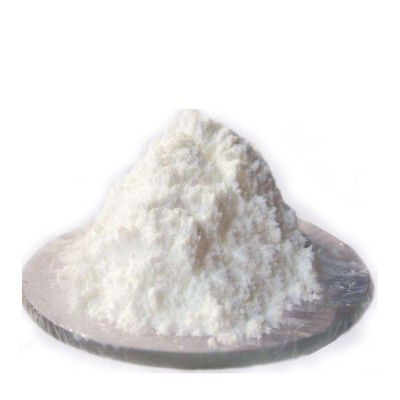
color | White to light gray |
Water Solubility | PRACTICALLY INSOLUBLE |
FreezingPoint | -25 |
FreezingPoint | -40 |
Stability: | Stable. Substances to be avoided include strong oxidizing agents. |
LogP | 0.01 at 25℃ |
NIST Chemistry Reference | Polypropylene glycol 425(25322-69-4) |
EPA Substance Registry System | Polypropylene glycol (25322-69-4) |
Product Usage
Polypropylene glycol (PPG) is widely used in industrial, food and pharmaceutical fields due to its diverse properties such as lubrication, solubilization, defoaming and skin moisturizing that can be achieved by adjusting the molecular weight, as well as its good compatibility, to meet the functional requirements of multiple scenarios.
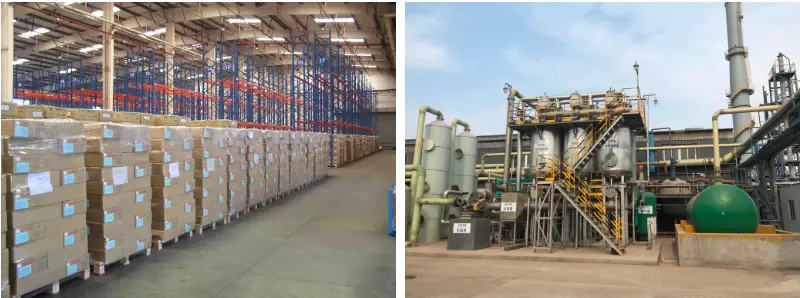
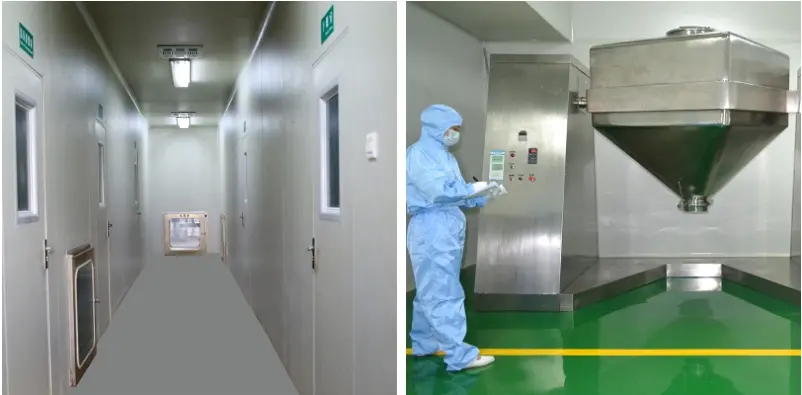
Factory and Equipment Show


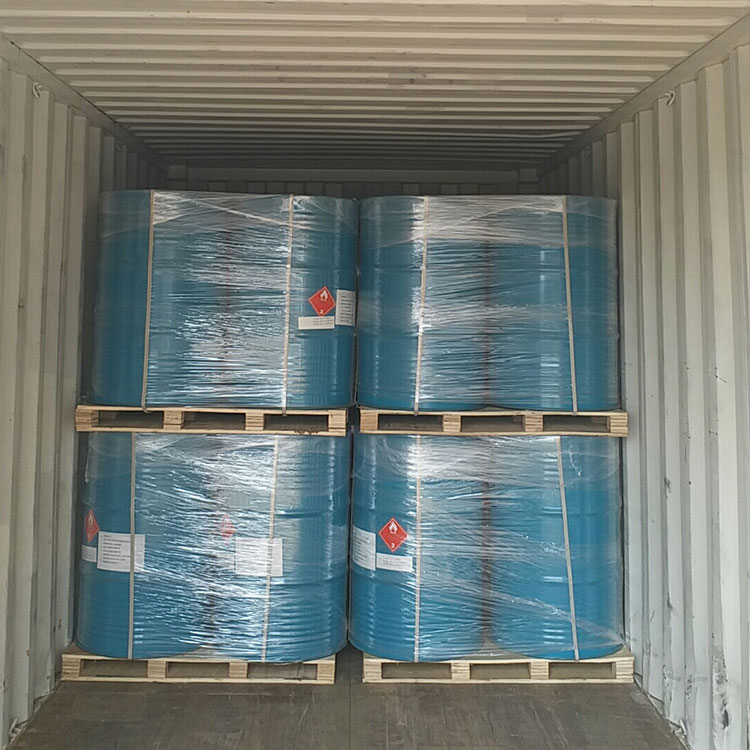
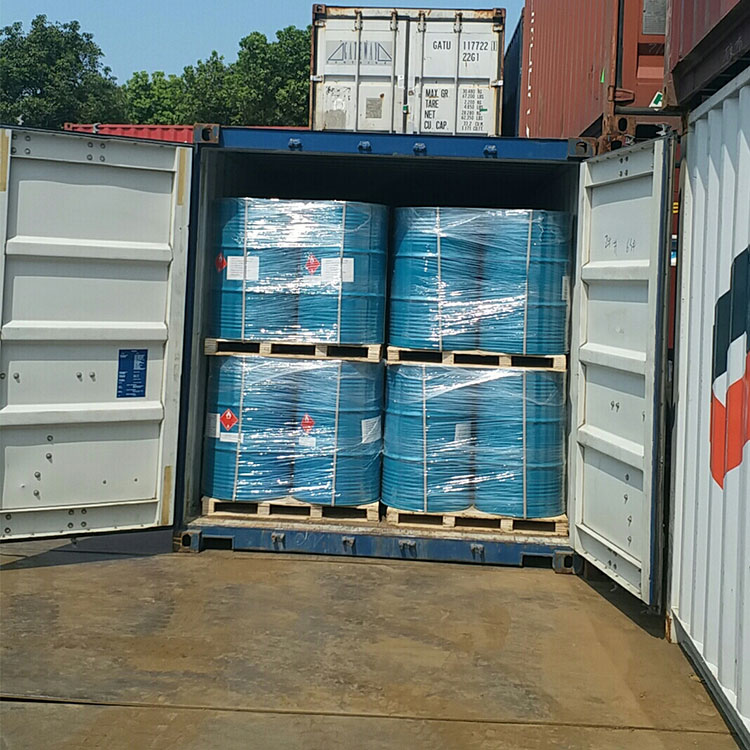
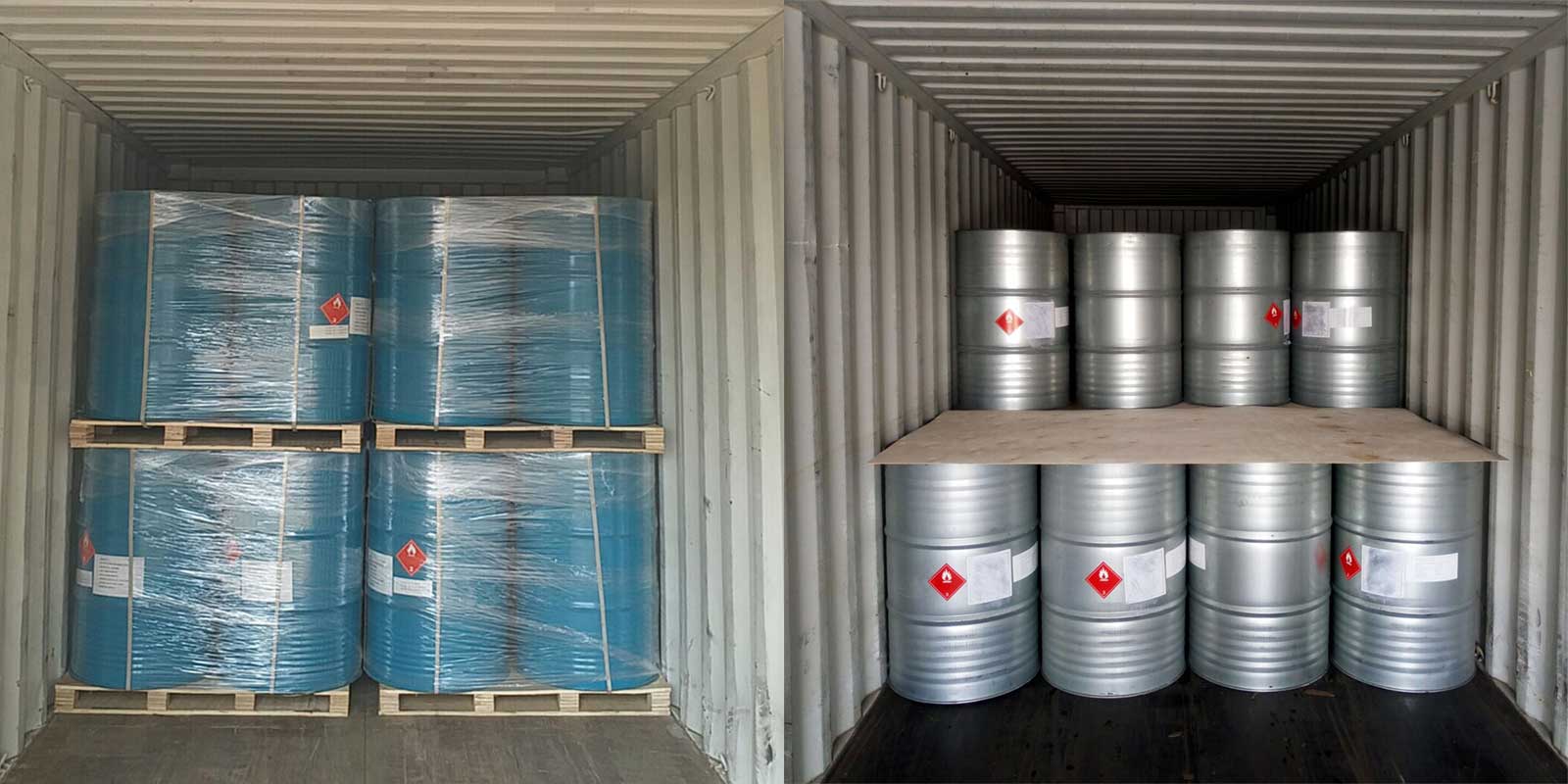
Fast transport time
Inventory 2-3 working days New manufacturing 7-10 working days



 Español
 Português
 Русский
 العربية
 한국어
한국어
 日本語
日本語
 Français
 Deutsch
 ภาษาไทย