
 Español
 Português
 Русский
 العربية
 한국어
한국어
 日本語
日本語
 Français
 Deutsch
 ภาษาไทย

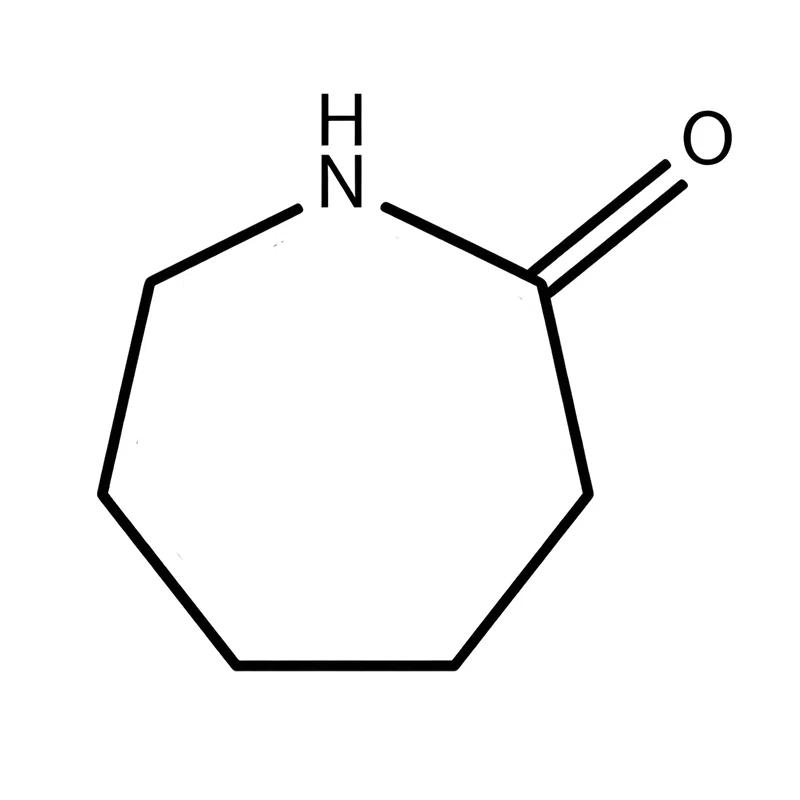
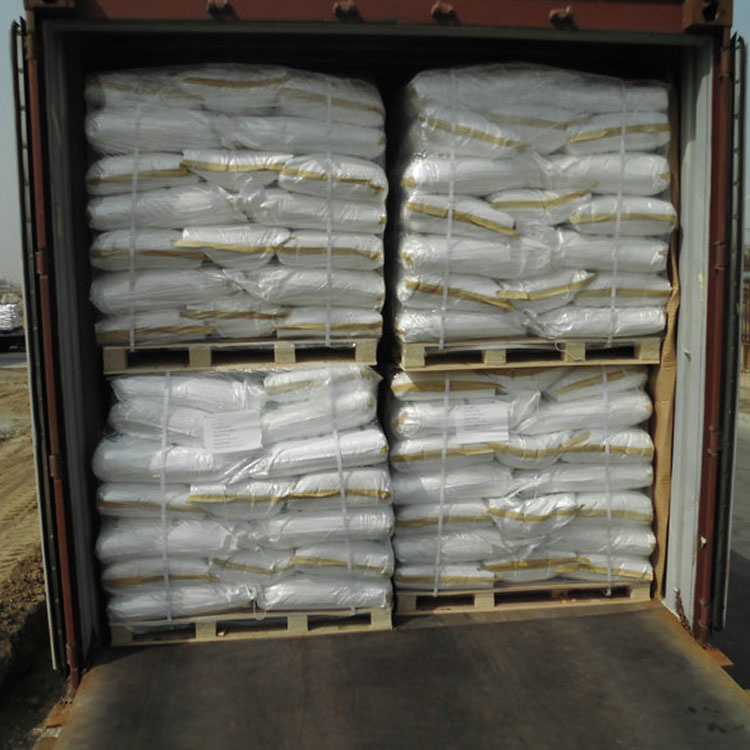
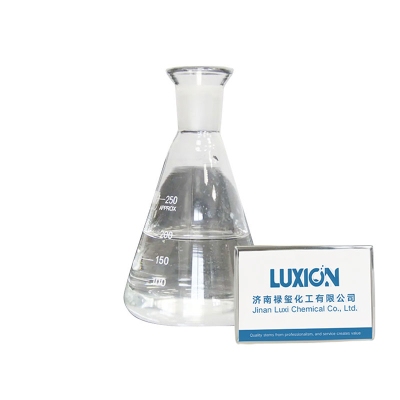
Caprolactam CAS#105-60-2
| Product Name: | Caprolactam |
| Synonyms: | CYCLOHEXANONEISOOXIME;CAPROLACTAM;HEXAHYDRO-2H-AZEPIN-2-ONE;EPSILUM-CAPROLACTAM;EPSILON-CAP;AZA-2-CYCLOHEPTANONE;6-CAPROLACTAM;6-AMINOCAPROIC ACID LACTAM |
| CAS: | 105-60-2 |
| MF: | C6H11NO |
| MW: | 113.16 |
| EINECS: | 203-313-2 |
| Product Categories: | Pharmaceutical Intermediates;Highly Purified Reagents;Other Categories;Zone Refined Products;bc0001 |
| Mol File: | 105-60-2.mol |
Products Description of Caprolactam CAS#105-60-2
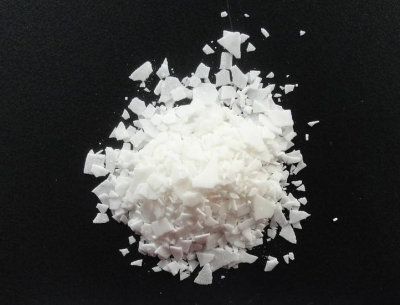
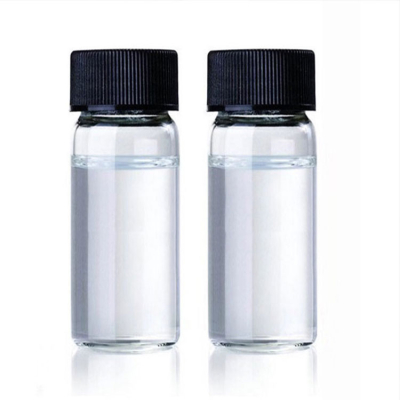
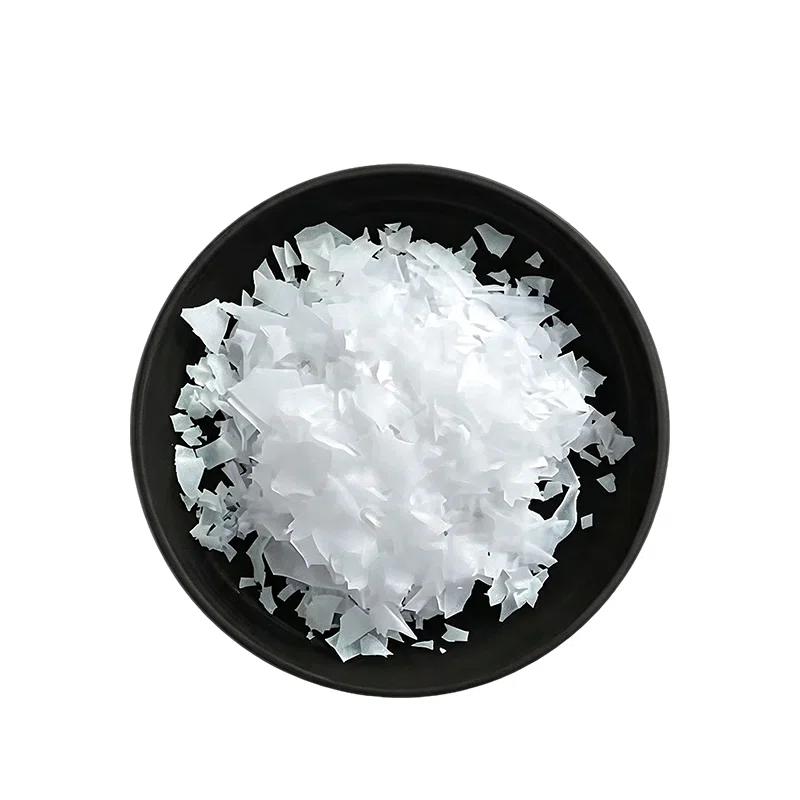
Caprolactam (CAS 105-60-2) is a white crystalline solid or flake primarily used as a monomer in the production of nylon 6 polymer, imparting excellent mechanical strength and chemical resistance. It is highly soluble in water and miscible with most organic solvents. It is widely applied in synthetic fibers, engineering plastics, and films.

Caprolactam CAS#105-60-2 Chemical Properties
| Melting point | 166-170°C |
| density | 1.78 g/mL at 25 °C |
| Tg | -38 |
| vapor pressure | 15 mm Hg ( 32 °C) |
| refractive index | n |
| storage temp. | Sealed in dry,Room Temperature |
| solubility | some polar solvents such as organic esters and amines: soluble |
| form | powder |
| color | White |
Product Application of Caprolactam CAS#105-60-2
Preparation Method:
Caprolactam is primarily produced via the Beckmann rearrangement of cyclohexanone oxime, which is typically derived from cyclohexanone . In this industrial process, cyclohexanone is first reacted with hydroxylamine to form cyclohexanone oxime. This intermediate is then treated with concentrated sulfuric acid to undergo the rearrangement, yielding caprolactam sulfate. The crude product is subsequently neutralized with ammonia, separated, and purified through processes like extraction, distillation, and crystallization to obtain the final high-purity caprolactam . Alternative commercial routes include the photonitrosation of cyclohexane or the hydrogenation of phenol .
Main Application Areas:
Nylon 6 Production: The dominant application (accounting for nearly all production) is as the monomer for polyamide 6 (nylon 6) via ring-opening polymerization. It is used to produce nylon 6 fibers (textiles, carpets, industrial yarns), engineering plastics, and films .
Engineering Plastics: Used in the manufacture of high-strength plastic parts such as gears, bearings, automotive components, and electrical insulation materials .
Specialty Applications: Used as a cross-linking agent for polyurethanes and as a precursor in the synthesis of lysine and other industrial chemicals .
Safety Information:
Caprolactam is classified as a low-toxicity substance but is an irritant. It can be harmful if ingested, inhaled, or absorbed through the skin, and may cause central nervous system effects upon prolonged exposure . The dust or vapor can form explosive mixtures with air, and it decomposes when heated, releasing toxic nitrogen oxides and carbon monoxide . During high-temperature processing, good ventilation is required. Recommended exposure limits for dust and vapor are typically around 1-3 mg/m³ . Store in a cool, dry, and well-ventilated warehouse, away from oxidizers and sources of ignition. It is not classified as a dangerous good under normal transport conditions, but local regulations should be consulted.
Upstream and Downstream Product Information:
Upstream: Key raw materials for its production are Cyclohexanone (CAS# 108-94-1), Hydroxylamine, and Sulfuric Acid. It can also be produced from Cyclohexane (CAS# 110-82-7) or Phenol (CAS# 108-95-2) .
Downstream: Its primary downstream product is Polyamide 6 (Nylon 6), which is further processed into fibers, engineering plastics, and films .
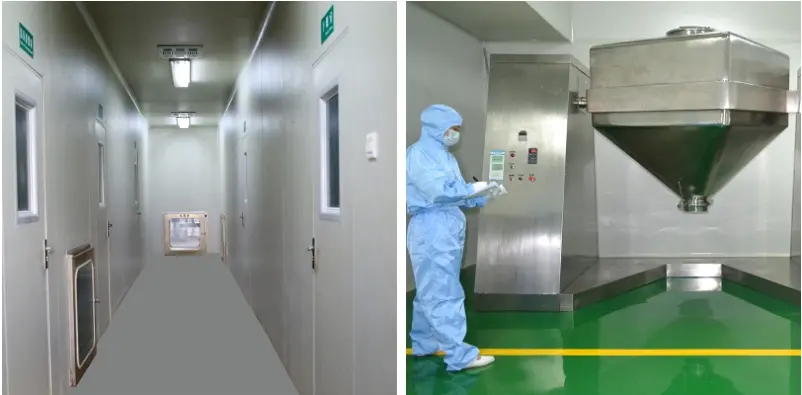
Factory and Equipment Show
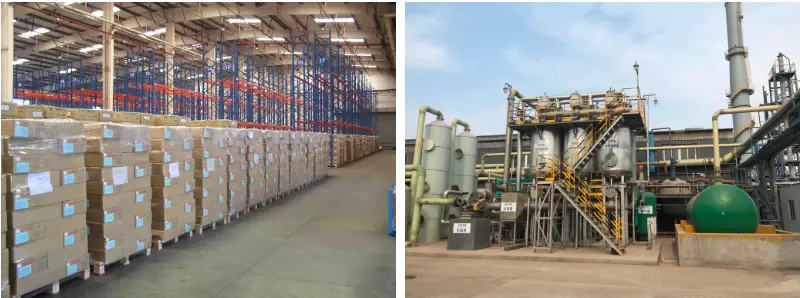
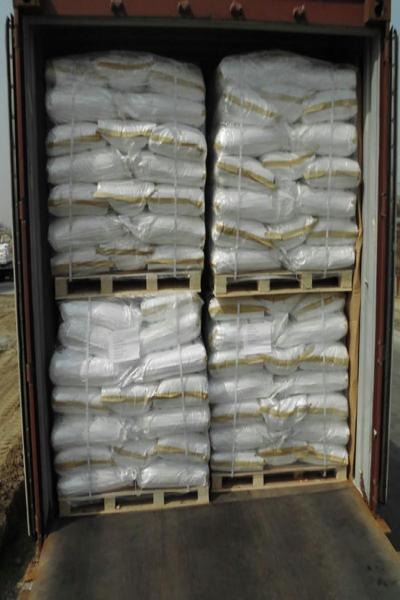
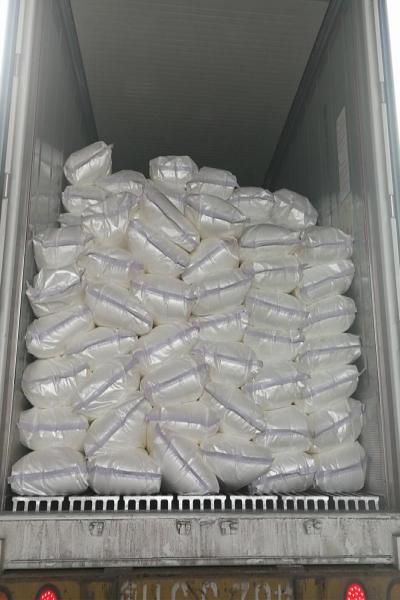
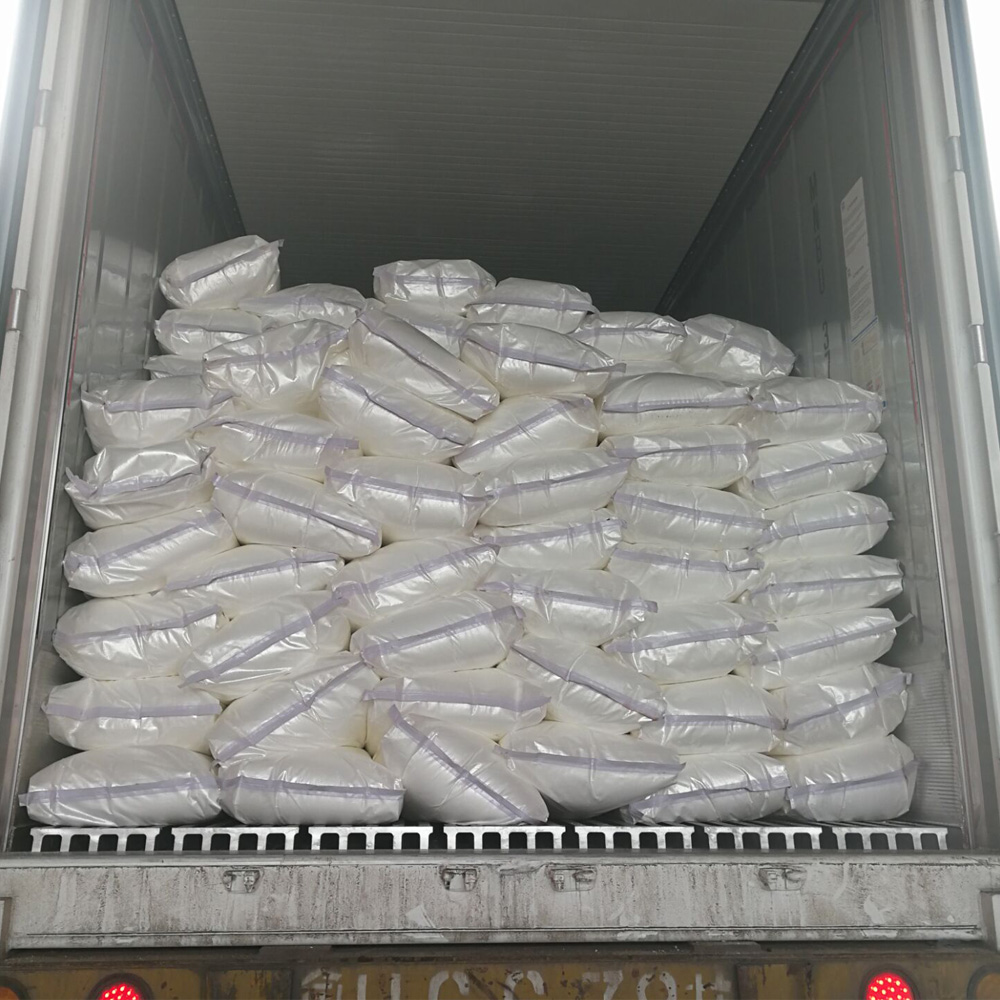
Fast delivery time
Inventory 2-3 working days New production 7-10 working days