
 Español
 Português
 Русский
 العربية
 한국어
한국어
 日本語
日本語
 Français
 Deutsch
 ภาษาไทย

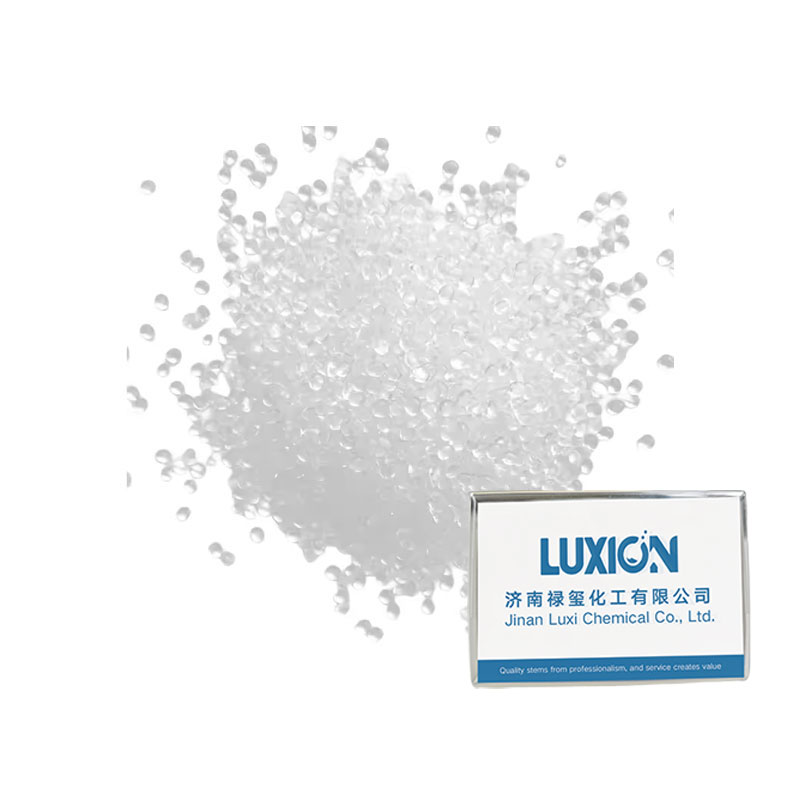

Polypropylene CAS#9003-07-0
CAS Number: 9003-07-0
Chemical Formula: C22H42O3
Synonyms:
Polypropene
Propene homopolymer
Poly(1-methylethylene)
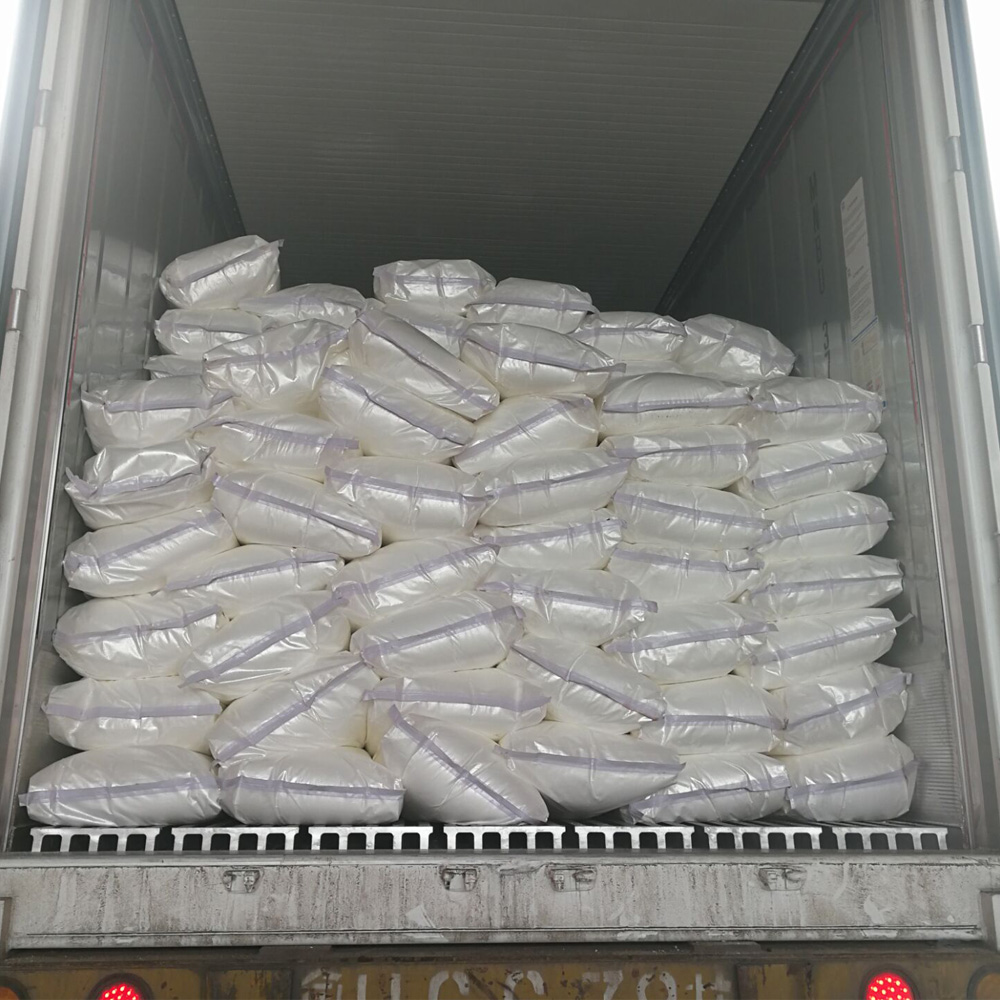
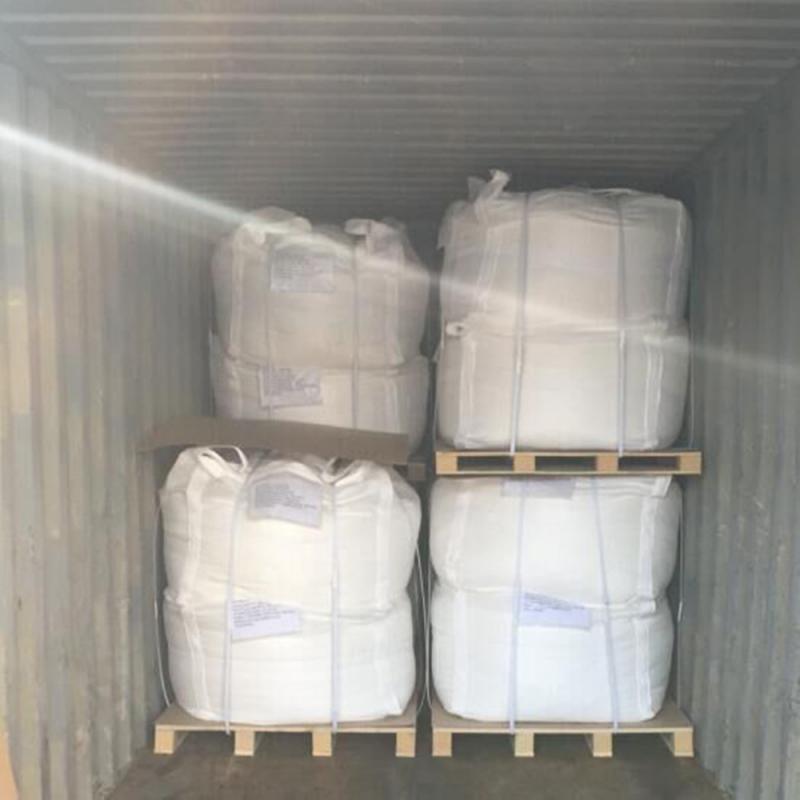
MOQ (Minimum Order Quantity): 1 FCL (Full Container Load)
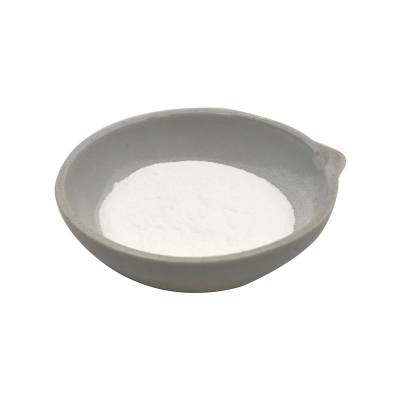
Appearance: White to off-white Solid
Polypropylene CAS#9003-07-0
Polypropylene, designated under CAS number 9003-07-0, is a widely utilized thermoplastic polymer that exists in two distinct molecular weight variants, namely a lower-formula-weight oligomeric form and a higher-formula-weight polymeric form, each manufactured through entirely different catalytic routes to meet specific end-use requirements across various industrial sectors.
| Polypropylene Chemical Properties |
| Melting point | 157 °C |
| Boiling point | 120-132 °C |
| density | 0.9 g/mL at 25 °C (lit.) |
| refractive index | n |
| Fp | >470 |
| storage temp. | -20°C |
| form | particles (Spherical) |
| color | red |
| Odor | odorless |
| biological source | human |
| Merck | 13,7663 |
| Dielectric constant | 1.5(Ambient) |
| IARC | 3 (Vol. 19, Sup 7) 1987 |
| NIST Chemistry Reference | Polypropylene, atactic(9003-07-0) |
| EPA Substance Registry System | Polypropylene (9003-07-0) |
| Safety Information |
| WGK Germany | 3 |
| RTECS | UD1842000 |
| TSCA | Yes |
| HS Code | 39021000 |
| Hazardous Substances Data | 9003-07-0(Hazardous Substances Data) |
| Toxicity | LD50 intraperitoneal in rat: > 110gm/kg |
Product Application of Polypropylene CAS#9003-07-0
Polypropylene (PP) is a thermoplastic material used in a wide variety of applications including packaging, labeling, textiles, etc. Due to high processability and low cost, PP is one of the most extensively produced polymers, especially, for auto industry. Pristine PP is resistant to photo-oxidation and thermal oxidation at moderate temperatures. However, PP is sensitive to various external aging environments (such as heat, light, and radiation), and, hence, has a relatively low service temperature.When PP is exposed to high temperatures or to an irradiation environment, the tertiary hydrogen atoms present in PP chains are susceptible to be attacked by oxygen. It is well known that PP oxidation depends on both light and temperature in outdoor aging conditions. PP can also be photo-degraded because several molecular chains are affected in the wavelength range from 310 to 350 nm.
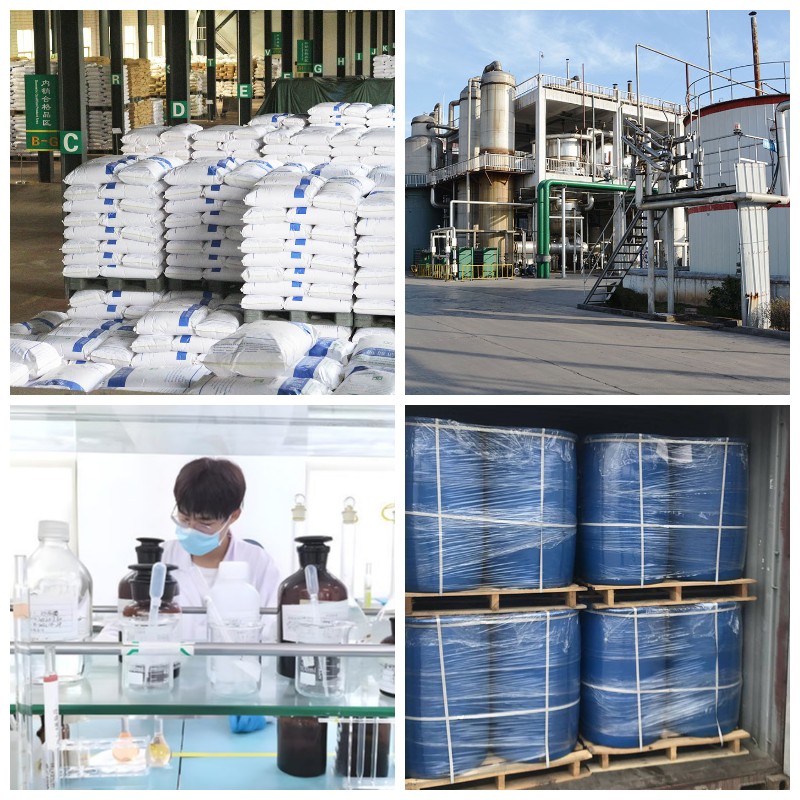
Factory and Equipment Show
Fast delivery time
Inventory 2-3 working days New production 7-10 working days