
 Español
 Português
 Русский
 العربية
 한국어
한국어
 日本語
日本語
 Français
 Deutsch
 ภาษาไทย

From Colas to Fertilizers: The Dual Life of Phosphoric Acid (CAS 7664-38-2)
From Colas to Fertilizers: The Dual Life of Phosphoric Acid (CAS 7664-38-2)
Sub-headline: A Technical Exploration of How Food-Grade and Industrial-Grade H3PO4 Power Diverse Global Industries
Opening Paragraph:
Phosphoric acid (CAS 7664-38-2), a cornerstone inorganic chemical with the formula H₃PO₄, leads a remarkable double life. In its ultra-pure, food-grade form, it is a key ingredient in the beverages and foods consumed daily by billions. In its industrial-grade form, it is an indispensable workhorse driving agriculture and manufacturing. This divergence in application is dictated not by concentration alone, but by stringent purity specifications that separate a safe food additive from a potent industrial reagent. This article maps the extensive and distinct application landscapes of both primary grades of phosphoric acid, highlighting how one molecule serves such vastly different sectors of the modern economy.
Part 1: Food-Grade Phosphoric Acid (FCC Grade) – The Regulated Ingredient
Food-grade phosphoric acid must comply with strict international standards like the Food Chemicals Codex (FCC), EU food additive regulation (E 338), and others, which mandate extremely low limits on impurities such as arsenic, heavy metals, and fluoride.
1. Beverage Industry: The Primary Driver
Acidulant and Flavor Enhancer: Its primary use is as an acidulant in carbonated soft drinks, particularly cola-type beverages. It provides a sharp, tangy taste that balances sweetness and enhances fruit and vanilla flavors.
pH Control and Microbial Stability: By lowering pH, it creates an environment that inhibits microbial growth, acting as a preservative and extending shelf life.
Chelating Agent: It binds to minor metal ions that could otherwise catalyze oxidation reactions, helping to maintain beverage color and flavor stability.
2. Food Processing and Nutrition
Acidulant in Jams, Jellies, and Processed Cheeses: Imparts a desired tartness and assists in gelling processes.
pH Adjustment and Protein Modification: Used in processed meat and poultry products to control texture and improve water-binding capacity.
Nutrient Source: Salts of phosphoric acid (e.g., calcium phosphate) are vital mineral fortificants added to foods like breakfast cereals, flour, and meal replacement shakes to enhance nutritional value.
3. Pharmaceutical and Oral Care
Acid in Dental Etchants: Used in dentistry to etch tooth enamel before sealant application.
pH Adjuster in Syrups and Topicals: Employed in pharmaceutical formulations to stabilize active ingredients.
Cleaning Agent: A component in some denture cleaners and industrial food equipment cleaners.
Part 2: Industrial-Grade Phosphoric Acid – The Global Workhorse
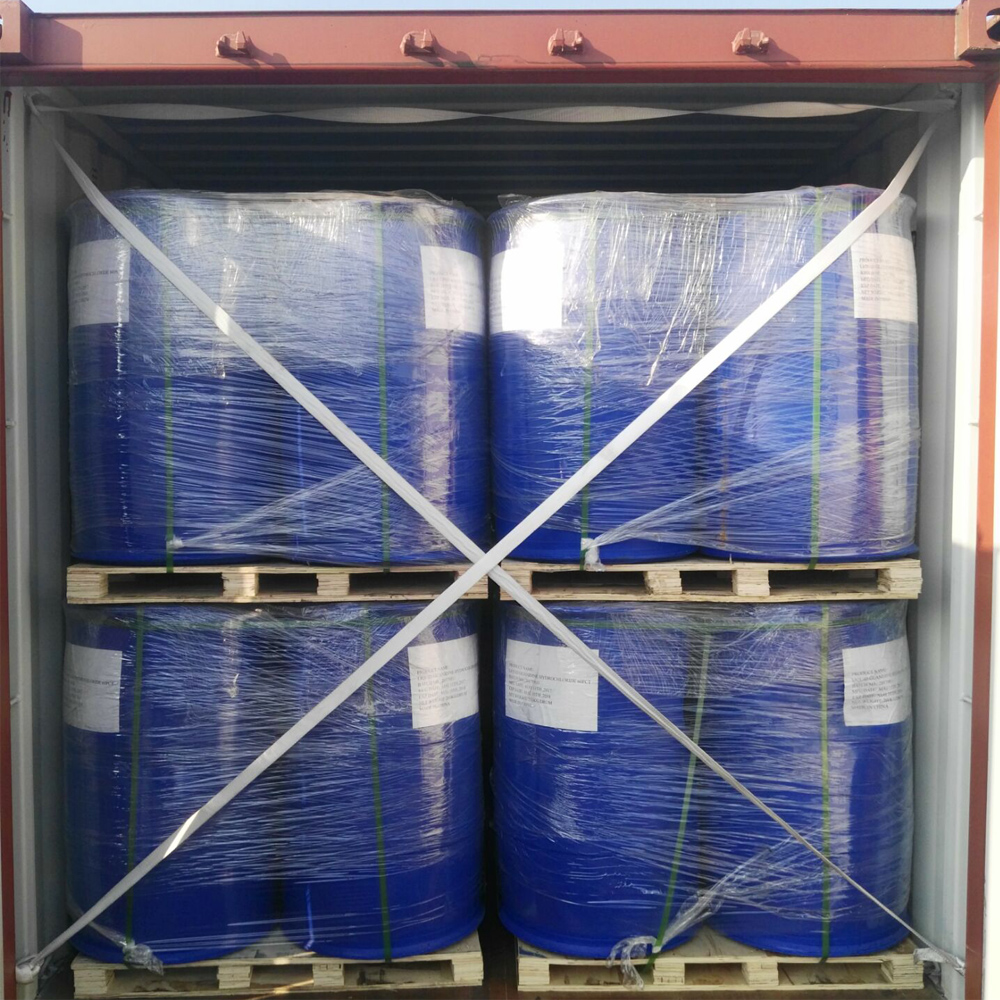
Industrial-grade acid, primarily produced via the wet-process from phosphate rock, contains higher levels of impurities but is produced at massive scale for cost-sensitive applications.
1. Fertilizer Production (The Dominant Application)
Over 90% of global phosphoric acid production is used to manufacture phosphate fertilizers.
It reacts with ground phosphate rock to produce superphosphates or with ammonia to produce ammonium phosphate fertilizers, which are critical for global food security.
2. Metal Treatment and Surface Conditioning
Metal Cleaning and Pickling: Used to remove rust, scale, and impurities from metal surfaces (e.g., steel) before painting, galvanizing, or other finishing operations.
Phosphating: A crucial pretreatment process where a solution of phosphoric acid converts the metal surface into a layer of micro-crystalline phosphate. This layer improves paint adhesion, provides corrosion resistance, and aids in lubrication for metal forming processes in automotive, appliance, and aerospace industries.
3. Chemical Manufacturing
Precursor to Other Phosphates: The starting material for producing a vast array of sodium, potassium, and calcium phosphates used in detergents, water treatment chemicals, and specialty ceramics.
Catalyst: Serves as a catalyst in organic synthesis processes, such as the production of alkenes and in petroleum refining.
4. Water Treatment and Other Industrial Uses
pH Control and Corrosion Inhibition: Used to control pH in industrial water systems, boilers, and to prevent scale formation.
Fire Retardants: A component in some fire-retardant formulations for materials like wood and textiles.
Electronics Industry: High-purity thermal process acid (distinct from standard industrial) is used in semiconductor wafer etching and cleaning.
Key Differentiators:
Food-Grade: Chosen for purity, safety, and regulatory compliance. The premium price is justified by the extensive purification (often via thermal process) and rigorous testing required.
Industrial-Grade: Selected for functionality and economics. Impurities are typically tolerated as long as they do not interfere with the intended industrial process, such as fertilizer production or metal phosphating.
Conclusion
Phosphoric acid (CAS 7664-38-2) is a chemical of profound duality. Its journey from a meticulously purified food acidulant to a bulk industrial reagent demonstrates how application dictates specification. For product developers and procurement specialists, understanding this divide is essential. Specifying food-grade for industrial use incurs unnecessary cost, while the reverse constitutes a serious safety and regulatory violation. By clearly defining the end-use scenario—guided by the decision logic of safety, regulation, and function—professionals can ensure they harness the correct power of this versatile acid.
Long-Tail Keywords for Industry Discovery:
Phosphoric acid food grade applications in beverages, FCC grade phosphoric acid in cola manufacturing, phosphoric acid for metal surface treatment and phosphating, wet process phosphoric acid for fertilizer production, difference between food and industrial grade phosphoric acid, phosphoric acid as a pH adjuster in food processing, use of phosphoric acid in semiconductor cleaning, phosphoric acid in water treatment corrosion inhibition, thermal process vs wet process phosphoric acid purity, selecting the right grade of phosphoric acid for detergents.