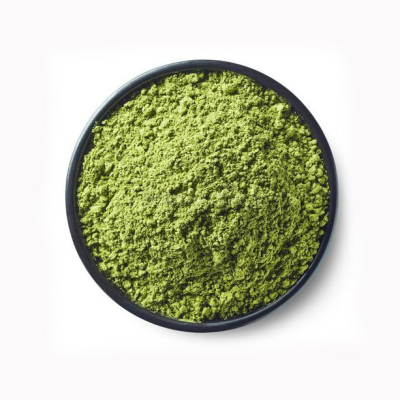
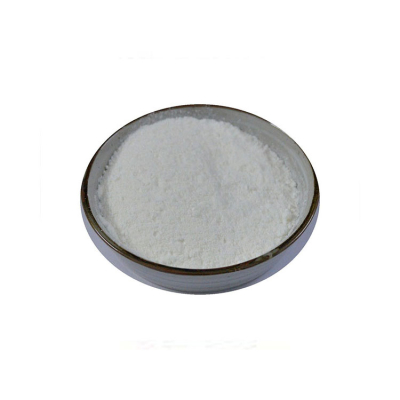
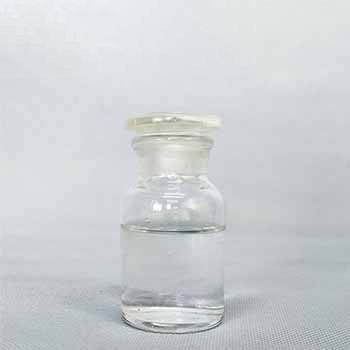
Hydroquinone (HQ), a key aromatic diol, is mainly used as a polymerization inhibitor, rubber antioxidant, pharmaceutical intermediate, and photographic developer. Global capacity is concentrated in Asia-Pacific (led by China), with production routes dominated by the cumene hydroperoxide process; stricter cosmetics regulations and the shift to greener H₂O₂ hydroxylation are reshaping the industry.
Global operational capacity is approximately 230,000–250,000 MT/year, with production volume at ~228,000 MT in 2024.
Polymers (36.04% of demand): Dominant use as a polymerization inhibitor for styrene/acrylate monomers; projected CAGR 4.79% through 2030.
Rubber Processing (~25%): Antioxidant extending rubber product lifespan; supported by 2.7% annual growth in natural rubber production.
Pharmaceuticals & Fine Chemicals: Steady demand for APIs and intermediates; USP-grade supply led by Eastman Chemical.
Cosmetics (Constrained): Regulatory restrictions (e.g., EU ban on OTC skin-lightening products, FDA 2% concentration cap) limit growth, but industrial/medical uses offset declines.
Regulatory Pressures: Tighter safety rules on cosmetic use push manufacturers toward high-purity industrial/pharmaceutical grades.
Technology Shift: H₂O₂ hydroxylation gains traction for sustainability; Honeywell’s automated purification cuts impurities by 50%.
Supply Chain Dynamics: Asia-Pacific (China/India) dominates cost-competitive industrial-grade exports; Western producers focus on specialty grades.
Market Growth: Global market valued at ~USD 537–560 million in 2024, with a CAGR of 1.2–4.6% (varies by segment); projected to reach USD 598–630 million by 2030.
China Export Highlights (2022): 3,605.82 MT exported, worth USD 35.14 million; top destinations: India, Poland, Russia, Germany, Côte d’Ivoire (71% of total).
Common Specifications: Industrial grade (99% min purity), high-purity grade (99.5% min); packaging: 25 kg bags, 50 kg drums, 1,000 kg IBCs.
HS Code: 29072210 (global standard for customs clearance).

 Español
 Português
 Русский
 العربية
 한국어
한국어
 日本語
日本語
 Français
 Deutsch
 ภาษาไทย