
 Español
 Português
 Русский
 العربية
 한국어
한국어
 日本語
日本語
 Français
 Deutsch
 ภาษาไทย

Isopropyl alcohol
Isopropyl Alcohol: A Hidden Champion in Multiple Applications
—A Versatile Solvent from Electronics Manufacturing to Everyday Cleaning
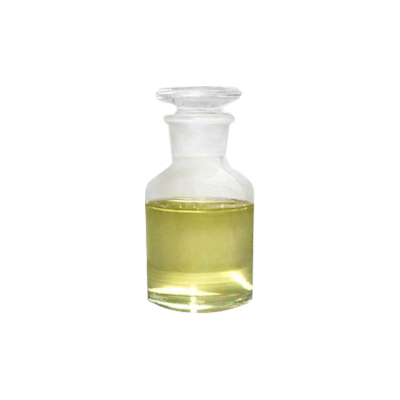
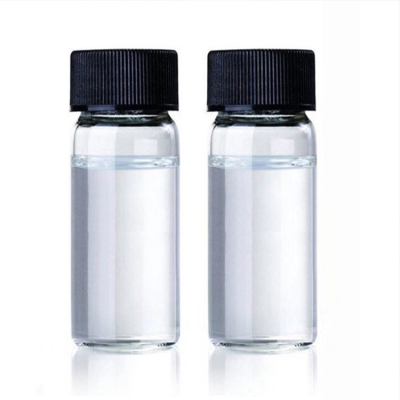
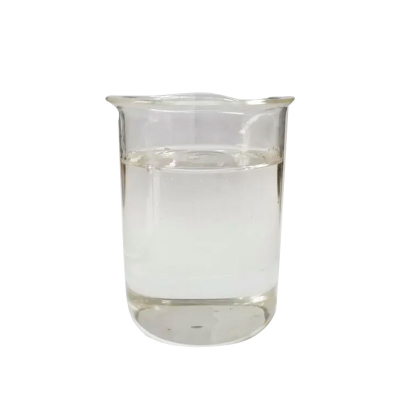
In the vast landscape of chemical products, isopropyl alcohol (IPA) may not be as eye-catching as plastics or steel, but it permeates every aspect of modern life as a "hidden champion." This colorless and transparent liquid, with its unique solubility, volatility, and safety, has become a core raw material in electronics, medical, and cleaning industries. With global industrial upgrading and increasing environmental protection demands, the application scenarios of isopropyl alcohol are continuously expanding, and its market value and technological innovation are attracting much attention.
I. Electronics Industry: A "Cleaning Guardian" for Precision Manufacturing
On the production lines of electronic products such as smartphones and computer chips, isopropyl alcohol is the "unsung hero" ensuring the stable operation of equipment. Its high purity (up to 99.99% or higher) effectively dissolves grease, dust, and flux residue on circuit boards, and leaves no trace after evaporation, avoiding the risk of short circuits or corrosion. For example, in semiconductor packaging, isopropanol is used to clean microparticles on wafer surfaces, ensuring chip performance; in mobile phone assembly, it wipes screens and cameras, improving product yield. With the surge in demand for 5G and IoT devices, the electronics industry's reliance on isopropanol continues to rise.
II. Medical Field: A Dual Role in Disinfection and Pharmaceuticals
Isopropanol's medical value is reflected in two main scenarios: First, as a key ingredient in topical disinfectants. Diluted to 70%, it can rapidly kill bacteria and viruses, and its irritation is lower than ethanol, commonly used for hospital instrument disinfection, wound cleaning, and hand hygiene. During the pandemic, the demand for isopropanol disinfectants increased significantly. Second, in the pharmaceutical industry, it acts as a solvent to help extract active plant components or synthesize drug intermediates. For example, in antibiotic production, isopropanol is used to purify active substances, ensuring drug stability.
III. Daily Chemicals and Cleaning: An All-Round Player from Home to Industry
Isopropanol's dissolving power makes it a versatile partner for daily chemical products. In cosmetics, it's used as a thinner to adjust the viscosity of perfumes and nail polishes; in the cleaning industry, it's used to remove stubborn stains. For example, in households, isopropyl alcohol can be used to clean keyboard crevices and CD surfaces, or diluted and used to wipe glass to prevent water stains. Industrially, printing plants use it to mix inks and improve drying speed; in automotive repair, it dissolves paint spots and restores the car's shine. Furthermore, isopropyl alcohol is added as an antifreeze to windshield washer fluid to prevent freezing in winter.
IV. Environmental Protection and Innovation: New Opportunities Under Green Transformation
With increasingly stringent global environmental regulations, the isopropyl alcohol industry is undergoing technological upgrades. Traditional production relies on the propylene hydration process, but this process is energy-intensive. Now, companies are synthesizing isopropyl alcohol through bio-fermentation or recycling waste materials, reducing carbon emissions. For example, chemical bases like Nantong are promoting closed-loop production systems, converting wastewater and waste gas into renewable raw materials, reducing environmental impact. Meanwhile, the research and development of high-purity isopropyl alcohol has become a focus to meet the needs of emerging fields such as new energy batteries and LCD panels.
V. Safety and Challenges: Balancing Benefits and Risks
Despite its wide range of applications, the flammability and toxicity of isopropanol require attention. Its vapor mixed with air can cause an explosion; therefore, it must be handled away from heat sources and in well-ventilated areas. Companies can mitigate risks through intelligent monitoring and employee training, such as installing gas detectors and providing protective equipment. Furthermore, price fluctuations are influenced by the crude oil market; data from 2025 shows that the price of isopropanol per ton will fluctuate between several thousand and tens of thousands of RMB. Companies need to optimize their supply chains to stabilize costs.
Conclusion: An Indispensable "Industrial Lifeline"
From electronic chips to medical gloves, from household cleaning to car maintenance, isopropanol subtly supports modern life. With technological advancements and deepening environmental demands, this traditional chemical is experiencing a resurgence. In the future, its applications may further expand, becoming a key link between green manufacturing and smart living.