
 Español
 Português
 Русский
 العربية
 한국어
한국어
 日本語
日本語
 Français
 Deutsch
 ภาษาไทย

News Release: A Market in Flux – Navigating Growth, Capacity, and Trade Dynamics in the Global SLES Sector
News Release: A Market in Flux – Navigating Growth, Capacity, and Trade Dynamics in the Global SLES Sector
FOR IMMEDIATE RELEASE
[Current Date] – The global market for Sodium Lauryl Ether Sulfate (SLES), a foundational surfactant identified by CAS number 68585-34-2, is navigating a complex period of robust demand, significant capacity, and unprecedented trade-related volatility. As the essential foaming and cleaning agent in countless shampoos, detergents, and industrial cleaners, SLES production and supply chains are being reshaped by macroeconomic forces, regional strategies, and a clear pivot toward sustainability. The industry is responding with strategic investments, supply chain recalibrations, and innovation to secure its growth trajectory, projected to reach between USD 1.96 and 2.02 billion by 2029.
A Robust and Expanding Global Market
The SLES industry is underpinned by strong, consistent growth drivers. The global market, valued between USD 1.46 and 1.48 billion in 2024, is forecast to grow at a Compound Annual Growth Rate (CAGR) of 4.5% to 6.9% in the coming years. In volume terms, consumption reached approximately 2.51 million tons in 2025 and is expected to grow to over 4 million tons by 2035.
This expansion is primarily fueled by unwavering demand from two core sectors:
Personal Care & Cosmetics: Accounting for 38-40% of the market, this segment is the largest consumer of high-purity, cosmetic-grade SLES.
Home & Industrial Cleaning: Representing 42% of the market, the demand for liquid detergents and cleaners continues to be a primary engine for SLES consumption.

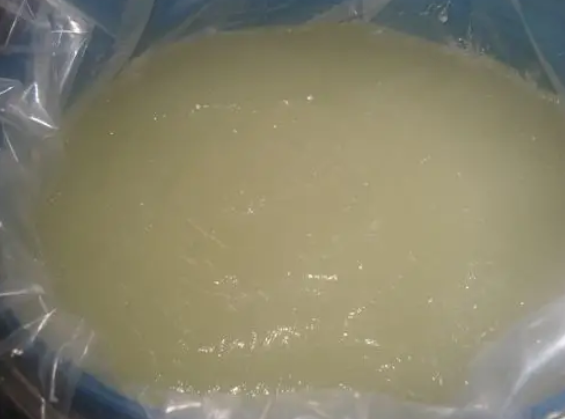
Regional Dynamics: Production Hubs vs. Premium Markets
The global SLES landscape is characterized by distinct regional roles, with Asia-Pacific firmly established as the dominant production and consumption hub. The region commands over 45% of the global market share, driven by massive manufacturing capacity, lower production costs, and booming domestic demand in countries like China and India. China alone is a pivotal player, with significant influence on global supply and pricing.
In contrast, Europe and North America represent mature, high-value markets with stringent regulatory environments. Europe, holding a 28% market share, leads in regulatory standards and the demand for sustainable, bio-based formulations. North America, valued at around USD 780 million in 2024, is characterized by high consumer spending on premium personal care and a strategic reassessment of supply chain security, with a noted trend toward increasing domestic production capacity to mitigate import risks.
Capacity, Pricing, and the Impact of Trade Policies
Global SLES production capacity is substantial, with annual output exceeding 1.2 million metric tons to meet the multi-million-ton demand. However, the market is currently defined by significant price volatility and regional disparities directly influenced by trade policies and feedstock costs.
Recent tariff implementations, particularly affecting trade between the U.S., China, and other regions, have introduced new costs and complexities. For example, as of Q1 2025, SLES prices varied dramatically:
| Region | Representative Price (USD/MT, March 2025) | Key Influencing Factors |
|---|---|---|
| Germany | 1,356 | High regulatory costs, strong premium demand, import dependency |
| United States | 814 | Steady domestic demand, balanced feedstock supply |
| China | 985 | Strong local demand, volatile ethylene oxide and oil prices |
| South Korea | 895 | Stable local supply, influenced by global shipping |
These tariffs, coupled with fees on specific shipping vessels, are compelling companies to diversify suppliers, consider regional production shifts, and absorb increased logistics costs.
Strategic Shifts and Future Outlook
In response to these challenges, the industry is undergoing several strategic transformations:
Supply Chain Regionalization: To build resilience, companies are strengthening local supply chains and exploring nearshoring production. In North America, there is a marked strategic pivot towards increasing domestic manufacturing to reduce reliance on lengthy international supply lines.
Investment in Sustainability: The push for "clean label" ingredients and biodegradable formulations is a major trend. Nearly 20% of market trends are driven by demand for eco-friendly SLES, leading to investments in bio-based feedstocks (like coconut oil) and advanced purification technologies to reduce impurities such as 1,4-dioxane.
Product Innovation: Leaders are focusing on developing specialized SLES grades, such as ultra-low residue variants for rinse-free products or enzyme-compatible blends for advanced detergents, to cater to evolving consumer preferences and regulatory benchmarks.
Industry Consolidation: The market is relatively consolidated, with the top five manufacturers controlling an estimated 58% of the market share. Strategic acquisitions and partnerships, such as Clariant's acquisition of Lucas Meyer Cosmetics, are common as firms seek to expand portfolios and technological expertise.
Conclusion
The SLES market remains fundamentally strong, driven by indispensable applications in daily consumer goods. However, its path forward is now intricately linked to navigating trade policy landscapes, escalating sustainability mandates, and evolving supply chain logic. Companies that successfully invest in flexible, localized, and greener production capabilities are best positioned to thrive in this new era of chemical manufacturing.
Long-Tail Keywords for Industry Analysis: Sodium Lauryl Ether Sulfate market size 2025 forecast, SLES production capacity Asia Pacific, impact of US-China tariffs on surfactant imports, cosmetic grade vs industrial grade SLES market share, bio-based SLES production investments, sodium laureth sulfate price trend Q1 2025, sustainable surfactant manufacturing trends, supply chain strategies for SLES procurement, Europe SLES regulatory environment REACH, North America domestic SLES production growth.