
 Español
 Português
 Русский
 العربية
 한국어
한국어
 日本語
日本語
 Français
 Deutsch
 ภาษาไทย

What is dimethyl disulfide?
Dimethyl Disulfide (DMDS): Comprehensive Technical Overview
1. Introduction
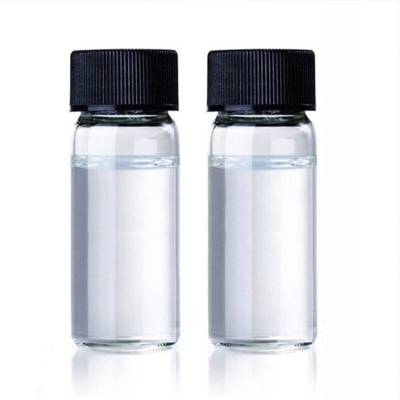
Dimethyl Disulfide (DMDS), with the chemical formula CH₃SSCH₃, is a volatile organic sulfur compound belonging to the family of dialkyl disulfides. It is a clear, colorless to pale yellow liquid characterized by a strong, unpleasant, garlic-like or cabbage-like odor, even at very low concentrations. DMDS occurs naturally in trace amounts in various plants (e.g., onions, garlic), certain foods, and microbial processes, but its industrial significance stems from its synthesized form.
Primarily, DMDS is a versatile specialty chemical with two major industrial roles. First, it serves as a powerful sulfiding agent in the petroleum refining and petrochemical industries, crucial for activating and maintaining the activity of hydroprocessing catalysts. Second, it is employed as a highly effective soil fumigant and nematicide in agriculture, offering a viable alternative to methyl bromide. Its reactivity, stemming from the relatively weak sulfur-sulfur (S-S) bond, makes it a valuable intermediate in organic synthesis for introducing methylthio (-SCH₃) groups or generating methane thiol.
2. Physical and Chemical Properties
A detailed understanding of DMDS's properties is essential for safe handling and process integration.
Molecular Formula: C₂H₆S₂
Molecular Weight: 94.20 g/mol
CAS Registry Number: 624-92-0
Physical State & Appearance: Clear, mobile liquid. Colorless when pure but may appear pale yellow.
Odor: Pungent, intense, characteristic sulfide odor.
Boiling Point: 109.7°C (229.5°F) at 101.3 kPa. This is a key identifier.
Melting Point / Freezing Point: -84.7°C (-120.5°F)
Flash Point: 16°C (61°F) (Tag Closed Cup). This classifies DMDS as a Flammable Liquid (Category 2).
Auto-ignition Temperature: ~300°C (572°F)
Vapor Pressure: 3.9 kPa (29.2 mmHg) at 20°C. Indicates moderate volatility.
Density: 1.062 g/cm³ at 20°C. It is denser than water.
Water Solubility: Slightly soluble. Approximately 2.5 g/L at 20°C. It is miscible with most organic solvents (alcohols, ethers, hydrocarbons).
Refractive Index (n²⁰D): 1.525 - 1.530
Viscosity: ~0.6 mPa·s (cP) at 20°C.
Key Chemical Properties:
Stability: Stable under recommended storage conditions (cool, ventilated). However, it can decompose at high temperatures (>300°C) or upon prolonged exposure to light/air, potentially forming sulfur-containing byproducts.
Reactivity: The central S-S bond is susceptible to cleavage.
Oxidation: Can be oxidized to dimethyl trisulfide or sulfoxides/sulfones.
Reduction: Can be reduced to methanethiol (CH₃SH).
Thermal Decomposition: At high temperatures, decomposes to methanethiol, sulfur, and other light hydrocarbons.
Incompatibilities: Strong oxidizing agents (risk of violent reaction), strong acids, strong bases, and certain metals like brass or copper which can catalyze decomposition. Compatible with stainless steel (316, 304), aluminum, and polyethylene/polypropylene.
3. Technical Specifications & Typical Analysis
Commercial-grade DMDS is typically supplied with a minimum purity of 98.0% to 99.5%. The following table outlines a typical specification sheet:
| Parameter | Specification / Typical Value | Test Method |
|---|---|---|
| Purity (DMDS) | ≥ 98.5 % w/w | GC-FID |
| Water Content | ≤ 0.05 % w/w (500 ppm) | Karl Fischer Titration |
| Specific Gravity (20/4°C) | 1.060 - 1.065 | ASTM D4052 |
| Distillation Range (IBP - DP) | 108°C - 111°C | ASTM D1078 |
| Methanethiol (as impurity) | ≤ 0.10 % w/w | GC-FID |
| Dimethyl Sulfide (as impurity) | ≤ 0.20 % w/w | GC-FID |
| Dimethyl Trisulfide (as impurity) | ≤ 0.50 % w/w | GC-FID |
| Total Chlorides (as Cl) | ≤ 10 mg/kg | Microcoulometry |
| Non-volatile Residue | ≤ 0.01 % w/w | Gravimetric |
| Appearance | Clear, free of suspended matter | Visual |