
 Español
 Português
 Русский
 العربية
 한국어
한국어
 日本語
日本語
 Français
 Deutsch
 ภาษาไทย

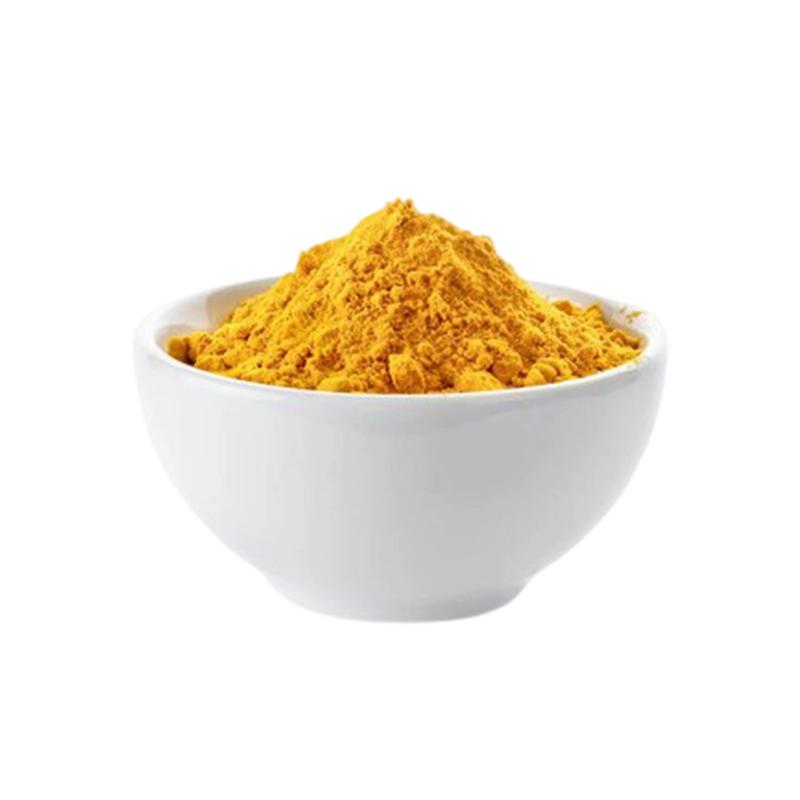
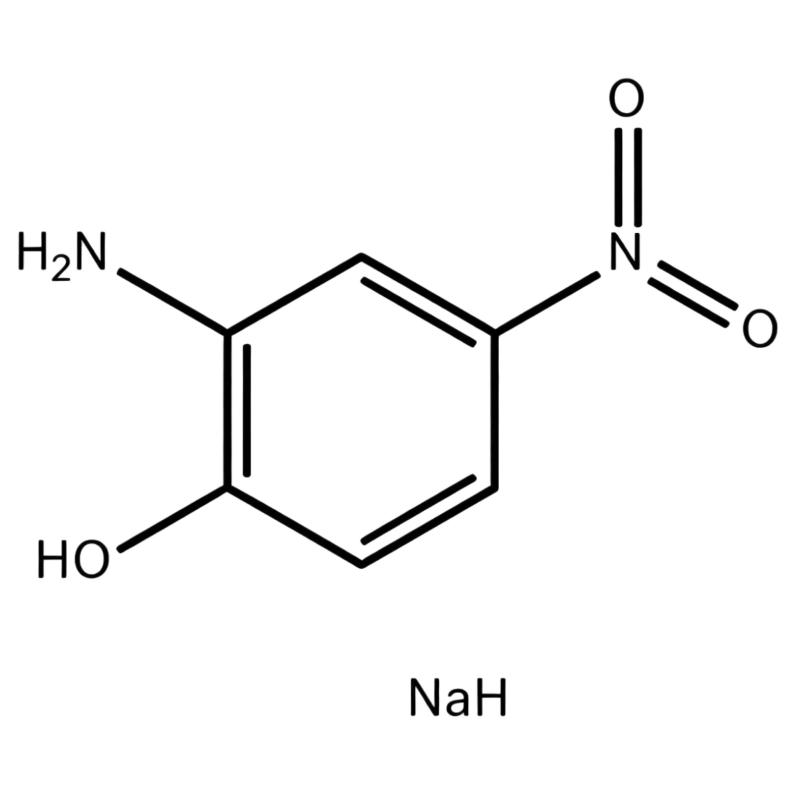

2-Amino-4-nitrophenol Sodium Salt CAS#61702-43-0
| Product Name: | Sodium 2-amino-4-nitrophenolate |
| Synonyms: | 2-amino-4-nitro-phenomonosodiumsalt;2-amino-4-nitro-phenosodiumsalt;2-Amino-4-nitrophenylsodium;ortho,para-aminonitrophenol,selsodique;Phenol,2-amino-4-nitro-,monosodiumsalt;sodium2-amino-4-nitrophenol;SODIUM 2-AMINO-4-NITROPHENOXIDE;P-NITRO-O-AMINOPHENOL, NA SALT |
| CAS: | 61702-43-0 |
| MF: | C6H7N2NaO3 |
| MW: | 178.12 |
| EINECS: | 262-914-8 |
| Product Categories: | Intermediates of Dyes and Pigments;VX:15169101773 |
| Mol File: | 61702-43-0.mol |
Products Description of 2-Amino-4-nitrophenol Sodium Salt CAS#61702-43-0
2-Amino-4-nitrophenol Sodium Salt CAS#61702-43-0 is classified as a hazardous substance and should be handled with appropriate safety precautions. It may cause skin and eye irritation upon contact, and inhalation of dust should be avoided. Proper personal protective equipment including gloves, safety goggles, and dust masks should be used during handling.

2-Amino-4-nitrophenol Sodium Salt CAS#61702-43-0 Chemical Properties
| Melting point | 80~90℃ |
| Boiling point | 368° |
| storage temp. | Keep in dark place,Inert atmosphere,Room temperature |
| InChI | InChI=1S/C6H6N2O3.Na.H/c7-5-3-4(8(10)11)1-2-6(5)9;;/h1-3,9H,7H2;; |
| InChIKey | CSSZGUZOYRNYPQ-UHFFFAOYSA-N |
| SMILES | N(C1C=CC(O)=C(N)C=1)(=O)=O.[NaH] |
| CAS DataBase Reference | 61702-43-0(CAS DataBase Reference) |
| EPA Substance Registry System | Phenol, 2-amino-4-nitro-, monosodium salt (61702-43-0) |
Product Application of 2-Amino-4-nitrophenol Sodium Salt CAS#61702-43-0
Preparation Method:
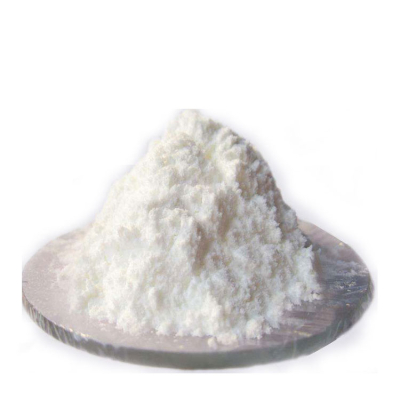
2-Amino-4-nitrophenol Sodium Salt is typically produced by the alkaline neutralization of 2-amino-4-nitrophenol with sodium hydroxide or sodium carbonate in aqueous or alcoholic media. The parent compound, 2-amino-4-nitrophenol, is commonly synthesized via the partial reduction of 2,4-dinitrophenol using sodium sulfide or other selective reducing agents, followed by acidic workup. The resulting 2-amino-4-nitrophenol is then dissolved in an alkali solution to form the corresponding sodium salt, which is isolated by evaporation, crystallization, or spray-drying. Alternative routes include the nitration of o-aminophenol derivatives under controlled conditions, though this is less common due to selectivity issues. The final product is typically obtained as a dark crystalline powder with a purity of ≥98% for commercial applications.
Main Application Areas:
Dye and Pigment Intermediates: Widely used as a key intermediate in the synthesis of azo dyes, mordant dyes, and acid dyes, particularly for textile and leather coloration. It imparts specific shade and fastness properties.
Photographic Chemicals: Employed in certain photographic developer formulations and as a color coupler intermediate in silver halide photography.
Corrosion Inhibitors: Used in some industrial coating formulations as an additive to inhibit metal corrosion.
Organic Synthesis: Serves as a building block for the preparation of pharmaceuticals, agrochemicals, and other fine chemicals due to its reactive amino and nitro functional groups.
Safety Information:
2-Amino-4-nitrophenol Sodium Salt is a skin and eye irritant. Prolonged or repeated contact may cause sensitization or dermatitis. Inhalation of dust may irritate the respiratory tract. It is harmful if swallowed and may cause methemoglobinemia due to the nitroaromatic moiety. The compound is combustible; thermal decomposition may release toxic fumes including nitrogen oxides (NOₓ) and carbon monoxide. Dust can form explosive mixtures with air under certain conditions. Use adequate local exhaust ventilation and personal protective equipment (gloves, goggles, dust mask). Recommended occupational exposure limits (for the parent amine or dust) are generally in the range of 1–5 mg/m³ (8‑h TWA) where established; check local regulations. Store in a cool, dry, well-ventilated area, away from strong oxidizers, acids, and sources of ignition. Keep containers tightly closed to prevent moisture absorption. Under normal transport conditions, it may be classified as an environmentally hazardous substance; consult relevant shipping regulations (e.g., IATA, IMDG) for proper packaging and labeling.
Upstream and Downstream Product Information:
Upstream: Key raw materials include 2,4-Dinitrophenol (CAS# 51-28-5) or 2-Amino-4-nitrophenol (CAS# 99-57-0), along with Sodium Hydroxide (CAS# 1310-73-2) or Sodium Carbonate (CAS# 497-19-8) for salt formation. Reducing agents such as sodium sulfide are used in the precursor synthesis.
Downstream: Primary downstream products include various azo dyes, acid dyes, and pigment derivatives. It is also used as an intermediate for certain pharmaceutical compounds, photographic couplers, and specialty organic chemicals.
Factory and Equipment Show


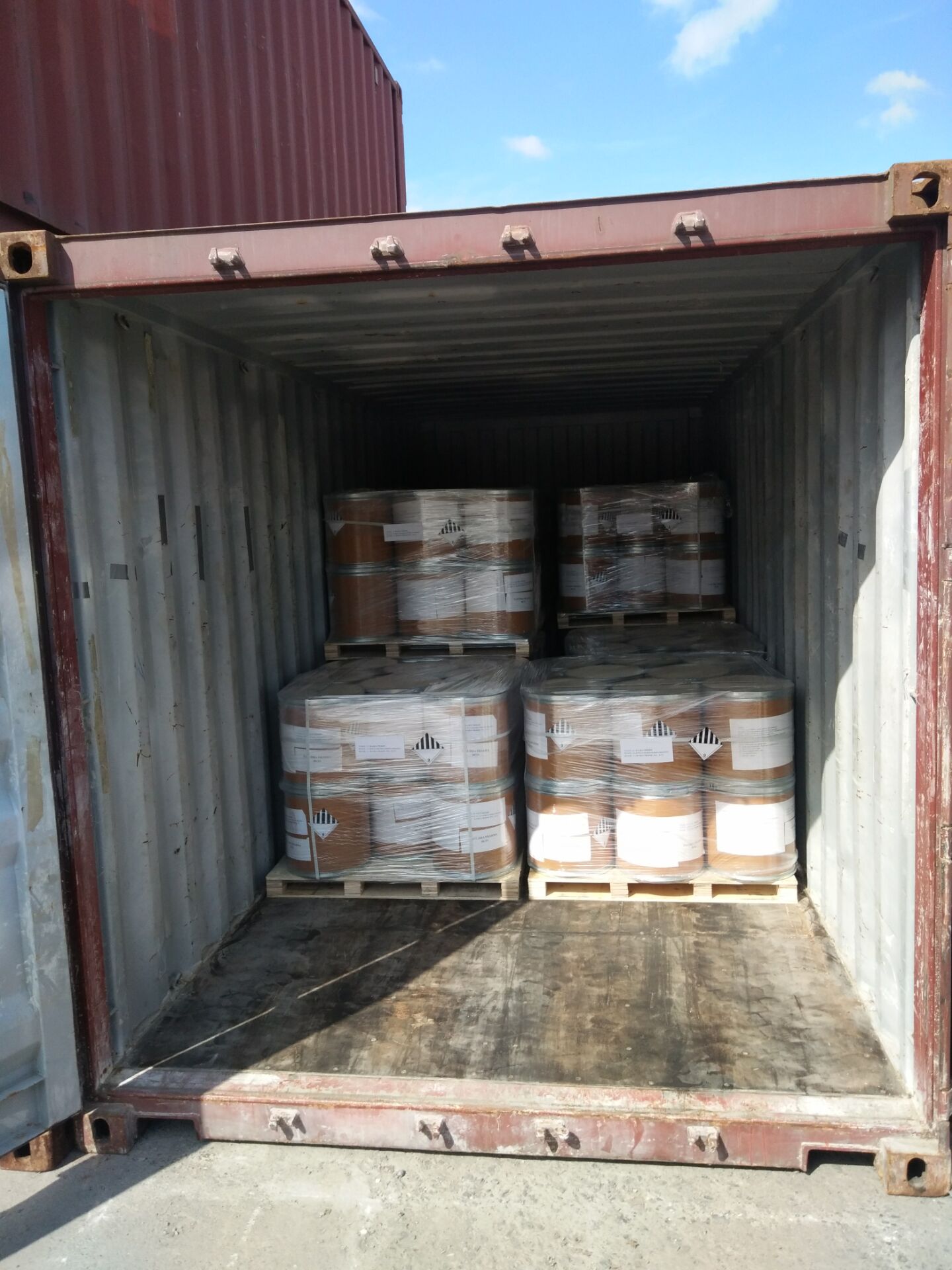
Fast delivery time
Inventory 2-3 working days New production 7-10 working days