 Español
 Português
 Русский
 العربية
 한국어
한국어
 日本語
日本語
 Français
 Deutsch
 ภาษาไทย

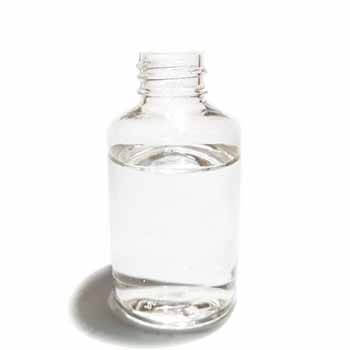
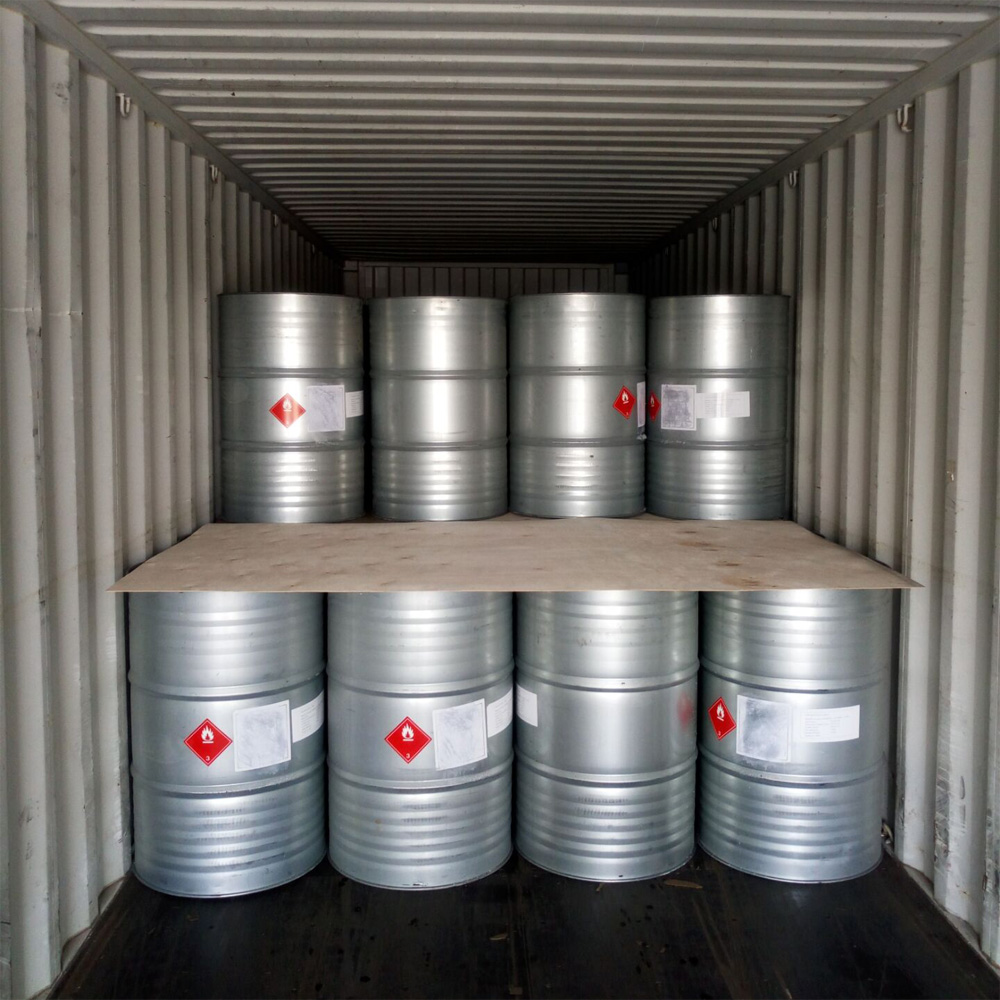
n-Propyl acetate CAS 109-60-4
| CAS: | 109-60-4 |
| MF: | C5H10O2 |
| MW: | 102.13 |
| EINECS: | 203-686-1 |
MOQ (Minimum Order Quantity): 1 FCL (Full Container Load)
n-Propyl acetate CAS 109-60-4
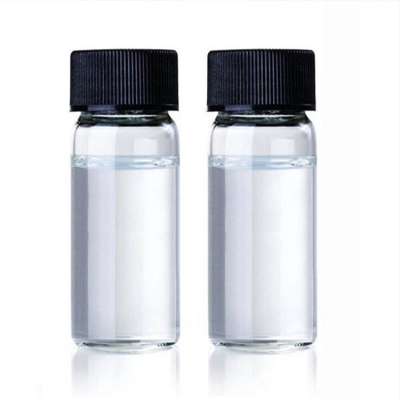
Propyl acetate, also known as propyl acetate, n-propyl acetate, or propyl acetate ester, is a colorless, clear liquid with a mild fruity aroma. It is naturally found in strawberries, bananas, and tomatoes. It is soluble in most organic solvents, including alcohols, ketones, esters, and oils, and slightly soluble in water. Propyl acetate has two isomers: n-propyl acetate and isopropyl acetate. Both are colorless, free-flowing, transparent liquids with a fruity aroma. Both are found in nature. According to Merck, the acute toxicity data for propyl acetate is: oral LD50 9.37 g/kg (rat).
| Melting point | -95 °C (lit.) |
| Boiling point | 102 °C (lit.) |
| density | 0.888 g/mL at 25 °C (lit.) |
| vapor density | 3.5 (vs air) |
| vapor pressure | 25 mm Hg ( 20 °C) |
| refractive index | n |
| FEMA | 2925 | PROPYL ACETATE |
| Fp | 55 °F |
| storage temp. | Store below +30°C. |
| solubility | water: soluble |
| form | Liquid |
| Specific Gravity | 0.889 (20/4℃) |
| color | APHA: ≤15 |
| Odor | Mild fruity. |
| Odor Type | fruity |
| biological source | synthetic |
| Odor Threshold | 0.24ppm |
| explosive limit | 1.7%, 37°F |
| Water Solubility | 2g/100 mL (20 ºC) |
| Thermal Conductivity | 0.135 W/(m·K) at 25 ℃ |
| Merck | 14,7841 |
| JECFA Number | 126 |
| BRN | 1740764 |
| Henry's Law Constant | 5.54 at 37 °C (static headspace-GC, van Ruth et al., 2001) |
| Exposure limits | TLV-TWA 200 ppm (~840 mg/m3) (ACGIH, MSHA, and OSHA); TLV-STEL 250 ppm (~1050 mg/m3) (ACGIH); IDLH 8000 ppm (NIOSH). |
| Dielectric constant | 6.3(20℃) |
| Stability: | Stable. Highly flammable. May react violently with oxidizing agents. May form explosive mixtures with air. Incompatible with strong oxidizing agents, acids, bases. |
| Cosmetics Ingredients Functions | PERFUMING SOLVENT |
| InChI | 1S/C5H10O2/c1-3-4-7-5(2)6/h3-4H2,1-2H3 |
| InChIKey | YKYONYBAUNKHLG-UHFFFAOYSA-N |
| SMILES | CCCOC(C)=O |
| LogP | 1.4 at 25℃ |
| Surface tension | 23.99mN/m at 298.15K |
| CAS DataBase Reference | 109-60-4(CAS DataBase Reference) |
| NIST Chemistry Reference | n-Propyl acetate(109-60-4) |
| EPA Substance Registry System | Propyl acetate (109-60-4) |
| Safety Information |
| Hazard Codes | F,Xi |
| Risk Statements | 11-36-66-67 |
| Safety Statements | 16-26-29-33 |
| OEB | A |
| OEL | TWA: 200 ppm (840 mg/m3), STEL: 250 ppm (1050 mg/m3) |
| RIDADR | UN 1276 |
| WGK Germany | 1 |
| RTECS | AJ3675000 |
| Autoignition Temperature | 842 °F |
| Hazard Note | Irritant/Highly Flammable |
| TSCA | TSCA listed |
| HS Code | 2915 39 00 |
| HazardClass | 3 |
| PackingGroup | II |
| Storage Class | 3 - Flammable liquids |
| Hazard Classifications | Eye Irrit. 2 Flam. Liq. 2 STOT SE 3 |
| Hazardous Substances Data | 109-60-4(Hazardous Substances Data) |
| Toxicity | LD50 in rats, mice (mg/kg): 9370, 8300 orally (Jenner) |
| IDLA | 1,700 ppm |
Product Application of CAS#109-60-4
Propyl acetate, also known as propyl acetate, n-propyl acetate, or propyl acetate ester, is a colorless, clear liquid with a mild fruity aroma. It is naturally found in strawberries, bananas, and tomatoes. It is soluble in most organic solvents, including alcohols, ketones, esters, and oils, and slightly soluble in water. Propyl acetate has two isomers: n-propyl acetate and isopropyl acetate. Both are colorless, free-flowing, transparent liquids with a fruity aroma. Both are found in nature. According to Merck, the acute toxicity data for propyl acetate is: oral LD50 9.37 g/kg (rat).
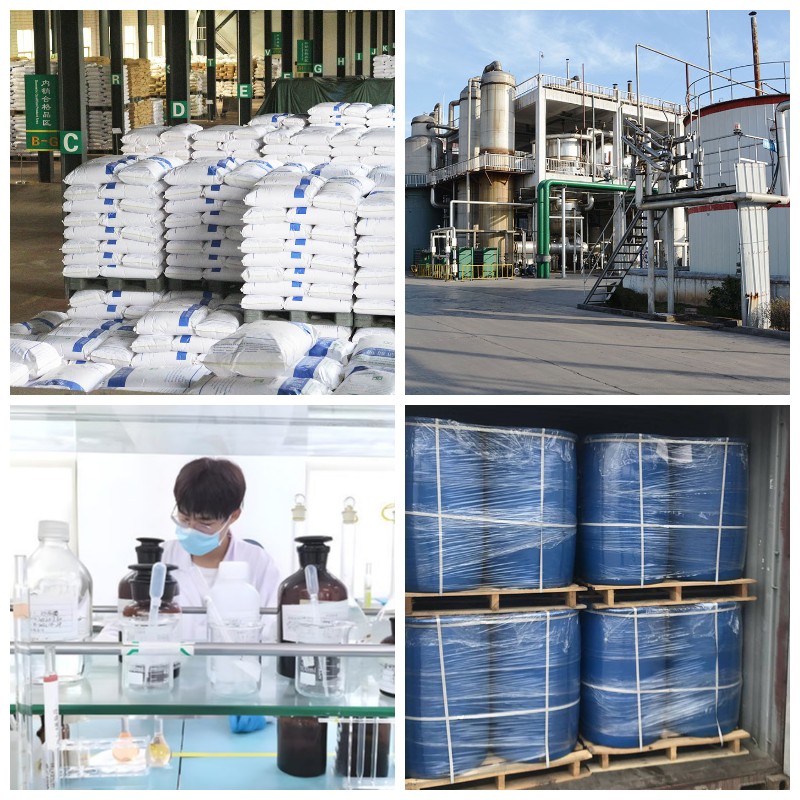
Fast delivery time
Inventory 2-3 working days New production 7-10 working days