
 Español
 Português
 Русский
 العربية
 한국어
한국어
 日本語
日本語
 Français
 Deutsch
 ภาษาไทย


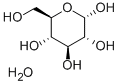
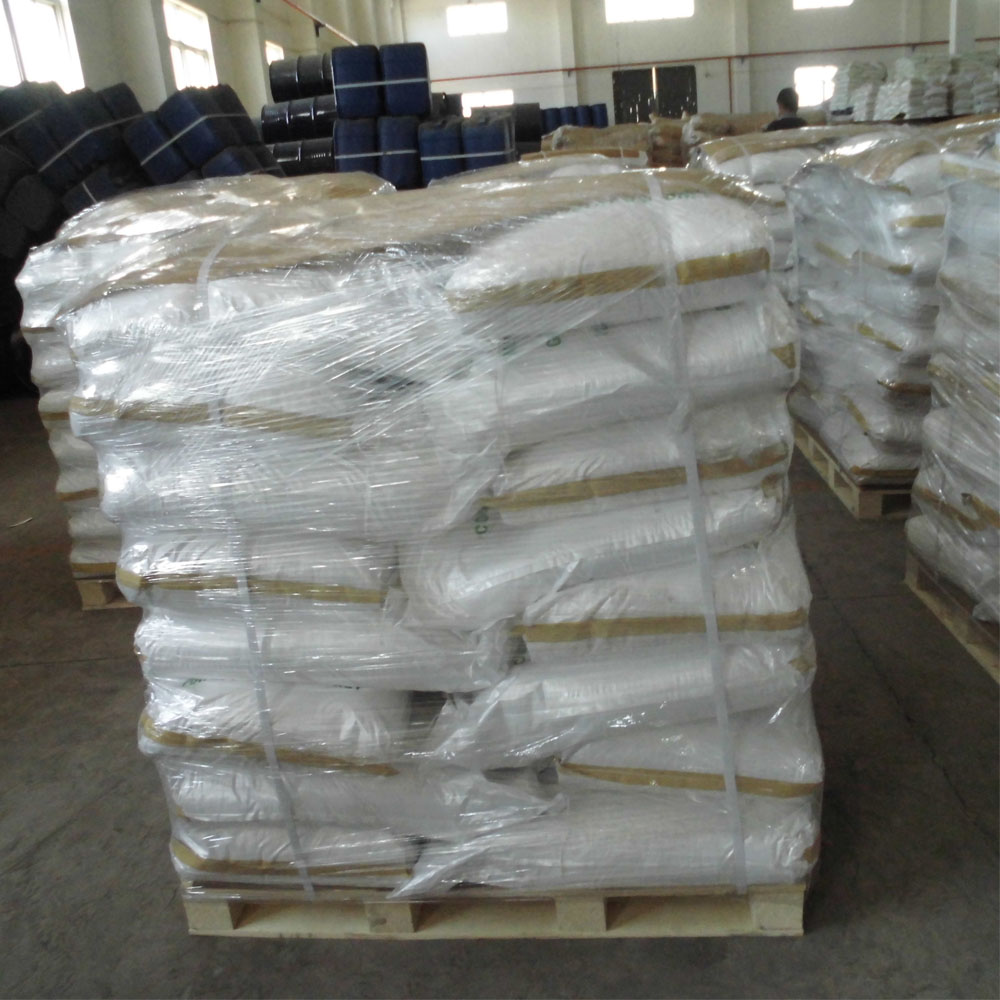
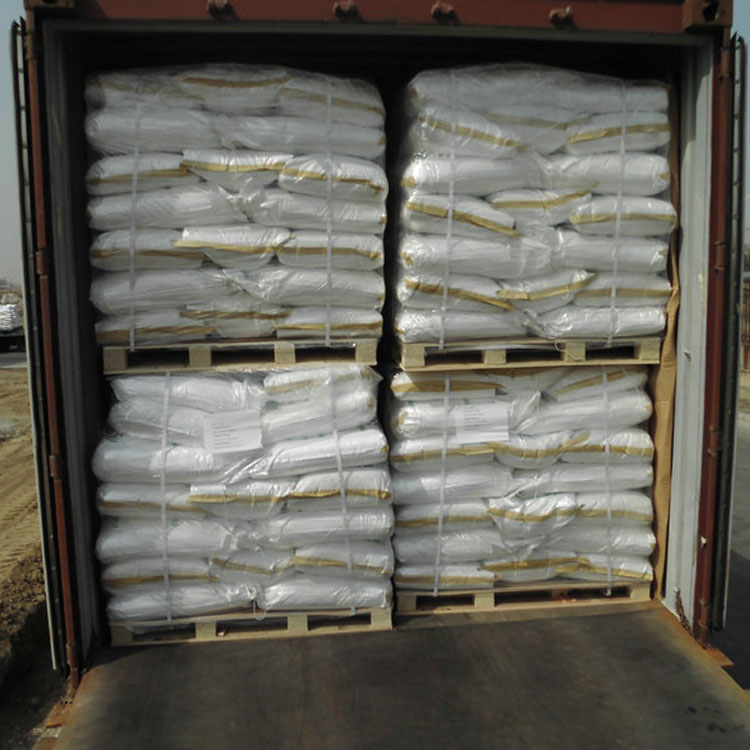
Glucose Monohydrate CAS#5996-10-1
CAS: 5996-10-1
MF: C6H14O7
MW: 198.17
EINECS: 611-920-2
MOQ (Minimum Order Quantity): 1 FCL (Full Container Load)
Glucose Monohydrate CAS#5996-10-1
Glucose Monohydrate, commonly known as glucose or dextrose, has several microbiological applications. It is used as a carbon source in microbial culture media to promote the growth and propagation of various microorganisms. Glucose is a simple sugar and a primary energy source for bacterial cell metabolism. It is a common natural sugar involved in processes such as energy production, glycosylation, and formation of glycans that provide structure to cells. It is involved in a detrimental process in cells called glycation.
| Glucose Monohydrate Chemical Properties |
| Melting point | 83°C |
| density | 1.54 |
| solubility | Freely soluble in water, sparingly soluble in ethanol (96 per cent). |
| form | Solid |
| color | Colorless crystals |
| Odor | Odorless |
| PH Range | 5.9 |
| Water Solubility | 1 g/1.1 ml water @ 250C |
| Cosmetic Ingredient Review (CIR) | D-Glucose monohydrate (5996-10-1) |
| InChI | InChI=1/C6H12O6.H2O/c7-1-2-3(8)4(9)5(10)6(11)12-2;/h2-11H,1H2;1H2/t2-,3-,4+,5-,6+;/s3 |
| InChIKey | OSNSWKAZFASRNG-YDLLFKKHNA-N |
| SMILES | [C@H]1(CO)O[C@@H]([C@H](O)[C@@H](O)[C@@H]1O)O.O |&1:0,4,5,7,9,r| |
| CAS DataBase Reference | 5996-10-1(CAS DataBase Reference) |
| Safety Information |
| HS Code | 17023051 |
Glucose is a monosaccharide sugar found in honey and fruits. It is the primary product of plant photosynthesis, which is optically active and dextrorotatory.
Glucose and its derivatives are critically important in the energy metabolism of living organisms. It is transported around the animal body through blood, and by lymph and cerebrospinal fluid, to cells where the energy is released during glycolysis.
Fructose, the stereoisomer of glucose, occurs in green plants, fruits and honey. It is sweeter than sucrose.
Yeasts readily ferment glucose to produce ethyl alcohol and carbon dioxide. It is also metabolized by bacteria into acetic and butyric acids, lactic acid, butyl alcohol, acetone, hydrogen, carbon dioxide and many other compounds.
Plants and animals convert complex carbohydrates (like starch and glycogen) into glucose to meet their energy needs. Glucose is produced commercially by hydrolysing corn starch with dilute mineral acid. Commercial glucose is mostly used in the manufacture of confections and in the canning industry.
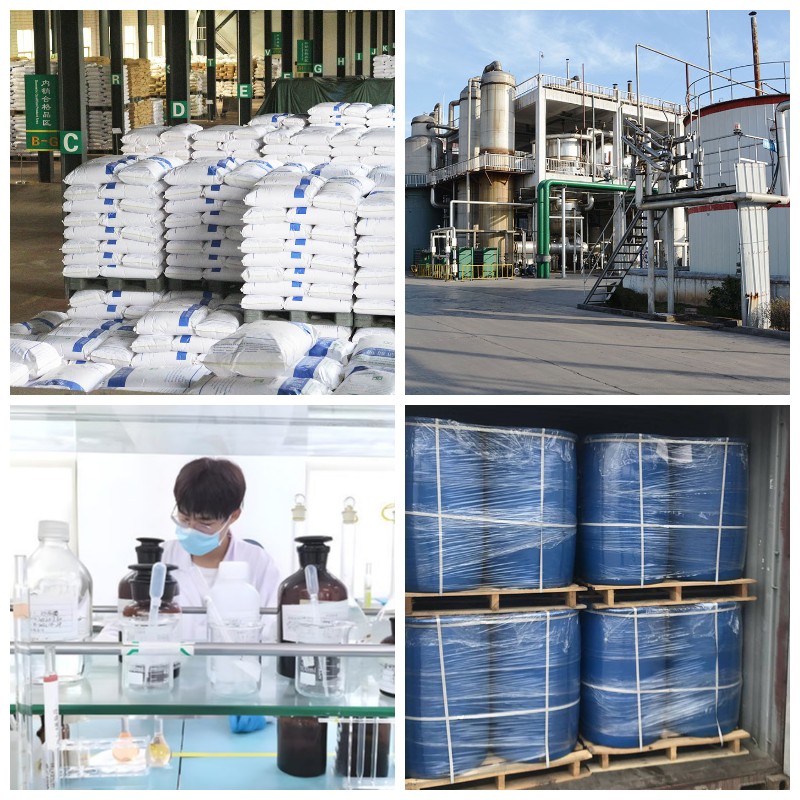
Fast delivery time
Inventory 2-3 working days New production 7-10 working days