
 Español
 Português
 Русский
 العربية
 한국어
한국어
 日本語
日本語
 Français
 Deutsch
 ภาษาไทย

Citric Acid: Product Introduction, Technical Parameters and Specifications Detailed Explanation
2025/12/16 16:30
Citric Acid: A Versatile Industrial Essential – Product Introduction and Technical Specifications
December 16, 2025 – Citric acid, a naturally occurring organic acid widely recognized for its versatility and safety, has become a cornerstone in numerous industries ranging from food and beverage to pharmaceuticals and cosmetics. As global demand for high-quality, multi-functional ingredients continues to rise, a comprehensive understanding of citric acid's properties, applications, and technical specifications is essential for industry professionals. This report delves into the core attributes and detailed technical parameters of this indispensable product.
Product Overview: Nature, Sources and Core Advantages
Citric acid (chemical formula: C₆H₈O₇) is a tricarboxylic acid that exists naturally in citrus fruits such as lemons, oranges, and limes – typically ranging from 5% to 8% in the juice of these fruits. Today, the commercial production of citric acid primarily relies on microbial fermentation, with Aspergillus niger used to ferment carbohydrate-rich raw materials like corn starch, molasses, and cassava. This fermentation process ensures high purity, stable quality, and large-scale production capacity to meet global industrial needs.
One of the key advantages of citric acid lies in its dual functionality as both an acidulant and a chelating agent. Its ability to adjust pH levels effectively makes it ideal for enhancing flavors and preserving products, while its capacity to bind metal ions helps improve product stability and extend shelf life. Additionally, citric acid is recognized as safe (GRAS) by the U.S. Food and Drug Administration (FDA) and meets strict standards from the World Health Organization (WHO), making it suitable for use in food, pharmaceutical, and personal care products.
In terms of applications, citric acid's versatility shines across multiple sectors. In the food and beverage industry, it is used as a flavor enhancer in soft drinks, a preservative in jams and pickles, and a pH adjuster in dairy products. The pharmaceutical industry utilizes it as an excipient in tablets and capsules to improve solubility and stability. In cosmetics, it acts as a pH regulator in skincare products and shampoos. It also finds use in industrial cleaning agents due to its ability to dissolve mineral deposits and in water treatment as a chelating agent to prevent scale formation.
Technical Parameters and Specifications: Ensuring Quality and Consistency
To meet the diverse needs of different industries, citric acid is available in two main commercial forms: anhydrous citric acid (water-free) and monohydrate citric acid (containing one molecule of water of crystallization). Each form has distinct physical properties and technical specifications, tailored to specific application scenarios. The following table details the key technical parameters for both forms, adhering to international standards such as BP (British Pharmacopoeia), USP (United States Pharmacopeia), and FCC (Food Chemicals Codex).
Technical Parameter | Anhydrous Citric Acid | Monohydrate Citric Acid | Test Standard |
|---|---|---|---|
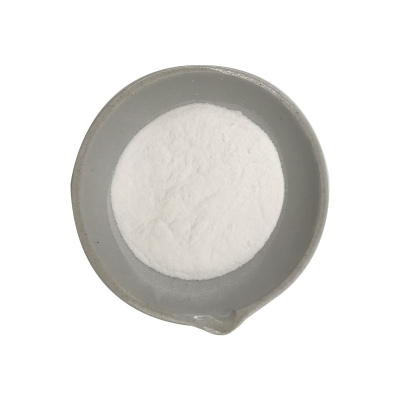
Appearance | Colorless or white crystalline powder | Colorless or white granular crystals | Visual inspection |
Assay (purity) | ≥99.5% | ≥99.0% | Titration method |
Melting Point | 153-159°C | 100-133°C (loses crystal water) | Melting point apparatus |
Loss on Drying | ≤0.5% | 7.5-9.0% (crystal water content) | 105°C oven drying |
pH Value (1% aqueous solution) | 2.2-2.5 | 2.2-2.5 | pH meter |
Heavy Metals (as Pb) | ≤10 ppm | ≤10 ppm | Atomic absorption spectrometry |
Arsenic (As) | ≤1 ppm | ≤1 ppm | Silver diethyldithiocarbamate method |
Sulfated Ash | ≤0.1% | ≤0.1% | Ignition at 800±25°C |
Solubility | Soluble in water (1g/1mL), ethanol (1g/10mL) | Soluble in water (1g/0.5mL), ethanol (1g/10mL) | Solubility test |
Additional Specifications for Industrial Application
Particle Size Distribution: For monohydrate citric acid, typical particle sizes range from 20 to 80 mesh (customizable based on customer needs). Anhydrous citric acid is often available in 40-100 mesh powder for easy dissolution.
Sterility: Pharmaceutical-grade citric acid meets sterility requirements (≤10 CFU/g) for use in injectable formulations, while food-grade products adhere to microbiological limits (total plate count ≤1000 CFU/g, no coliforms).
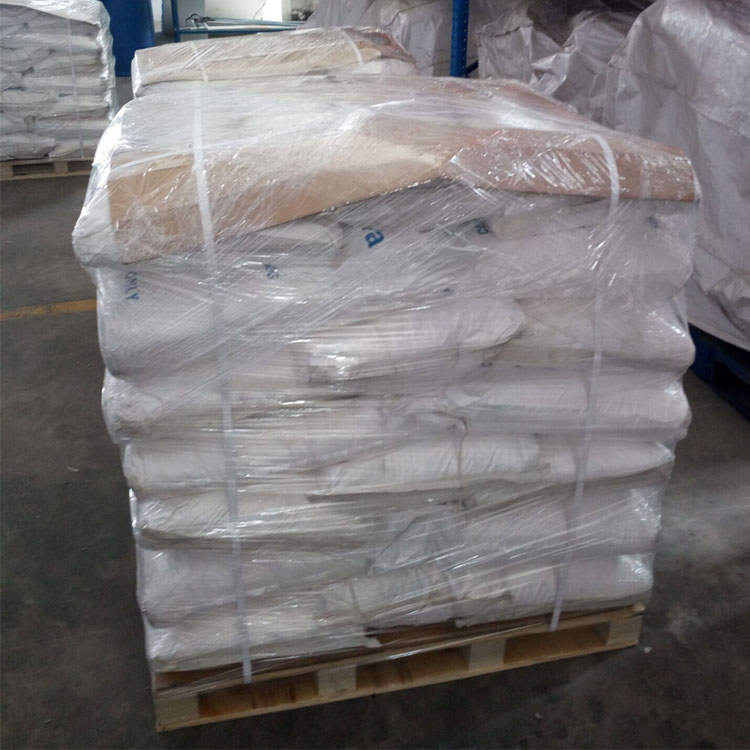
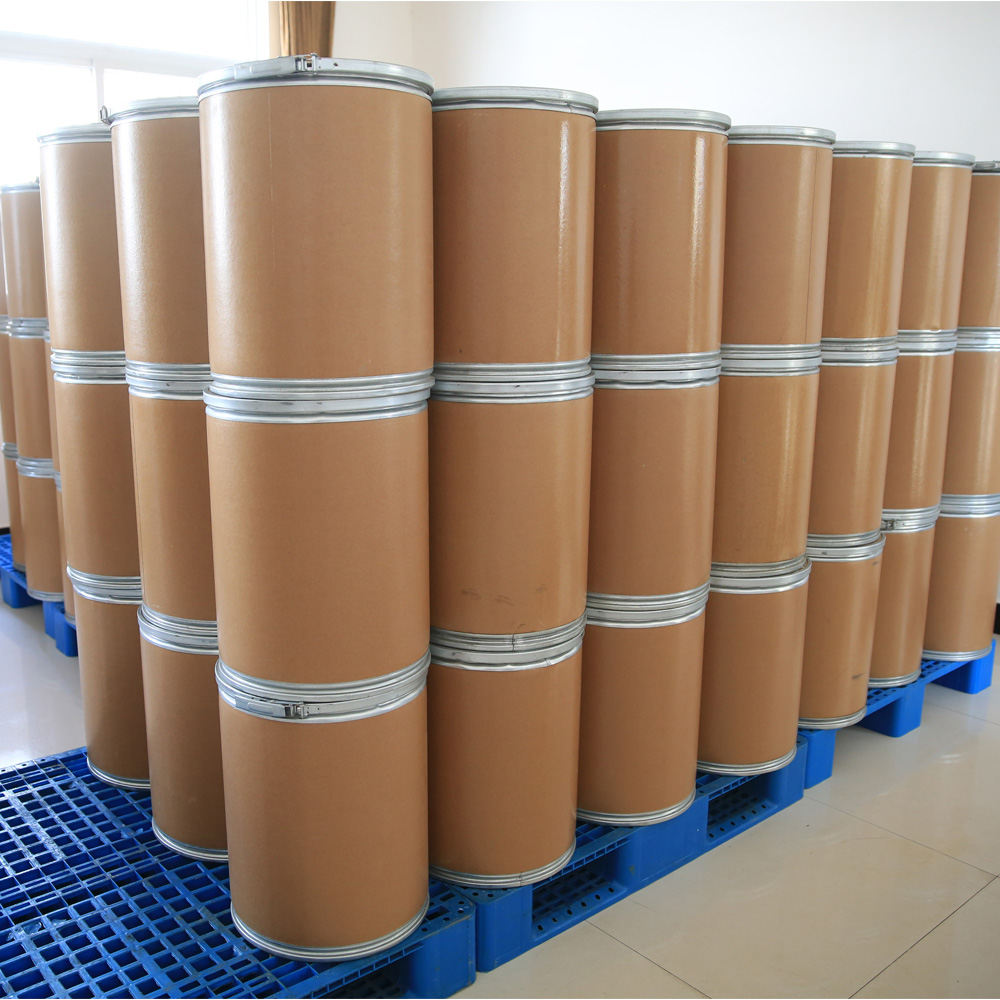
Packaging: Packaged in 25kg food-grade polyethylene bags with inner liners, or 1000kg jumbo bags for industrial bulk orders. All packaging is moisture-proof and compliant with FDA/FCC standards.


Market Significance and Future Outlook
With the growing demand for natural and safe ingredients in the food and pharmaceutical industries, citric acid remains a top-choice additive. Its biodegradable nature also aligns with global sustainability trends, driving increased adoption in eco-friendly cleaning products and green chemistry applications. Industry experts note that adherence to strict technical specifications will be key to maintaining product quality and meeting evolving regulatory requirements across regions.
For manufacturers and end-users alike, understanding the nuanced differences between anhydrous and monohydrate forms, as well as their technical parameters, is critical for optimizing application performance. As the global citric acid market continues to expand, investments in advanced fermentation technologies and quality control systems will further enhance product consistency and reliability.