
 Español
 Português
 Русский
 العربية
 한국어
한국어
 日本語
日本語
 Français
 Deutsch
 ภาษาไทย

Citric Acid:Detailed Application Scenarios
2025/12/17 09:01
Citric Acid: A Versatile Player Across Food, Industry and Pharmaceutical Sectors
By [News Correspondent] | [Date]
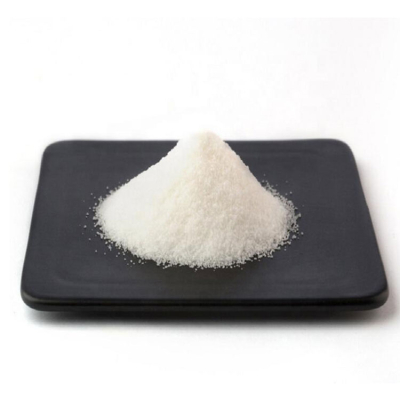
Citric acid, a colorless, odorless and highly soluble organic acid, has emerged as a cornerstone ingredient across multiple industries worldwide, thanks to its exceptional properties as an acidity regulator, chelating agent and preservative. From the beverages we drink to the medical devices used in hospitals, this multifunctional compound plays an indispensable role in modern production chains.
Food Industry: The Backbone of Flavor and Safety
As the most widely applied sector for citric acid, the food industry benefits greatly from its safety and versatility. Certified as "Generally Recognized as Safe (GRAS)" by both the Food and Agriculture Organization (FAO) and World Health Organization (WHO) through their Joint Expert Committee on Food Additives (JECFA), it has become a staple in food processing.
In beverage production, citric acid serves as the core sourness regulator in carbonated drinks, fruit juices, tea beverages and sports drinks. It not only delivers a refreshing tartness that balances sweeteners but also reacts with sodium bicarbonate to generate carbon dioxide, enhancing the fizz in carbonated products. For fruit juices, it revives the natural sourness of fruits while masking undesirable astringency.
Its applications extend to confectionery and baking, where it acts as an acid component in leavening agents to produce fluffy bread and cakes by releasing carbon dioxide. In candies, it improves texture by preventing sugar crystallization and extends shelf life. The dairy industry relies on it to adjust acidity during yogurt and cheese fermentation, promoting protein coagulation and preventing fat separation in milk drinks.
Industrial Sector: Driving Green and Efficient Production
The global demand for citric acid in industrial applications has been on a steady rise, particularly in metal cleaning and surface treatment. Unlike harsh inorganic acids such as hydrochloric acid, citric acid exhibits low corrosiveness while effectively dissolving scale composed of calcium carbonate and magnesium hydroxide. This makes it ideal for cleaning boilers, heat exchangers and electronic components, where it removes oxides without damaging delicate surfaces or leaving harmful residues.
Environmental friendliness is another key advantage driving its industrial adoption. As a biodegradable compound, it meets stringent environmental regulations in Europe and North America, gradually replacing traditional toxic cleaners. In textile manufacturing, it adjusts the pH of dye baths to improve dye uptake and uniformity, especially for acid dyes, while its chelating properties prevent color spots caused by metal ions in water.
In water treatment, citric acid functions as a stabilizer by chelating calcium and magnesium ions, preventing scale formation and reducing pipeline corrosion. The plastic and rubber industry uses it as a raw material for eco-friendly citrate plasticizers, which are widely applied in food packaging and children's toys due to their non-toxic nature.
Pharmaceutical Field: Enhancing Efficacy and Safety
Recent pharmaceutical research highlights citric acid's multifunctional role as an excipient, thanks to its biocompatibility and chemical versatility. It is commonly used to adjust the pH of injectables, oral medications and topical preparations, ensuring drug stability and solubility. As a taste-masking agent, it significantly improves patient compliance, especially in pediatric oral solutions.
Citrate-based calcium supplements have gained popularity due to their superior solubility compared to calcium carbonate. These supplements are particularly suitable for the elderly and children with insufficient stomach acid secretion, as they require less gastric acid for absorption and cause minimal gastrointestinal irritation.
In medical device maintenance, citric acid serves dual purposes of disinfection and descaling. It effectively cleans dental instruments and surgical tools by removing stains and microorganisms while protecting the equipment from corrosion—a critical feature in healthcare settings where hygiene and device longevity are paramount.
Industry analysts predict continued growth in citric acid demand, driven by expanding food processing sectors in emerging markets and the global shift toward green industrial chemicals. With ongoing research into new applications, this humble organic acid is set to maintain its status as a versatile industrial workhorse.