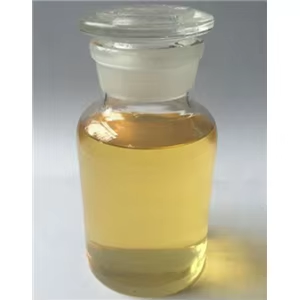
Dimethyl disulfide (DMDS) is a colorless to pale yellow oily liquid with a pungent odor, featuring excellent chemical reactivity, thermal stability and sulfur - carrying capacity. As a versatile sulfur - containing organic compound, it has penetrated into multiple key industrial sectors, including petroleum refining, chemical synthesis, agriculture and environmental protection. Its unique properties make it an irreplaceable raw material or auxiliary agent in related production processes, playing a vital role in improving production efficiency, reducing environmental pollution and enhancing product quality. DMDS is widely used as a sulfiding agent and corrosion inhibitor in the petroleum refining process. In the hydrotreating unit, it decomposes at high temperatures to release sulfur atoms, which react with the surface of metal catalysts to form a stable sulfide layer. This layer can effectively improve the activity and service life of catalysts, promoting the conversion of impurities such as sulfur, nitrogen and oxygen in crude oil. In addition, DMDS can also inhibit the corrosion of equipment by hydrogen sulfide and other acidic substances in the refining process, reducing the maintenance cost of equipment. In the field of fine chemical synthesis, DMDS serves as an important organic synthesis intermediate. It can participate in various reactions such as nucleophilic substitution, oxidation and reduction, and is used to produce a series of high - value - added products, including pharmaceuticals, dyes, flavors and fragrances. For example, in the pharmaceutical industry, DMDS is used to synthesize certain antibacterial and anti - inflammatory drugs; in the flavor and fragrance industry, it is an important raw material for preparing sulfur - containing flavor compounds with unique aromas. DMDS has broad application prospects in agriculture as a soil fumigant and pesticide intermediate. As a soil fumigant, it can effectively kill nematodes, fungi, bacteria and other harmful organisms in the soil, improving the soil environment and increasing crop yields. Meanwhile, it is also used to synthesize pesticides such as insecticides and fungicides, playing an important role in pest control and disease prevention in agriculture.



 Español
 Português
 Русский
 العربية
 한국어
한국어
 日本語
日本語
 Français
 Deutsch
 ภาษาไทย