As a critical aromatic dihydroxy compound,
hydroquinone (also known as
benzene-1,4-diol or quinol) plays an indispensable role in the global fine chemical industry. With its unique chemical properties and versatile applications, it has become a cornerstone material in fields ranging from photography and cosmetics to pharmaceuticals and polymer manufacturing. This report provides an in-depth analysis of hydroquinone's fundamental characteristics, detailed
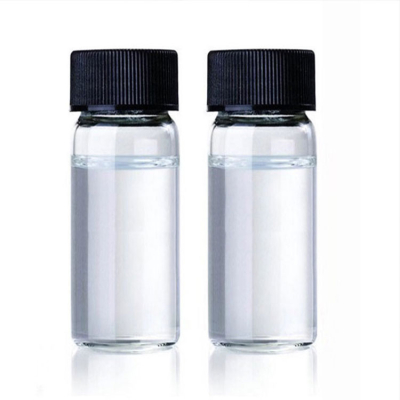
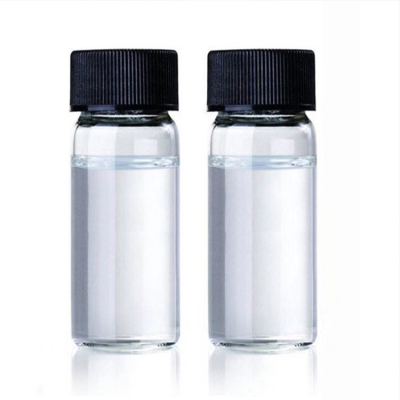
technical parameters, specification standards, industrial applications, and market trends, accompanied by product and packaging images for intuitive understanding.
1. Fundamental Properties and Chemical Characteristics
Hydroquinone, with the chemical formula C₆H₆O₂ and a molecular weight of 110.11 g/mol, is a symmetric organic compound formed by substituting two para-hydrogens of benzene with hydroxyl groups. Under standard temperature and pressure (25℃, 100 kPa), it presents as white needle-like crystals or
crystalline powder, which is one of its most distinctive physical identifiers. A key chemical property of hydroquinone is its strong reducibility; it is highly sensitive to light and air, easily oxidizing to form brownish p-benzoquinone when exposed to sunlight or oxygen, which necessitates strict light-proof storage conditions.
In terms of solubility, hydroquinone is slightly soluble in cold water (5.9 g/100 mL at 15℃) but readily dissolves in hot water,
ethanol, ether, acetone, and most other organic solvents. Its aqueous
solution exhibits weak acidity, with a pKa value of approximately 9.9 at 25℃, indicating the weak dissociative capacity of its hydroxyl groups. From a structural perspective, the para-position distribution of its two hydroxyl groups endows it with excellent electron-donating properties and high reaction activity, particularly in redox reactions, laying the foundation for its wide industrial applicability.
It should be noted that hydroquinone is classified as a hazardous substance. The World Health Organization's International Agency for Research on Cancer (IARC) lists it in Group 3 (substances not classifiable as to their carcinogenicity to humans), while the European Union's cosmetic regulation (EC No 1223/2009) strictly limits its concentration in leave-on cosmetics to no more than 0.3% with mandatory warning labels. These regulatory requirements reflect the need for careful handling and controlled use of hydroquinone in industrial and commercial scenarios.
2. Detailed Technical Parameters and Specification Standards
Hydroquinone's technical parameters are strictly regulated by international and industry standards to ensure its performance in different application scenarios. The most authoritative standard includes
ISO 423:1994 (Photography — Processing chemicals — Specifications for hydroquinone), which specifies strict requirements for the purity, impurity content, and packaging of hydroquinone used in the photography industry. Meanwhile, industrial-grade hydroquinone also adheres to unified specification standards to meet the needs of diverse downstream industries. The following table summarizes the core technical parameters of industrial-grade and photo-grade hydroquinone:
Parameter | Industrial Grade | Photo Grade (ISO 423:1994) |
|---|
CAS No. | 123-31-9 | 123-31-9 |
EINECS No. | 204-617-8 | 204-617-8 |
Purity | ≥99.0% (Typically 99.5%) | ≥99.5% |
Melting Point | 172-175°C | 173-175°C (Tolerance: ±1°C) |
Boiling Point | 285-287°C (Decomposes under normal pressure) | 286-287°C |
Density (20°C) | 1.328-1.332 g/cm³ | 1.330±0.002 g/cm³ |
Flash Point | 165°C (Closed cup) | ≥165°C |
Water Solubility (20°C) | ≈70 g/L | ≥68 g/L |
Auto-Ignition Temperature | 515-516°C | 515-516°C |
| ≤0.5% | ≤0.1% |
HS Code | 2907.2200 | 2907.2200 |
In addition to the above parameters, the storage and transportation conditions of hydroquinone are also clearly specified. It should be stored in a cool, dry, and well-ventilated environment below 30°C, sealed tightly and protected from light. During transportation, it must be handled as a hazardous substance in accordance with relevant national regulations (UN number: 2662, Class 6.1) to avoid mixing with oxidants and strong acids.
3. Packaging Specifications and Transportation Details
Hydroquinone's packaging is designed to ensure product stability during storage and transportation while meeting international logistics requirements. Common packaging forms vary by product grade and order quantity, with the following mainstream specifications:
Industrial Bulk Packaging: 25 kg net weight per kraft paper composite bag with double inner polyethylene liners, which effectively prevents moisture absorption and oxidation. These bags are usually stacked on pallets for container shipping, suitable for large-scale industrial purchases.
Laboratory/Small-Batch Packaging: 100 g, 500 g, or 1 kg per high-density polyethylene (HDPE) bottle, with sealed caps and light-proof labels, suitable for laboratory research and small-scale production use.
Customized Packaging: For special export orders, 20 kg or 50 kg drums or woven bags can be provided according to customer requirements, with corresponding UN dangerous goods packaging certification to ensure compliance with the import regulations of target countries.
Regarding transportation methods, hydroquinone can be shipped by sea, air, or international courier (FedEx, DHL, UPS, etc.), depending on the urgency and quantity of the order. For air and courier shipments, additional hazardous goods declaration documents are required to meet the safety inspection requirements of transportation companies and customs.
4. Core Applications and Industrial Value
Hydroquinone's strong reducibility and reaction activity make it widely used in multiple industrial fields. Its application scenarios are constantly expanding with technological advancements, and the downstream demand structure is also evolving dynamically.
4.1 Photography Industry
As a core component of black-and-white photographic developers, hydroquinone reduces silver halides on film or photographic paper to metallic silver, forming clear images. Although the traditional photographic market has shrunk due to digital technology substitution, it still maintains stable demand in professional photography, medical X-ray imaging, and special printing fields. ISO 423:1994 specifically regulates the quality of hydroquinone for photography to ensure image clarity and stability.
4.2 Polymer Industry
Hydroquinone and its derivatives (such as methoxyphenol, MEHQ) are efficient polymerization inhibitors and antioxidants. They are widely added to acrylic acid, methacrylate, and other monomers at a concentration of approximately 200 ppm to prevent premature polymerization during storage and transportation, extending the shelf life of monomers. In the rubber industry, they are used as antioxidants to prevent oxidative degradation and cross-linking of rubber products during processing and use.
4.3 Cosmetics and Pharmaceutical Fields
In cosmetics, hydroquinone effectively inhibits tyrosinase activity, blocking melanin synthesis, and is thus used in skin-lightening and spot-removing products. However, due to potential skin irritation risks, its use is strictly regulated globally. In the pharmaceutical industry, it is an important intermediate for synthesizing
anthraquinone dyes, azo dyes, and anti-tumor drugs, and its high-purity grade (pharmaceutical grade) requires impurity content below 0.1%.
4.4 Other Emerging Applications
In the water treatment field, hydroquinone is added to closed heating and cooling systems as a
corrosion inhibitor and deoxidizer to remove residual dissolved oxygen and protect metal pipelines. In the electronic chemical industry, high-purity hydroquinone is used in the preparation of photoresists and electronic cleaning agents, with increasingly broad market prospects as the electronics industry develops.
5. Global Market Trends and Industry Outlook
Currently, global hydroquinone production capacity is mainly concentrated in China, the United States, Germany, and Japan. China, relying on complete industrial chain supporting facilities and cost advantages, has become the world's largest producer and consumer, with total production capacity exceeding 150,000 tons per year by 2025 and a capacity utilization rate of approximately 80%. Major domestic manufacturers include Zhejiang Longsheng, Jiangsu Qiangsheng, and Shandong Weifang Runfeng, with a regional distribution characterized by "eastern coastal agglomeration and gradual expansion to central and western regions."
From the perspective of market demand, the traditional photographic materials sector is declining at an annual rate of about 3.
2%, while the cosmetics and pharmaceutical intermediates sectors have become new growth drivers. Benefiting from the increasing consumer demand for whitening ingredients and the acceleration of innovative drug research and development, the consumption ratio of hydroquinone in these sectors reached 42% in 2025 and is expected to maintain an annual growth rate of over 6% from 2026 to 2030.
In terms of technology, the traditional phenol hydroxylation process is still mainstream but has problems such as many by-products and low yield (about 75%-80%). Emerging green synthesis routes such as electrochemical oxidation, biocatalysis, and continuous flow microreaction technology are accelerating industrialization, with some demonstration projects achieving yields above 90% and reducing three wastes emissions by 30%-50%. Looking ahead, the global hydroquinone industry will enter a stage of structural adjustment and high-quality development, with high-end electronic and pharmaceutical grade products accounting for an increasing proportion.
6. Safety Operation and Environmental Protection Requirements
When operating hydroquinone, operators must wear appropriate protective equipment, including chemical-resistant gloves, goggles, and protective clothing, to avoid direct skin and eye contact. In case of contact, the affected area should be rinsed with plenty of water immediately. Good ventilation must be ensured in the operation area to prevent the accumulation of dust or vapor. In terms of environmental protection, waste water containing hydroquinone must undergo advanced treatment processes such as advanced oxidation or activated carbon adsorption to meet discharge standards before being discharged, to avoid environmental pollution.
In conclusion, hydroquinone, as a key fine chemical intermediate, plays an irreplaceable role in global industrial production. Its technical parameters and packaging specifications are closely linked to product quality and application effects, while market trends are driven by technological innovation and downstream demand changes. With the deepening of green chemical concepts and the strengthening of global regulatory supervision, the hydroquinone industry will move towards a more efficient, environmentally friendly, and high-value development direction.


 Español
 Português
 Русский
 العربية
 한국어
한국어
 日本語
日本語
 Français
 Deutsch
 ภาษาไทย