
 Español
 Português
 Русский
 العربية
 한국어
한국어
 日本語
日本語
 Français
 Deutsch
 ภาษาไทย

Glycerol Specifications and Applications
1. Basic Information
IUPAC Name: Propane-1,2,3-triol
Chemical Formula: C₃H₈O₃
CAS No.: 56-81-5
EINECS No.: 200-289-5
UN Number: Non-hazardous for transport
2. Product Grades & Specifications
Glycerol is commercially available in three primary grades, differentiated by purity and intended use.
| Grade | Minimum Purity | Key Applications |
|---|---|---|
| Pharmaceutical (USP/EP) | 99.5% | Drugs, injections, vaccines, premium cosmetics, oral care. |
| Food (FCC) | 99.0% | Humectant in food, bakery & confectionery, beverages, tobacco. |
| Technical / Industrial | 95.0% | Chemical intermediate (e.g., epichlorohydrin), alkyd resins, antifreeze, explosives. |
3. Detailed Technical Parameters
A. Physical Properties
| Property | Specification / Value | Test Method |
|---|---|---|
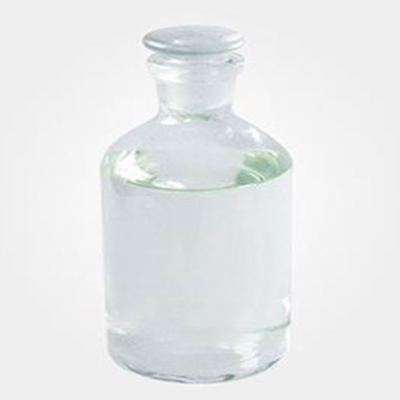
| Appearance | Clear, colorless, syrupy liquid. Odorless. | Visual |
| Density (20°C) | 1.261 g/cm³ | ASTM D4052 |
| Viscosity (20°C) | ~1410 mPa·s (cP) | ASTM D445 |
| Boiling Point | 290 °C (decomposes) | - |
| Melting Point | 17.8 °C | - |
| Flash Point (PMCC) | 160 °C | ASTM D93 |
| Refractive Index (nD²⁰) | 1.474 | ASTM D1218 |
| Specific Heat | 2.4 J/g·°C | - |
| Hygroscopicity | High. Miscible with water and alcohols. | - |
B. Chemical Properties & Purity Specifications (USP Grade Example)
| Parameter | Specification Limit | Test Method |
|---|---|---|
| Assay (GC) | 98.0% - 101.0% | USP <345> |
| Water Content | ≤ 0.5% w/w | Karl Fischer (USP <921>) |
| Color (APHA) | ≤ 10 | Platinum-Cobalt Scale (ASTM D1209) |
| Chloride (Cl) | ≤ 10 ppm | Limit Test (USP) |
| Sulfate (SO₄) | ≤ 20 ppm | Limit Test (USP) |
| Heavy Metals (as Pb) | ≤ 5 ppm | USP <231> |
| Arsenic (As) | ≤ 1 ppm | USP <211> |
| Residue on Ignition | ≤ 0.01% | USP <281> |
| Fatty Acids & Esters | Passes test (≤ 0.1%) | USP |
| Reducing Substances | Passes test | USP (KMnO₄) |
| Acidity/Alkalinity | Neutral | pH Test |
4. Stability & Storage
Shelf Life: 24 months in original, unopened containers under recommended conditions.
Storage Temperature: Store at ambient temperature (ideally > 15°C to prevent crystallization).
Handling: Keep container tightly closed in a dry, well-ventilated place. Protect from moisture and light.
Incompatibilities: Strong oxidizing agents (e.g., potassium permanganate, chromium trioxide) - risk of violent reaction.
5. Packaging
Bulk: ISO Tank (20-24 MT)
Intermediate Bulk Container (IBC): 1000 kg
Drums: 250 kg HDPE or stainless steel
Small Units: 25 kg / 50 kg HDPE drums or jerricans
6. Health, Safety & Environment (HSE)
Regulatory Status: Generally recognized as safe (GRAS) for food use. Non-hazardous per GHS for transport.
Toxicity (Oral, Rat): LD₅₀ > 2000 mg/kg (Practically non-toxic).
Skin/Eye Irritation: May cause mild irritation at high concentrations. Low irritation potential as used.
Environmental Impact: Readily biodegradable (OECD 301). Low bioaccumulation potential.
First Aid: In case of contact, rinse thoroughly with water.
7. Key Applications & Functional Properties
Pharmaceuticals & Cosmetics:
Function: Humectant, solvent, emollient, plasticizer.
Use: Syrups, suppositories, creams, lotions, toothpaste.
Grade Required: USP/EP Kosher, Halal (if applicable).
Food & Beverage:
Function: Humectant, solvent, sweetener, texture enhancer.
Use: Baked goods, confectionery, liqueurs, softening agent for tobacco.
Grade Required: FCC, Kosher, Halal.
Industrial Chemicals:
Function: Building block for chemical synthesis.
Use: Production of epichlorohydrin (for epoxy resins), propylene glycol, polyglycerols, alkyd resins for paints, explosives (nitroglycerin).
Grade Required: Technical grade.
8. Quality Documentation
A complete shipment should be accompanied by:
Certificate of Analysis (COA) - Batch specific.
Material Safety Data Sheet (MSDS/SDS) - Latest revision.
Certificate of Origin
Food/Pharma Compliance Certificates (as applicable: GMP, FCC, USP, EP, Kosher, Halal, Non-GMO).