
 Español
 Português
 Русский
 العربية
 한국어
한국어
 日本語
日本語
 Français
 Deutsch
 ภาษาไทย

Hydroquinone: Versatile Applications Drive Global Market Growth Amid New Production Milestones
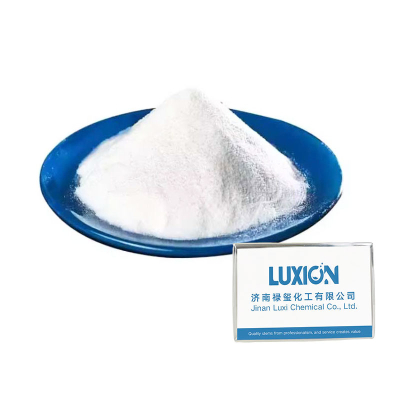
Chemically defined as a benzene derivative with two hydroxyl groups substituted at the para positions, hydroquinone (CAS: 123-31-9) appears as white crystalline powder, soluble in hot water, ethanol, and ether, and slightly soluble in benzene. Its unique chemical properties—including strong reducing capacity and antioxidant characteristics—make it a versatile building block in numerous synthesis processes. The global hydroquinone market reached $560 million in 2024 and is projected to grow at a CAGR of 2.8% from 2025 to 2030, exceeding $630 million by the end of the decade.
The agrochemical sector stands out as a primary driver of demand, particularly in agricultural powerhouses like Germany. As one of Europe’s leading agricultural producers, Germany consumed 48,169.07 tons of pesticides in 2022, ranking second in Europe and 14th globally, according to FAO data. Hydroquinone plays a pivotal role here as a key intermediate in the synthesis of herbicides such as lactofen and fenoxaprop-p-ethyl, which are essential for modern crop protection and yield enhancement. It also functions as a plant growth regulator and soil amendment, helping to improve crop quality and resistance to environmental stressors. “The consistent growth of Germany’s agricultural sector directly translates to rising demand for hydroquinone-based agrochemicals,” noted an industry analyst at New Thought Industry Research Center. “Given Germany’s reliance on imports to meet domestic needs, suppliers from countries like China have significant market opportunities.”
China has emerged as a major global exporter of hydroquinone, with shipments reaching 3,605.82 tons in 2022, valued at $35.14 million. Germany, along with India, Poland, Russia, and Côte d’Ivoire, accounts for over 71% of China’s hydroquinone export value. This export dynamic is further reinforced by the recent production milestone in India: Clean Science’s subsidiary, Clean Fino-Chem Ltd., commenced commercial production of hydroquinone and catechol on December 18, 2025. The move is expected to boost import substitution in India, strengthen the company’s performance chemicals portfolio, and create cross-selling opportunities with existing customers of methylhydroquinone (MEHQ), a related compound used as a polymerization inhibitor.
Beyond agriculture, the dyes and pigments industry is another core application area for hydroquinone. It serves as a critical intermediate in the production of anthraquinone and azo dyes, which are widely used in textiles, printing, and coatings for their vibrant color stability. Historically, hydroquinone has been a key component in black-and-white photographic developers, facilitating image formation through its reducing properties. While digital photography has reduced demand in this segment, it remains essential for specialized applications such as lithography and radiography.
The rubber and polymer industries leverage hydroquinone’s antioxidant and stabilizing properties to prevent oxidative degradation. When incorporated into rubber formulations for tires, seals, and hoses, it extends product lifespan and enhances performance under extreme conditions. Additionally, hydroquinone acts as an effective polymerization inhibitor for monomers like styrene and acrylic acid, ensuring safe storage and transportation by preventing unwanted premature polymerization—typically used at concentrations around 200 ppm. In the fuel sector, it serves as an antioxidant in gasoline, protecting against degradation during storage and improving fuel stability.
In pharmaceuticals and personal care, hydroquinone’s applications are both specialized and tightly regulated. It has long been used as a depigmenting agent in topical formulations for treating hyperpigmentation conditions like melasma, though its use in cosmetics is restricted in many regions. The European Union, for example, prohibits hydroquinone in cosmetic products except for artificial nail preparations. As a pharmaceutical intermediate, it plays a role in the synthesis of certain active pharmaceutical ingredients (APIs), where its high purity is critical for ensuring drug efficacy and safety.
Other industrial applications of hydroquinone include water treatment, where it acts as a corrosion inhibitor in closed heating and cooling systems and as an oxygen scavenger in boiler feedwater to prevent metal degradation. It is also used in analytical chemistry for the photometric determination of elements such as phosphorus, magnesium, niobium, and copper, and as a reducing agent in polarographic and volumetric analysis of iridium.
Despite its widespread utility, hydroquinone’s handling requires strict safety protocols due to its toxic properties. Classified as a Category 3 carcinogen by the WHO’s International Agency for Research on Cancer (IARC), it can cause skin and eye irritation, and acute ingestion may lead to severe health effects including liver damage, vomiting, and even death. Regulatory frameworks worldwide, such as China’s Hazardous Chemicals Safety Management Regulations and the EU’s REACH directive, impose strict requirements on its production, storage, transportation, and disposal. Manufacturers are increasingly investing in safe production technologies and compliance measures to meet global standards.
Looking ahead, the global hydroquinone market is poised for sustained growth, driven by expanding agricultural activities, rising demand for high-performance polymers, and ongoing advancements in pharmaceutical synthesis. The new production capacity in India, combined with China’s established export dominance, is expected to enhance supply chain stability and support downstream industry growth. “Hydroquinone’s versatility across critical sectors ensures its relevance in the global chemical landscape,” said a spokesperson for Ningbo Inno Pharmchem Co., Ltd., a leading hydroquinone manufacturer. “As industries prioritize sustainability and regulatory compliance, innovations in production processes and application technologies will further unlock its potential.”