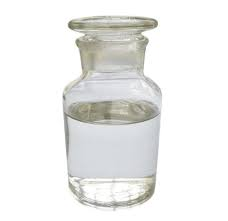
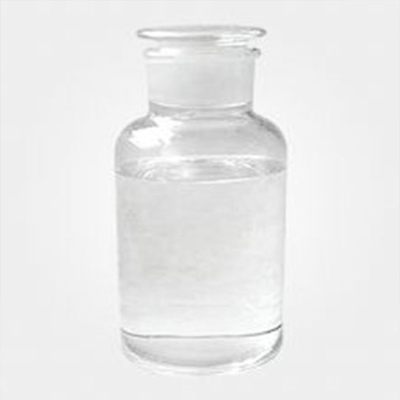
Long-tail Keywords Covered: propylene glycol technical parameters and specifications, food-grade vs industrial-grade propylene glycol differences, propylene glycol physical and chemical properties, propylene glycol quality standards and application requirements Propylene glycol, chemically known as 1,2-propanediol, is a colorless, odorless, viscous liquid with excellent solubility and hygroscopicity. As a versatile organic compound, it plays a pivotal role in multiple industries including food and beverage, pharmaceuticals, cosmetics, and industrial manufacturing. Its unique properties—such as low toxicity, high boiling point, and compatibility with water and most organic solvents—make it an ideal choice for humectants, solvents, antifreeze agents, and plasticizers. This article provides a detailed overview of propylene glycol’s core characteristics, standardized technical parameters, and industry-specific specifications, aiming to serve as a practical guide for professionals in material selection, quality control, and application development. Propylene glycol exhibits stable physical traits under normal conditions, which lay the foundation for its diverse applications. It is a clear, syrupy liquid with a slightly sweet taste, non-irritating to the skin in appropriate concentrations. Key physical attributes include a melting point of -59°C, boiling point of 188.2°C, and density of 1.036 g/cm³ at 20°C. Its high viscosity (60.5 mPa·s at 20°C) and strong hygroscopicity enable it to retain moisture effectively, while its low vapor pressure reduces volatilization during processing.
Chemically, propylene glycol is a diol with two hydroxyl groups, granting it reactivity typical of alcohols. It undergoes esterification with carbox
ylic acids to form propylene glycol esters, widely used as emulsifiers in food. It is also resistant to oxidation under normal temperatures, with good thermal stability—decomposition occurs only when heated above 200°C, producing harmless byproducts such as propionaldehyde and acetic acid. Importantly, it is non-corrosive to most metals and compatible with plastics, rubber, and other materials, making it safe for use in various equipment and packaging.
Technical parameters are critical for evaluating propylene glycol’s quality and suitability for specific applications. The following table lists the standardized parameters for food-grade and industrial-grade propylene glycol, in line with international standards such as USP (United States Pharmacopeia), EP (European Pharmacopoeia), and GB (Chinese National Standards). 


 Español
 Português
 Русский
 العربية
 한국어
한국어
 日本語
日本語
 Français
 Deutsch
 ภาษาไทย