
 Español
 Português
 Русский
 العربية
 한국어
한국어
 日本語
日本語
 Français
 Deutsch
 ภาษาไทย

A list of main applications for dimethyl disulfide
2025/12/19 15:38
Dimethyl Disulfide (DMDS) Application Scenarios
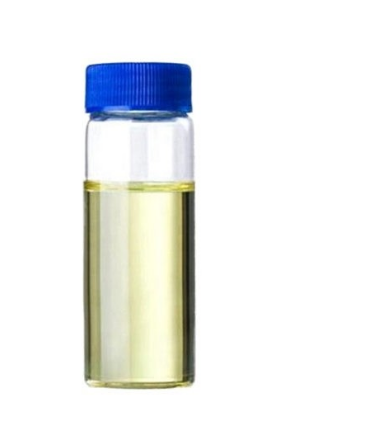
Dimethyl Disulfide (DMDS), a colorless to pale yellow liquid with a characteristic garlic-like odor, is a versatile sulfur-containing compound widely utilized across multiple industrial sectors. Its unique chemical properties, such as high sulfur content, excellent reactivity, and relatively low toxicity compared to other sulfur compounds, make it an indispensable material in fields ranging from petrochemical processing to agriculture and food production. This document elaborates on the key application scenarios of DMDS, highlighting its functional roles and advantages in different industrial chains, along with relevant long-tail keywords to provide comprehensive insights for industry professionals and potential users.
1. Petrochemical Industry: Catalyst Activation and Desulfurization Auxiliary
The petrochemical industry is one of the largest consumption areas of DMDS, primarily leveraging its high sulfur content for catalyst activation and desulfurization processes. In the production of ethylene, propylene, and other olefins via steam cracking of hydrocarbons, DMDS is commonly used as a sulfur donor to activate metal oxide catalysts (such as nickel oxide, molybdenum oxide). The sulfur in DMDS reacts with the metal oxides to form active metal sulfide catalysts, which significantly enhance the cracking efficiency and selectivity of the reaction, reducing the formation of by-products. Additionally, DMDS serves as an auxiliary agent in the hydrodesulfurization (HDS) process of gasoline, diesel, and other fuels. It can adjust the sulfur content in the reaction system, improve the activity of HDS catalysts, and help achieve deep desulfurization of fuels to meet strict environmental emission standards (such as Euro VI and EPA Tier 3). Relevant long-tail keywords: DMDS for steam cracking catalyst activation, dimethyl disulfide in fuel hydrodesulfurization, DMDS as sulfur donor in petrochemical processing.
2. Agriculture: Soil Fumigant and Nematicide
In agriculture, DMDS is an effective soil fumigant and nematicide, widely used to control soil-borne pests, nematodes, weeds, and pathogenic fungi. Compared to traditional fumigants like methyl bromide (which is gradually phased out due to its ozone-depleting properties), DMDS is more environmentally friendly and has a shorter residual period in soil. It is particularly suitable for greenhouse cultivation, cash crop planting (such as strawberries, tomatoes, cucumbers, and ginseng), and orchards. When applied to the soil, DMDS volatilizes to form toxic gases that penetrate the soil pores, killing target pests and pathogens, thereby improving soil health and increasing crop yield and quality. Moreover, DMDS can be used in combination with other fumigants (such as chloropicrin) to enhance fumigation efficacy. Relevant long-tail keywords: DMDS soil fumigant for greenhouse crops, dimethyl disulfide nematicide for strawberry planting, environmentally friendly DMDS for orchard soil disinfection.
3. Food Industry: Flavoring Agent and Food Additive
DMDS is approved as a food additive (flavoring agent) by international food safety authorities such as the FDA and EFSA, owing to its strong garlic-like flavor. It is widely used in the production of various food products to enhance or simulate the flavor of garlic, onions, and other allium vegetables. Common applications include processed meat products (sausages, ham, bacon), condiments (soy sauce, vinegar, chili sauce), convenience foods (instant noodles, frozen dinners), and beverages. The addition amount of DMDS in food is strictly controlled (usually at the ppm level) to ensure food safety while achieving the desired flavor effect. Additionally, DMDS can be used as a flavoring agent in feed to improve the palatability of animal feed. Relevant long-tail keywords: DMDS food flavoring agent for processed meat, dimethyl disulfide as garlic flavor additive, FDA-approved DMDS in condiment production.
4. Other Industrial Applications
Apart from the above major fields, DMDS also finds applications in other industrial sectors: 1) Rubber Industry: As a vulcanization accelerator or modifier, DMDS can improve the vulcanization speed and cross-linking density of rubber, enhancing the mechanical properties (tensile strength, wear resistance) of rubber products. 2) Pharmaceutical Industry: Used as an intermediate in the synthesis of certain pharmaceuticals, such as sulfur-containing drugs for treating bacterial infections. 3) Odorant: Due to its strong and distinctive odor, DMDS is added to natural gas, liquefied petroleum gas (LPG), and other fuel gases in trace amounts to serve as an odorant, facilitating the detection of gas leaks and ensuring usage safety. Relevant long-tail keywords: DMDS as rubber vulcanization accelerator, dimethyl disulfide pharmaceutical intermediate, DMDS odorant for natural gas leakage detection.