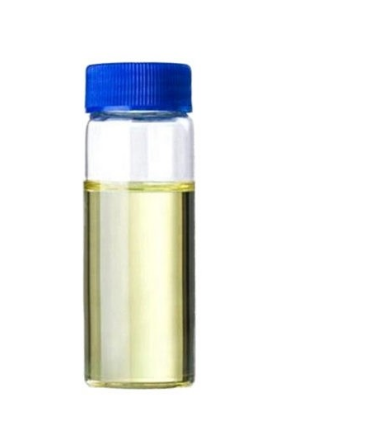
Dimethyl disulfide: Industry Status and Capacity Development Report

2025/12/19 15:53

Dimethyl Disulfide (DMDS) Industry Status 2025: Production Capacity, Market Dynamics and Future Trends

Opening Paragraph

Dimethyl Disulfide (DMDS) has emerged as a critical organosulfur compound, playing indispensable roles in petroleum refining, pesticide synthesis, rubber processing, and other chemical applications . As a key pre-vulcanizing agent for hydrocracking catalysts, its market demand maintains steady growth driven by global industrial development . In 2024, the global DMDS market size reached approximately $747 million to $780 million, with a projected compound annual growth rate (CAGR) of 6.6% to 7.2% from 2025 to 2031, expected to hit $1.2 billion by the end of the forecast period . The industry's development is characterized by concentrated production capacity, regional market differentiation, and increasing emphasis on environmental compliance, while technological innovation and application expansion continue to reshape its competitive landscape.

Global Production Capacity Distribution and Regional Patterns

  • Asia Pacific dominates the global DMDS market with a 39% share, followed by North America (26%) and Europe (25%), forming the three core regional markets .

  • China, as the key growth engine in Asia Pacific, boasts major manufacturers including Xinjiang Jinshenghui Chemical, Xinjiang Hengyilun Chemical, and Henan Junhe New Materials, contributing significantly to global supply .

  • Global production capacity is highly concentrated, with the top five manufacturers such as Arkema, Chevron Phillips Chemical, and leading Chinese enterprises accounting for approximately 55% of the total market share .

Product Segmentation by Purity and Capacity Allocation

  • Low-purity DMDS (below 99.6%) remains the dominant product type, capturing 59% of the market share and driving most of the industry's production capacity .

  • High-purity DMDS (above 99.6%) is gaining traction in high-end applications, prompting manufacturers to invest in capacity expansion and technological upgrading to meet quality-sensitive demand .

  • Capacity utilization rates are closely tied to downstream demand fluctuations, with petroleum and pesticide sectors accounting for the largest consumption, particularly the pesticide industry which holds a 38% downstream share .

Industry Status Quo: Drivers, Challenges and Competitive Dynamics

  • Core growth drivers include rising demand for petroleum refining catalysts, expanding pesticide production, and technological advancements in DMDS synthesis processes .

  • Environmental regulations pose significant challenges, as DMDS's toxicity and volatility require stricter emission controls, pushing enterprises to adopt cleaner production technologies and waste recovery systems .

  • The competitive landscape features intense rivalry among global chemical giants and regional leaders, with strategies focusing on capacity optimization, cost control, and localized supply chain building .

  • 926447def656fad6dcd50df8d6b2c8f5.png


Related Products

x