
 Español
 Português
 Русский
 العربية
 한국어
한국어
 日本語
日本語
 Français
 Deutsch
 ภาษาไทย

Calcium Chloride Market Guide: How Buyers Can Navigate Content Levels and Applications for Optimal Selection
2025/12/19 13:55
Calcium chloride has become an indispensable chemical across industries, from winter road maintenance to food processing, but selecting the right product requires understanding key differences in purity levels, physical forms, and grade specifications. Industry experts note that calcium chloride primarily comes in two content grades: anhydrous at 94-98% purity and dihydrate at approximately 74% purity, each serving distinct purposes based on moisture content and chemical properties. With applications ranging from de-icing to concrete acceleration, buyers must match specific content levels to their operational needs to ensure both cost-effectiveness and performance.
Understanding Content Classifications and Core Differences
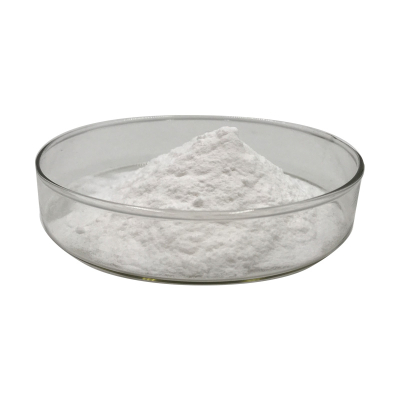
The fundamental distinction lies in molecular composition. Anhydrous calcium chloride contains minimal moisture (0-3% external water), delivering 94% or higher active CaCl₂ content in powder, pellet, or ball forms. Dihydrate variants, where each CaCl₂ molecule bonds with two water molecules, offer about 74% active content and typically appear as flakes, granules, or spheres. This moisture differential directly impacts performance—anhydrous forms provide stronger hygroscopic action for demanding drying applications, while dihydrate offers economical solutions for large-volume uses like road treatment.
Industrial Applications: Aligning Purity with Performance
For heavy-duty industrial uses, content selection becomes critical. Anhydrous 94% calcium chloride serves as the preferred desiccant for drying nitrogen, oxygen, and hydrogen gases in manufacturing processes. Its superior moisture absorption also makes it ideal for dust suppression on mining haul roads and as a dehydrating agent in petroleum drilling operations. Conversely, the 74% dihydrate grade performs efficiently as a freeze-conditioning agent, lowering solution freezing points to -20°C to -30°C for winter de-icing and concrete anti-freeze protection. Food-grade applications demand even higher standards, with 99% purity calcium chloride approved as a safe additive (E509) for calcium fortification and vegetable canning firming.
Physical Forms and Handling Considerations
Crystal structure significantly influences application methods. Powdered anhydrous calcium chloride dissolves rapidly for liquid brine solutions but requires careful storage to prevent moisture absorption. Flaked dihydrate products provide slower dissolution rates beneficial for sustained-release applications like runway de-icing. Pellet and ball forms minimize dust during handling while offering controlled dissolution for industrial processes. Buyers should evaluate whether rapid action or extended performance better suits their operational timeline.
Smart Procurement: Cost-Benefit and Quality Metrics
Industry specialists recommend verifying technical specifications beyond basic content claims. Key quality indicators include magnesium/alkali metal chloride limits (≤3.5% for 94% grade), water insolubles (≤0.1%), and pH ranges (7-10 depending on form). While anhydrous grades command premium pricing, their higher active content often reduces overall usage rates in precision applications like pharmaceutical dehydration or electronic gas drying. For municipal snow removal or construction acceleration, the economical 74% dihydrate delivers sufficient performance at lower unit costs. Leading suppliers now offer sample testing programs, allowing buyers to validate specifications before bulk purchasing