
 Español
 Português
 Русский
 العربية
 한국어
한국어
 日本語
日本語
 Français
 Deutsch
 ภาษาไทย

Sodium Bicarbonate: The Versatile Compound Transforming Industries Through Innovative Applications
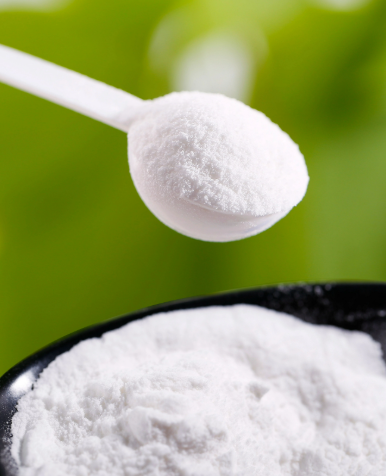
Sodium bicarbonate—commonly known as baking soda—has long been a household staple, but its influence extends far beyond the kitchen pantry. This naturally occurring inorganic compound, celebrated for its mild alkaline properties, low toxicity, and cost-effectiveness, is revolutionizing diverse industries through innovative applications. From industrial manufacturing to healthcare, environmental protection, and consumer goods, sodium bicarbonate has emerged as a critical ingredient driving efficiency, sustainability, and product performance. Recent market research highlights that the global demand for sodium bicarbonate is being propelled primarily by its expanding use cases, with application-specific segments growing at a combined CAGR of 5.8% through 2030. As industries seek greener, more versatile solutions, sodium bicarbonate’s unique chemical profile positions it as a go-to material for solving complex challenges across sectors.
Industrial Applications: Powering Efficiency and Sustainability
In the industrial sector, sodium bicarbonate has become indispensable for its ability to act as a neutralizer, abrasive, and flux agent, among other functions. One of its most impactful applications is in flue gas desulfurization (FGD), where granular sodium bicarbonate is injected into industrial exhaust streams to capture sulfur dioxide (SO₂) and other acid gases. Power plants, steel mills, and cement factories worldwide rely on this technology to comply with strict emission regulations, as sodium bicarbonate reacts with SO₂ to form harmless sodium sulfate, a byproduct that can be repurposed in fertilizers or construction materials. Unlike harsh chemical alternatives, sodium bicarbonate is non-corrosive, reducing equipment wear and maintenance costs— a key advantage that has led to its adoption by major industrial players such as ArcelorMittal and Duke Energy.
Another critical industrial use case is metal processing, where sodium bicarbonate serves as a flux in welding and soldering operations. It removes oxides from metal surfaces, ensuring stronger, more durable bonds while preventing oxidation during the heating process. Additionally, in aluminum production, sodium bicarbonate is used to purify molten metal, eliminating impurities that compromise structural integrity. The metal processing segment alone accounts for 18% of global industrial sodium bicarbonate consumption, with demand expected to rise as manufacturing activity expands in emerging economies.
Sodium bicarbonate also plays a vital role in water treatment, where it is used to adjust pH levels in municipal and industrial wastewater. By neutralizing acidic effluents, it prevents corrosion of pipelines and treatment equipment, while also facilitating the precipitation of heavy metals such as lead and mercury. Wastewater treatment plants in cities like Tokyo, New York, and Mumbai have integrated sodium bicarbonate into their processes, reducing environmental impact and ensuring compliance with water quality standards. The compound’s low environmental footprint— it is biodegradable and does not leave harmful residues— makes it a preferred choice for sustainable water management.
Food and Beverage: Enhancing Safety, Quality, and Texture
The food and beverage industry is the largest consumer of sodium bicarbonate, with applications ranging from leavening and preservation to pH regulation and flavor enhancement. As a leavening agent, sodium bicarbonate is a cornerstone of baked goods, reacting with acidic ingredients (such as vinegar, buttermilk, or citric acid) to release carbon dioxide gas. This process creates air pockets in dough and batter, resulting in light, fluffy bread, cakes, cookies, and pastries. Major food manufacturers like Nestlé, General Mills, and Unilever rely on food-grade sodium bicarbonate to ensure consistent texture and volume in their products, with global consumption in the baked goods segment exceeding 1.2 million metric tons annually.
Beyond leavening, sodium bicarbonate is used as a preservative in processed foods, extending shelf life by inhibiting the growth of bacteria and fungi. It is particularly effective in cured meats (such as bacon and sausage), pickled vegetables, and canned goods, where it maintains product freshness without altering flavor. In carbonated beverages, sodium bicarbonate acts as a buffering agent, balancing the acidity of carbonic acid and enhancing the drink’s crispness. It is also a key ingredient in sports drinks and oral rehydration solutions, helping to replenish electrolytes and maintain pH balance in the body.
The rise of plant-based and organic foods has further boosted demand for natural sodium bicarbonate, as consumers seek clean-label ingredients. Organic sodium bicarbonate— derived from trona ore or natural mineral deposits— is free from synthetic additives, making it ideal for organic baked goods